


 English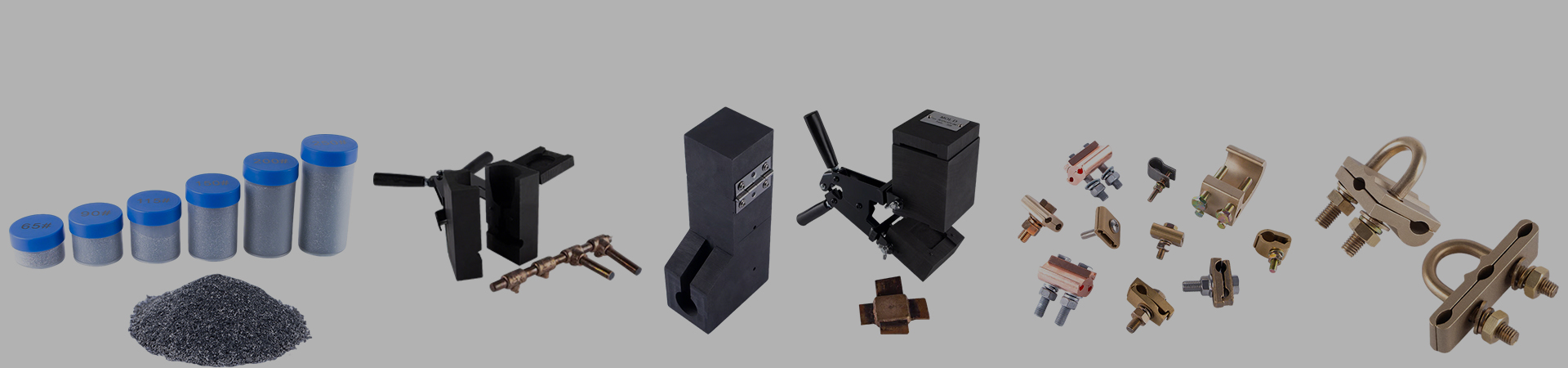
What Are the Main Functions of a Copper Grounding Conductor in a Grounding System?
Role of the Copper Grounding Conductor in Electrical Safety
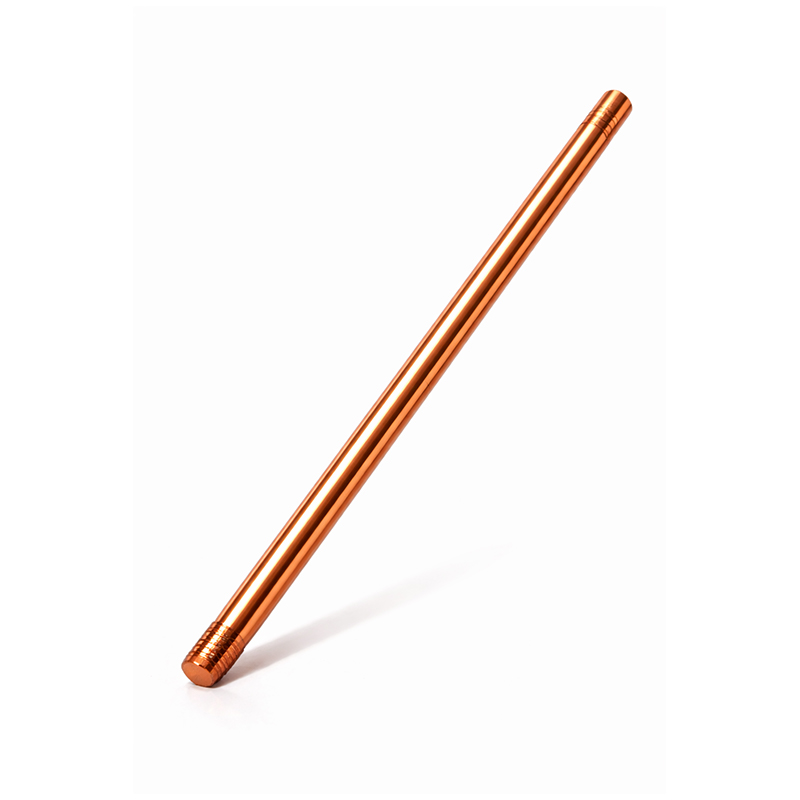
A copper grounding conductor serves as a core element in an electrical grounding system, providing a controlled path for electrical energy to move from equipment or structures into the earth. Its primary role is to manage unintended electrical currents caused by faults, insulation failure, lightning events, or static charge accumulation. By guiding these currents away from people and sensitive equipment, the grounding conductor supports overall electrical safety and system stability. Copper is commonly selected for this role due to its stable electrical properties and mechanical behavior across a wide range of operating conditions.
Providing a Low-Impedance Path to Earth
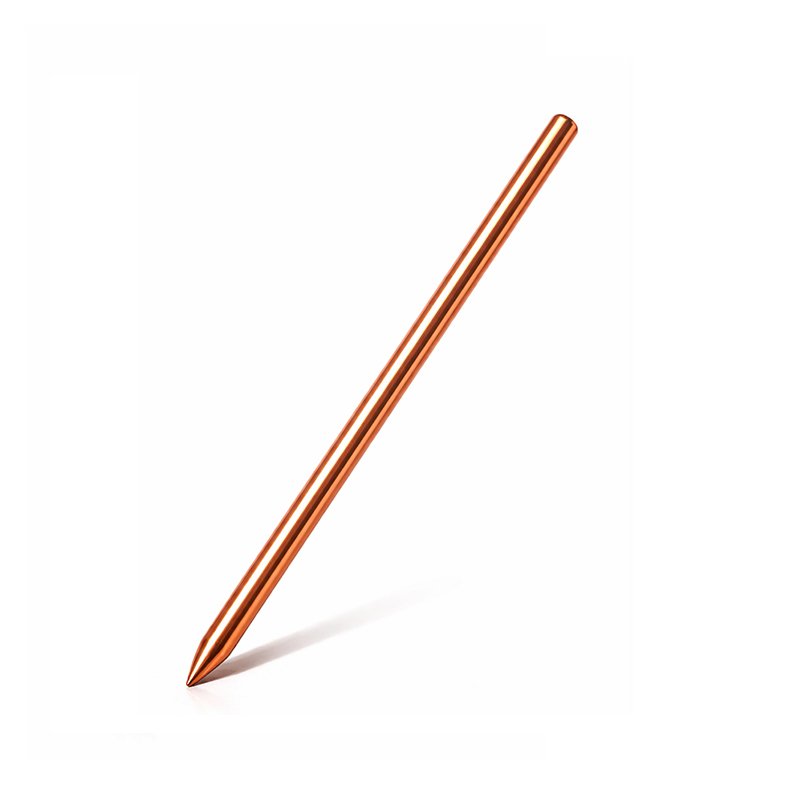
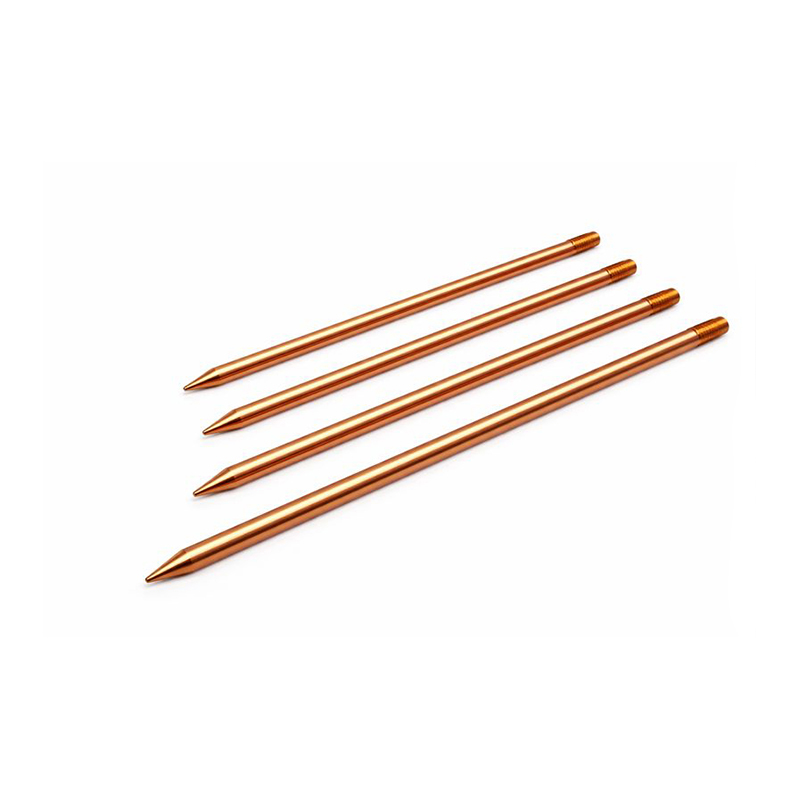
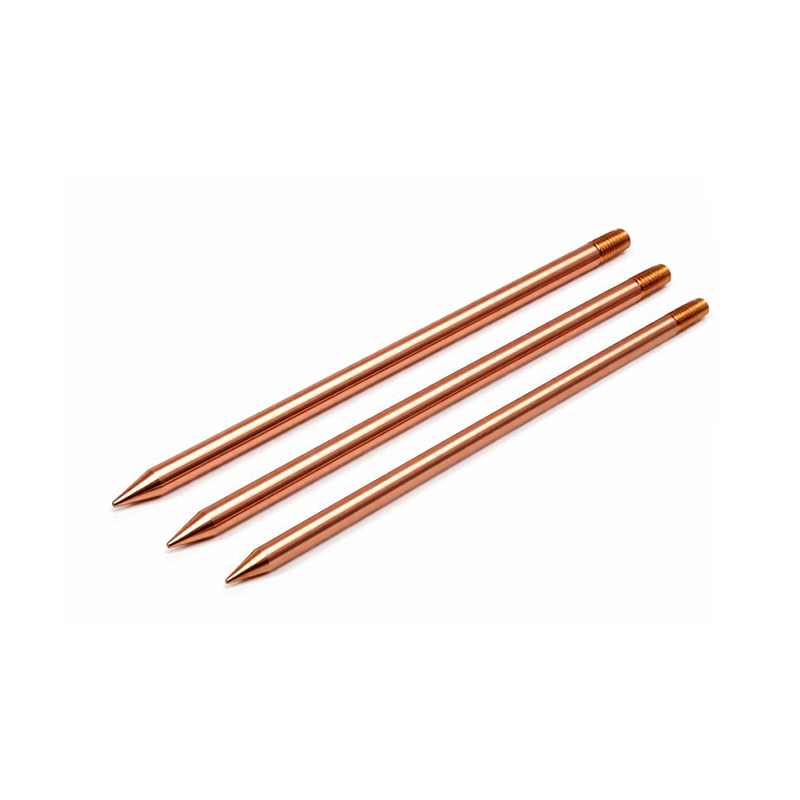
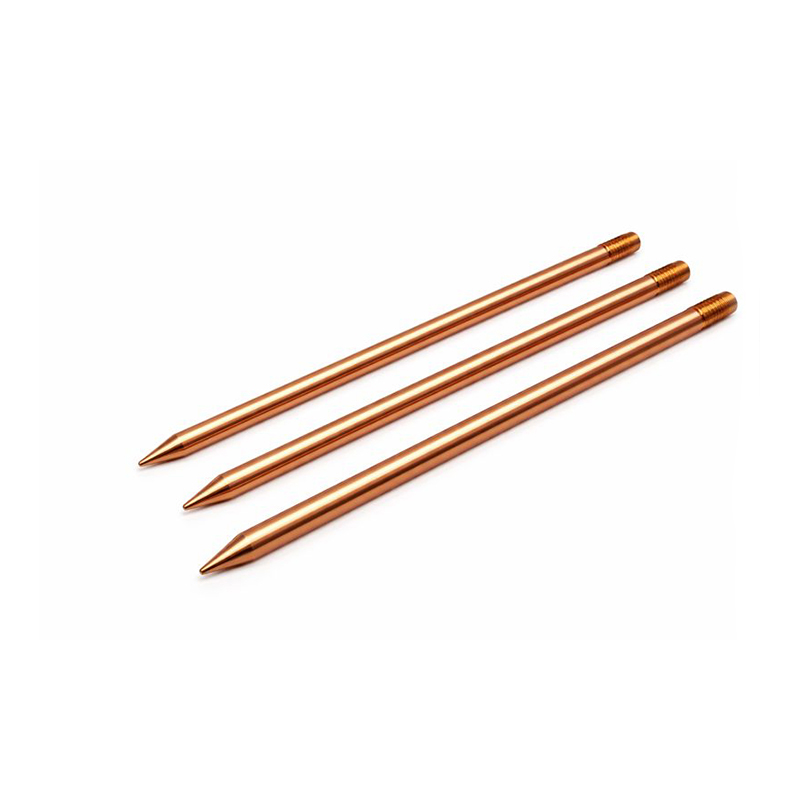
One of the main functions of a copper grounding conductor is to provide a low-impedance path between electrical systems and the earth. Low impedance helps fault currents dissipate quickly, which supports the operation of protective devices such as circuit breakers or fuses. When a fault occurs, the grounding conductor allows current to flow efficiently toward the grounding electrode system, such as ground rods or grounding strips, rather than remaining in conductive enclosures or frames. This behavior reduces the duration of abnormal voltage conditions.
Stabilizing System Voltage Levels
Copper grounding conductors also contribute to voltage stabilization within electrical systems. By referencing equipment and conductive parts to earth potential, grounding conductors help maintain predictable voltage relationships. This function is particularly important in power distribution networks, industrial facilities, and communication systems, where unstable reference voltages can interfere with normal operation. A consistent grounding path reduces the risk of floating voltages that may otherwise appear during transient events.
Managing Fault Currents in Power and Industrial Systems
In power generation, transmission, and industrial environments, fault currents can reach high magnitudes. The grounding conductor must handle these currents without excessive heating or mechanical damage. Copper grounding conductors are designed to carry fault currents for short durations while maintaining structural integrity. Their cross-sectional area is selected based on expected fault levels, system voltage, and installation standards. This capacity supports predictable system behavior during abnormal operating conditions.
Supporting Lightning Protection Systems
Grounding systems are closely linked with lightning protection installations. When lightning strikes a structure or nearby area, large surge currents must be directed safely into the earth. Copper grounding conductors connect lightning rods, down conductors, and grounding electrodes, forming a continuous discharge path. This function helps distribute lightning energy into the soil, reducing the risk of side flashes or damage to building structures. In such applications, conductor continuity and connection reliability are critical considerations.
Integration with Ground Rods and Grounding Electrodes
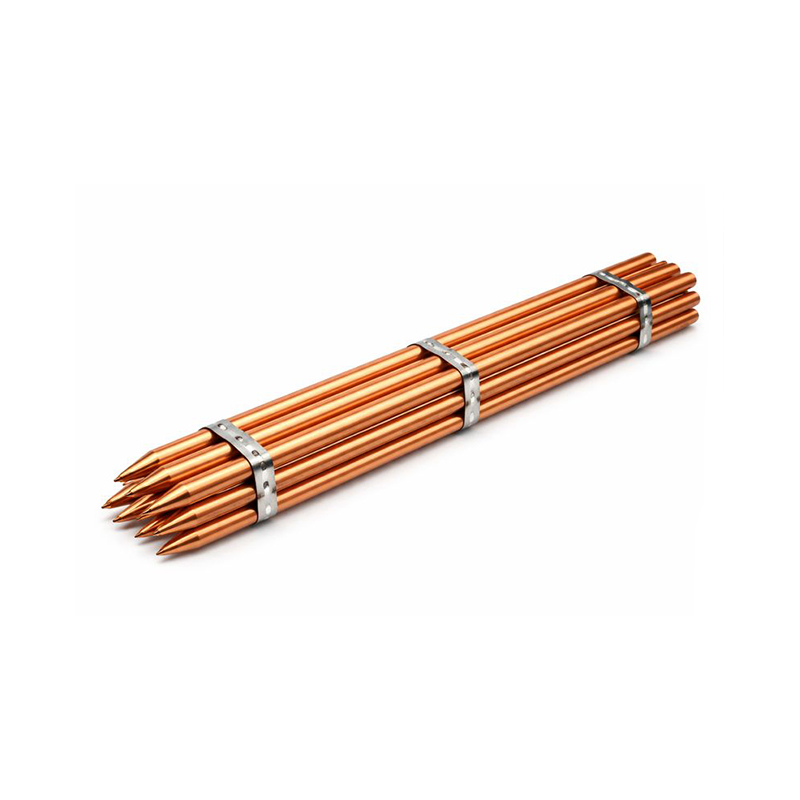
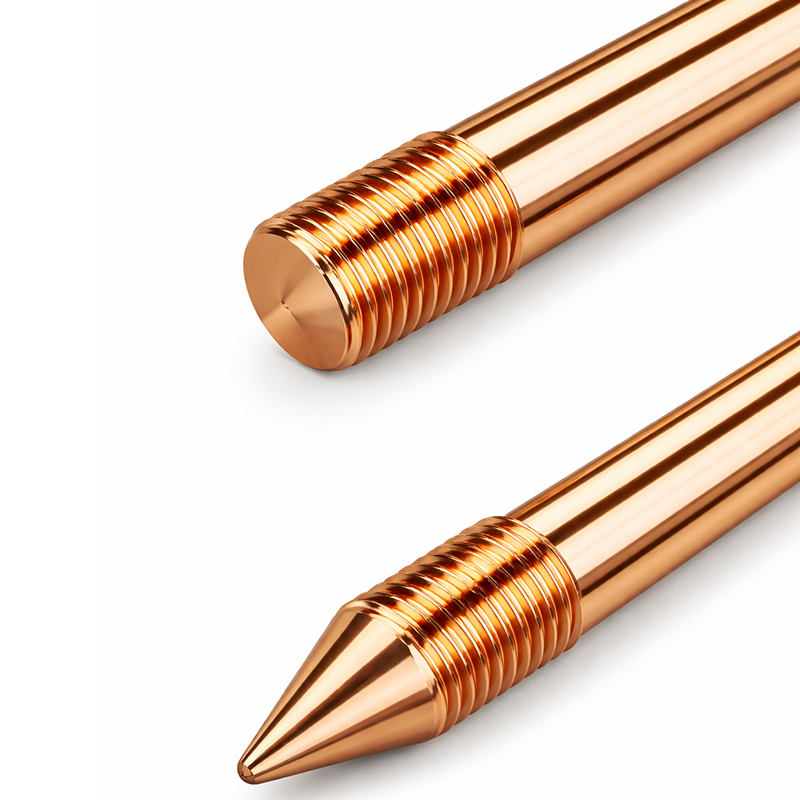
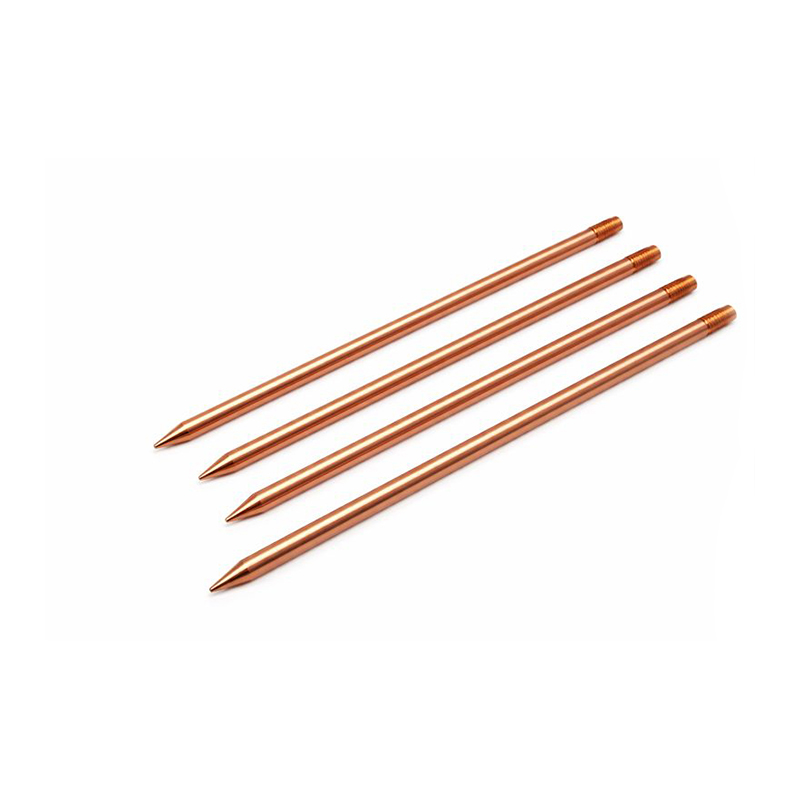
The copper grounding conductor does not operate in isolation. It forms part of a broader grounding network that includes ground rods, grounding busbars, grounding strips, and earthing tapes. The conductor links electrical equipment and metallic structures to these electrodes, enabling energy dissipation into the surrounding soil. Proper integration ensures that current spreads over a larger earth contact area, lowering overall grounding resistance and supporting system performance.
| Grounding Component | Main Function | Connection to Copper Grounding Conductor |
| Ground Rod | Transfers current into soil | Direct mechanical or welded connection |
| Grounding Busbar | Central grounding point | Bonded to multiple conductors |
| Lightning Rod | Intercepts lightning strikes | Connected through down conductors |
Importance of Reliable Electrical Connections
The effectiveness of a copper grounding conductor depends not only on the conductor itself but also on how it is connected to other components. Poor connections can introduce resistance, generate heat, or degrade over time. Mechanical connectors, compression lugs, and exothermic welding are commonly used to ensure stable electrical continuity. Exothermic welding creates a permanent metallurgical bond between copper conductors and grounding components, which reduces the risk of loosening under thermal cycling or vibration.
Exothermic Welding and Grounding System Integrity
Exothermic welding plays a significant role in grounding systems that rely on copper conductors. This process joins conductors without relying on external power sources, forming a conductive joint with consistent electrical characteristics. Shaoxing Sweld Electric Co., Ltd. manufactures exothermic welding powder and matching molds that support grounding conductor installation across various project scales. The availability of customized molds allows grounding conductors of different sizes to be integrated with ground rods, busbars, and other hardware components.
Mechanical and Environmental Considerations
Grounding conductors are often installed in environments exposed to moisture, soil chemicals, temperature variation, and mechanical stress. Copper grounding conductors offer stable performance under these conditions when properly specified. Stranded copper conductors may be selected where flexibility is required, while solid conductors are used in fixed installations. Protective routing, suitable burial depth, and compatible connection hardware all influence long-term system behavior.
Role in Equipment Bonding and Personnel Protection
Beyond directing fault currents to earth, copper grounding conductors are used for bonding metallic parts within an installation. Bonding ensures that exposed conductive surfaces remain at similar electrical potential, reducing touch voltage differences that could affect personnel. In industrial plants and substations, bonding networks connect enclosures, cable trays, and structural steel through copper conductors, forming an equipotential environment.
Influence on System Reliability and Maintenance
A well-designed grounding conductor network supports system reliability by reducing unexpected electrical behavior. Stable grounding minimizes nuisance tripping, electrical noise, and interference in sensitive circuits. From a maintenance perspective, copper grounding conductors connected through durable methods such as exothermic welding require fewer inspections and adjustments compared with temporary or lightly clamped connections. This characteristic is relevant for facilities aiming to manage long-term operational costs.
Customization and Manufacturing Considerations
Different projects impose different requirements on grounding conductors, including conductor size, connection geometry, and installation method. Manufacturing capabilities such as CNC machining allow grounding-related hardware and welding molds to be adapted to specific conductor dimensions. With multiple high-speed CNC machining centers, Shaoxing Sweld Electric Co., Ltd. supports the production of grounding system components that align with conductor design and site conditions.
Application Across Power, Industrial, and Infrastructure Projects
Copper grounding conductors are used across a wide range of applications, including power substations, renewable energy installations, industrial plants, transportation infrastructure, and building electrical systems. In each case, their functions remain consistent: providing a defined current path, stabilizing voltage reference, and supporting protective measures. The grounding conductor acts as a connecting element that links electrical equipment, grounding electrodes, and lightning protection components into a coordinated system.
FAQ
Q: How does a copper grounding conductor behave during fault current discharge?
A: During a fault, a copper grounding conductor provides a stable electrical path that allows current to flow toward the grounding system rather than remaining on equipment surfaces. Its conductivity supports rapid current transfer to ground rods or grounding grids, helping protective devices respond as intended.
Q: What factors should be considered when selecting the cross-sectional area of a copper grounding conductor?
A: Selection usually depends on expected fault current level, duration of the fault, system voltage, installation environment, and applicable standards. Soil conditions and connection methods, such as mechanical clamps or exothermic welding, also influence conductor sizing.
Q: Can copper grounding conductors be connected using exothermic welding instead of mechanical clamps?
A: Yes, exothermic welding is commonly used to connect copper grounding conductors to ground rods, busbars, or other conductors. This method forms a permanent conductive bond that does not rely on contact pressure and remains stable under thermal cycling and vibration.
Q: How does soil environment affect the performance of a copper grounding conductor?
A: Soil resistivity, moisture content, and chemical composition influence how effectively current dissipates into the earth. While the conductor itself maintains consistent electrical properties, overall grounding performance depends on how it interacts with grounding electrodes and surrounding soil.
Q: Is stranded copper grounding conductor suitable for installations with mechanical movement or vibration?
A: Stranded copper grounding conductors are often selected in environments where flexibility is required, such as near moving equipment or areas exposed to vibration. Their structure allows repeated movement with reduced risk of mechanical fatigue compared to solid conductors.
Q: What role does the grounding conductor play in lightning protection systems?
A: In lightning protection systems, the copper grounding conductor connects lightning rods and down conductors to the grounding electrode system. It guides high surge currents into the earth, helping limit voltage rise on structures during lightning events.
Q: Can copper grounding conductors be customized for different project requirements?
A: Yes, conductor dimensions, connection interfaces, and matching hardware can be adapted to project needs. With CNC-machined molds and exothermic welding materials, manufacturers such as Shaoxing Sweld Electric Co., Ltd. support customized grounding conductor connections for varied installations.