


 English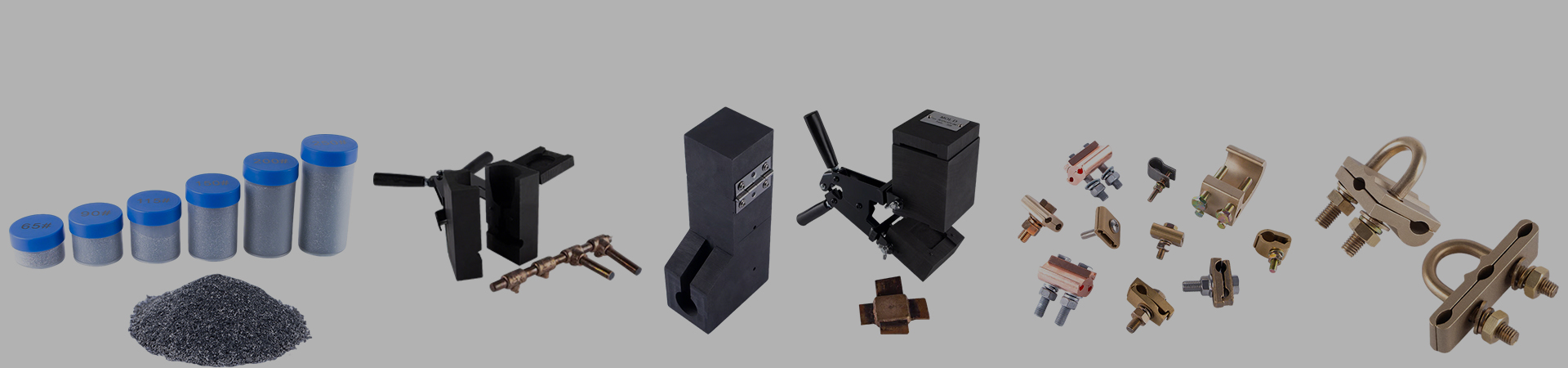
How Do the Unique Metallurgical Properties of Brass Rods Ensure Superior Electrical Conductivity and Long-Term Durability in Grounding Infrastructure?
The selection of Brass Rods for electrical grounding and structural conductive applications is a decision rooted in the fundamental science of alloying. While pure copper is the gold standard for raw conductivity, brass provides a specific set of physical characteristics that make it indispensable in environments where mechanical stress and environmental aggression coexist. For Shaoxing Sweld Electric Co., Ltd., the production of high-grade brass rods involves a meticulous balancing of chemical composition to ensure that the material meets the rigorous demands of power distribution and industrial safety.
The Synergetic Effect of Copper-Zinc Alloying on Conductivity
The electrical performance of a brass rod is governed by its copper content. Typically, brasses used in electrical engineering contain high percentages of copper to maintain a favorable conductivity profile while utilizing zinc to enhance hardness and casting fluidity. In the context of grounding systems, these rods act as the primary conduit for discharging fault currents into the earth. The presence of zinc within the atomic lattice provides a degree of electrical resistance higher than that of high-purity copper, yet it remains far superior to ferrous alternatives.
Shaoxing Sweld Electric Co., Ltd. optimizes its brass rod formulations to ensure they provide a reliable path for current flow, minimizing the risk of heat buildup during sudden surges. This is particularly critical in communications facilities and building electrical engineering where the stability of the ground connection directly impacts the sensitivity of electronic hardware. By controlling the impurity levels within the alloy, the company ensures that the electron flow remains consistent, reducing electrical failures and mitigating safety risks across the entire network.
Advanced Corrosion Resistance in Diverse Soil Conditions
One of the primary reasons engineers specify brass rods over other materials is their exceptional resistance to corrosion. Grounding conductors are inherently exposed to the subterranean environment, which is often rich in moisture, salts, and varying pH levels. Brass is naturally resistant to many forms of corrosion, including dezincification, when the alloy is correctly specified.
When a brass rod from Shaoxing Sweld Electric Co., Ltd. is installed in the ground, it quickly develops a stable protective surface layer. This prevents the deep-seated oxidation that can cause a conductor to lose its cross-sectional area over time. In industrial equipment grounding, maintaining the physical integrity of the rod is essential; a corroded rod increases the impedance of the ground path, which can lead to equipment damage or lethal electrical shocks. The stability of brass ensures that the grounding system remains functional for decades, adapting to long-term operational requirements without the need for frequent replacement.
Crystalline Stability and Thermal Performance
The internal crystalline structure of a brass rod determines how it behaves under thermal stress. During a lightning strike or a high-voltage short circuit, the conductor undergoes a massive instantaneous temperature rise. Brass rods possess a favorable thermal expansion coefficient that prevents them from warping or fracturing under these conditions.
Shaoxing Sweld Electric Co., Ltd. leverages its ISO9001-certified quality management to ensure that the internal grain structure of their brass rods is uniform. This uniformity ensures that thermal energy is distributed evenly across the rod, preventing localized "hot spots" that could compromise the connection points. Furthermore, the high melting point of brass compared to many synthetic or lower-grade metallic alternatives provides an added layer of security, ensuring that the ground connection remains intact even during catastrophic electrical events.
Why Is the Mechanical Strength and Machinability of Brass Rods Essential for Custom Electrical Hardware and Structural Grounding?
The transition from a raw alloy to a functional grounding component requires a material that can withstand both the rigors of installation and the precision requirements of modern engineering. Brass rods are uniquely suited for this because they offer a combination of high tensile strength and the best machinability of any copper-based alloy.
Tensile Strength and Resilience Against Installation Stress
Grounding rods must often be driven into hard-packed or rocky soil using high-impact hammers. Pure copper is frequently too soft for these conditions, leading to "mushrooming" or bending. Brass rods, however, possess a higher yield strength, allowing them to maintain their straightness and structural integrity during deep-earth installation.
Shaoxing Sweld Electric Co., Ltd. provides brass rods that are engineered to survive these mechanical stresses. This strength ensures that the rod reaches the desired depth to access low-resistivity soil layers, which is crucial for achieving a safe grounding value. The rigidity of brass also makes it an excellent choice for structural conductive elements in building electrical engineering, where the rod must support its own weight and the weight of attached hardware over long vertical runs.
Precision Machining and CNC Customization
A major advantage of brass is its "free-cutting" nature. It can be machined at high speeds with minimal tool wear, allowing for the creation of extremely precise threads, flats, and attachment points. Shaoxing Sweld Electric Co., Ltd. utilizes 7 high-speed CNC machining centers to transform brass rods into specialized electrical hardware connection parts.
With a daily production capacity of 180 sets of molds, the company can provide customers with real-time design and manufacturing molding. This is essential for power distribution systems that require non-standard connectors or custom-shaped grounding blocks. The ability to machine brass with micrometer-level precision ensures that the threads on a brass rod or its associated couplers are perfectly formed, creating a high-surface-area contact that minimizes contact resistance and maximizes electrical safety.
Versatility in Workability and Secondary Operations
Brass rods are not only easy to machine but also highly responsive to other manufacturing processes such as forging, bending, and soldering. This workability allows Shaoxing Sweld Electric Co., Ltd. to produce a complete set of products that are perfectly matched. For instance, a brass rod can be forged into a specialized terminal or bent to follow the complex contours of an industrial machine frame without developing stress cracks.
This mechanical versatility is a key factor in the product's wide adoption in industrial equipment and communications facilities. Engineers can design complex grounding layouts knowing that the brass material can be shaped and joined to meet the specific requirements of the site. The structural stability of the material ensures that once it is shaped and installed, it will not "creep" or deform under the vibration and thermal cycles common in heavy industrial environments.
How Does the Integration of Brass Rods with Exothermic Welding and Certified Hardware Create a Reliable Safety Ecosystem?
A grounding rod is only as effective as the connections that link it to the rest of the electrical system. Brass rods are a crucial material for achieving safe grounding because they are highly compatible with advanced joining technologies like exothermic welding and precision-machined mechanical clamps.
Molecular Fusion and the Exothermic Welding Advantage
For permanent, high-reliability grounding, exothermic welding is the preferred method. Shaoxing Sweld Electric Co., Ltd. is a specialist in this field, with an annual production capacity of 500 tons of exothermic welding powder. Brass rods are ideally suited for this process; the copper-zinc alloy reacts favorably with the molten copper produced during the exothermic reaction, creating a molecular bond that is essentially a single piece of metal.
This molecular fusion eliminates the interface between the conductor and the connector, which is where traditional mechanical joints often fail due to oxidation or loosening. By using Sweld’s specialized graphite molds—produced at a rate of 180 sets per day—the brass rod can be fused to ground wires or busbars with perfect consistency. This ensures a permanent, maintenance-free connection that can handle the full rated current of the system for its entire operational life.
Compliance with Global Quality and Safety Standards
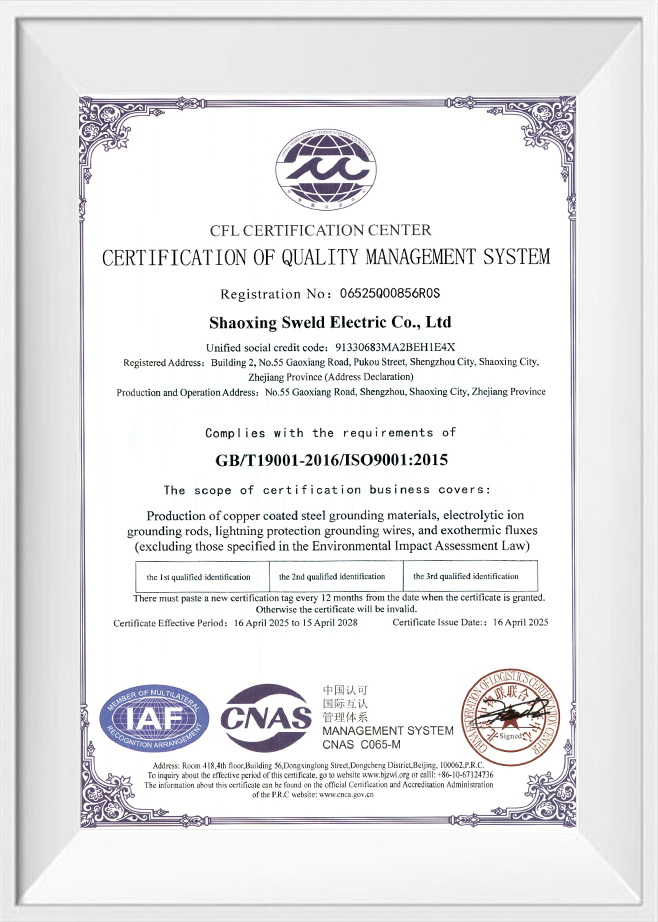
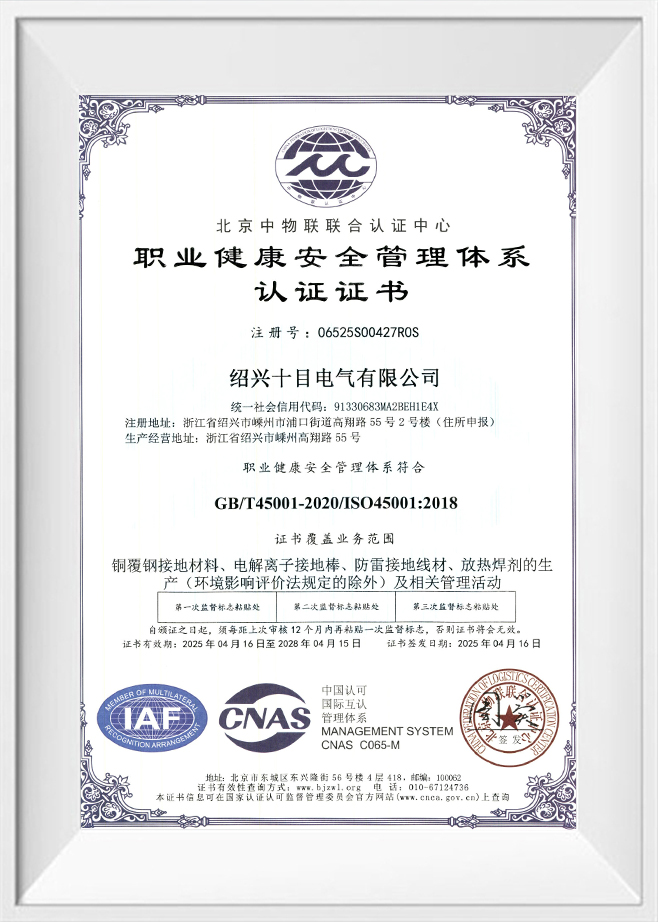
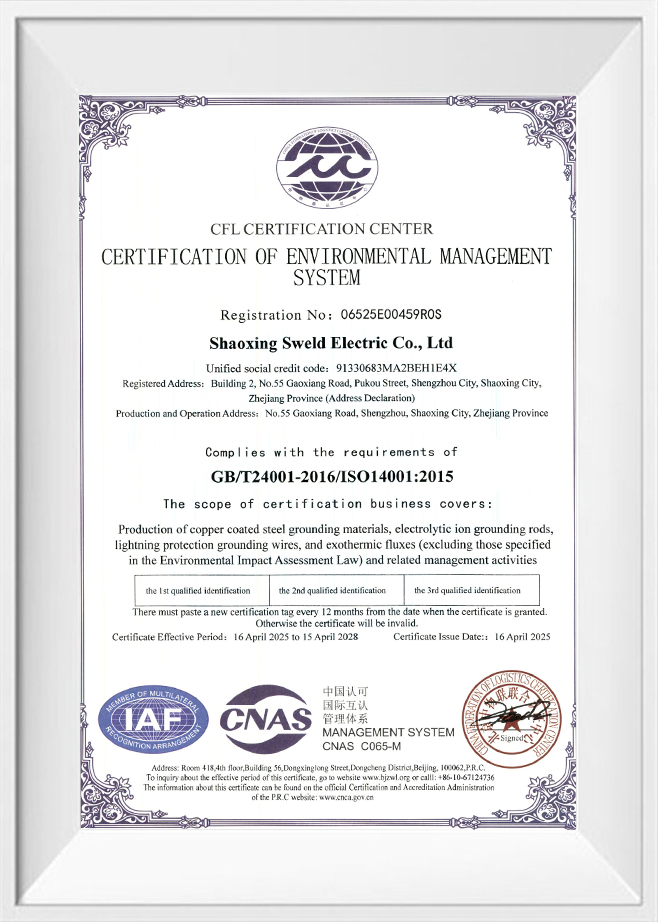
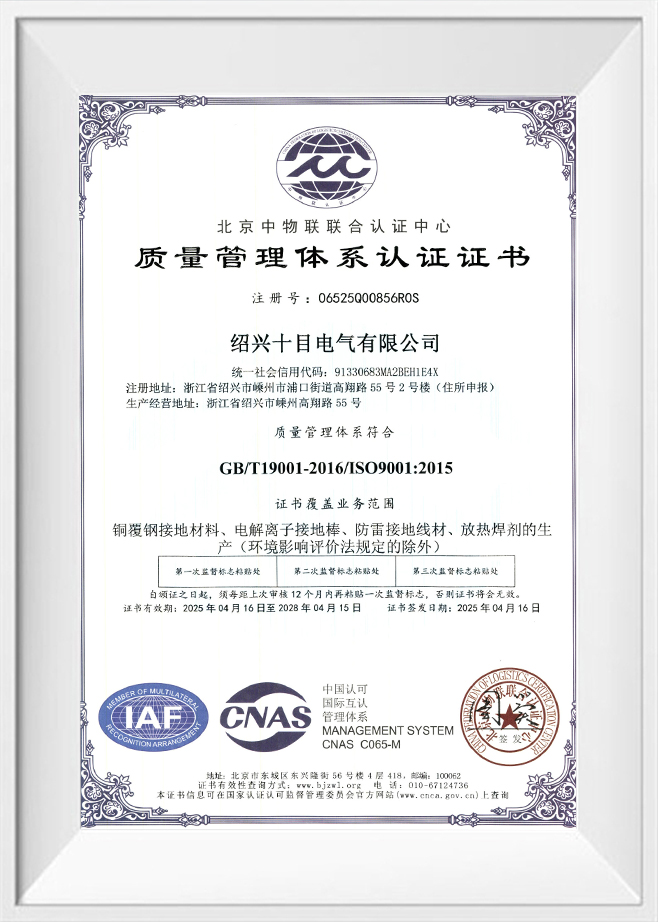
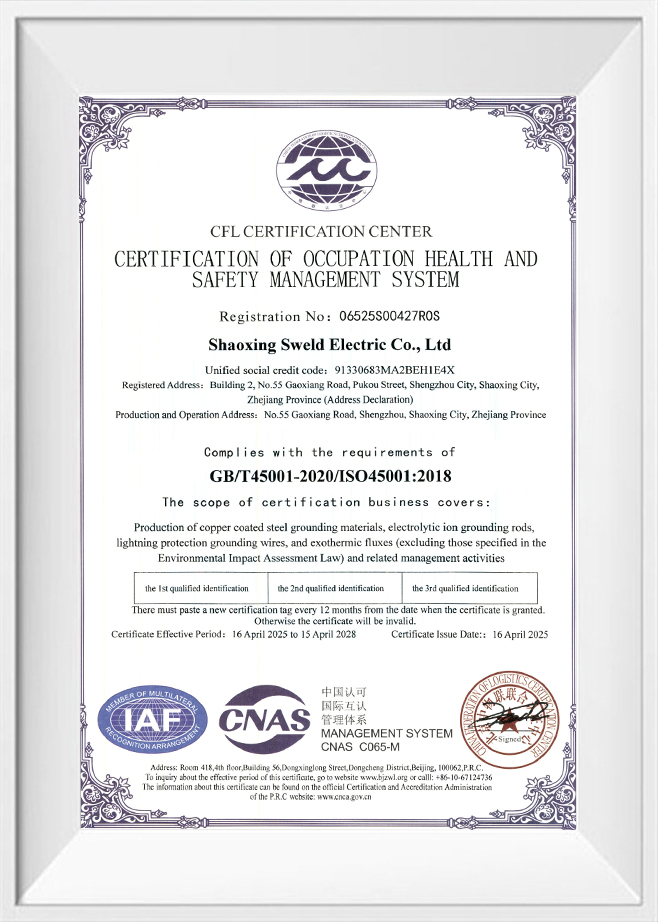
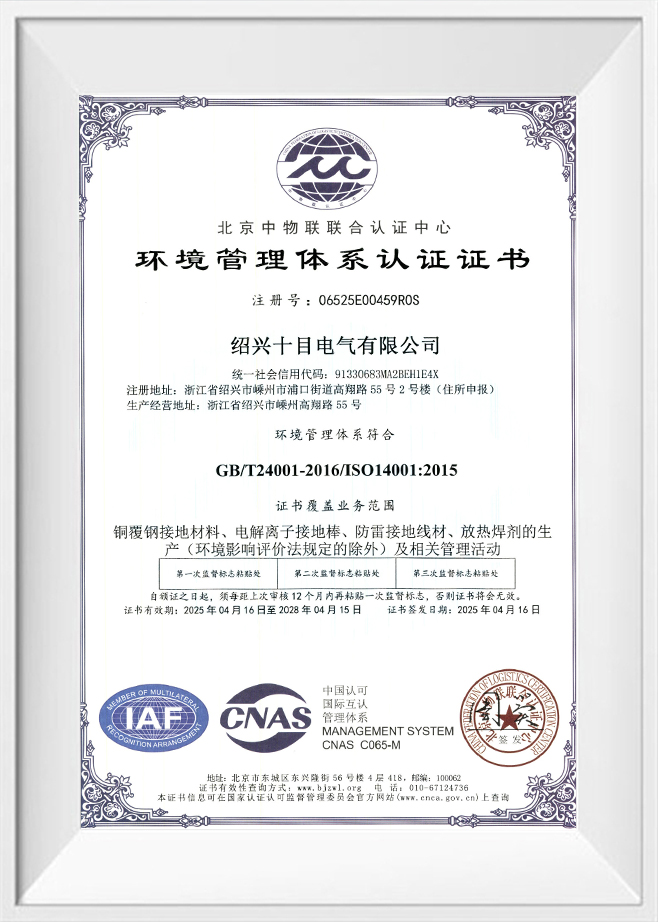
In the global market, the reliability of a grounding system must be backed by verifiable data and certifications. Shaoxing Sweld Electric Co., Ltd. has passed ISO9001, ISO14001, and ISO45001 certifications, ensuring that their brass rods and associated products are manufactured under the highest standards of quality, environmental responsibility, and occupational health.
Furthermore, all products have passed national certification laboratory testing. For international projects, the company provides essential documentation such as the exothermic welding powder export special dangerous package certificate and export licenses for molds. This level of certification provides engineers and project managers with the peace of mind that the brass rods they are installing meet the specific electrical conductivity, mechanical strength, and durability requirements necessary for critical infrastructure.
Optimized System Performance and Security
When selecting brass rods, consideration must be given to their dimensions and the specific grounding requirements of the site. Shaoxing Sweld Electric Co., Ltd.’s professional technical team and sales elites, totaling more than 50 experts, provide real-time design support to ensure that the chosen brass rods are optimized for the application.
Whether it is a power distribution system in a dense urban area or a remote communications facility, the integration of brass rods with Sweld’s complete set of products creates a robust safety ecosystem. The material's inherent durability reduces the need for frequent inspections, while its high mechanical strength provides a secondary benefit of theft deterrence, as brass is more difficult to cut and remove than softer, pure copper conductors.
Comparative Performance Analysis of Grounding Materials
The following table illustrates why brass rods are often the preferred choice for industrial and structural grounding applications requiring a balance of conductivity and strength.
|
Performance Metric |
Brass Rod (Sweld) |
Pure Copper Rod |
Galvanized Steel Rod |
|---|---|---|---|
|
Electrical Conductivity |
Good (Alloy Dependent) |
Excellent (100% IACS) |
Low (~10-15% IACS) |
|
Mechanical Strength |
High (Deformation Resistant) |
Moderate (Soft/Ductile) |
Very High |
|
Corrosion Resistance |
Excellent (Stable Patina) |
Excellent |
Poor (Zinc is Sacrificial) |
|
Machinability (CNC) |
Optimal (Free-Cutting) |
Moderate |
Poor |
|
Exothermic Compatibility |
Excellent |
Excellent |
Moderate |
|
Installation Hardness |
High (Deep-Driving) |
Low (Mushrooming Risk) |
High |
|
Long-Term Stability |
Very High |
High |
Low (Rust Expansion) |
|
Machining Precision |
Micrometer Level |
Standard |
Standard |
Strategic Integration in Communications and High-Rise Engineering
In the realm of communications facilities, the requirement for a "quiet" ground with low electrical noise is paramount. The consistent conductivity of brass rods from Shaoxing Sweld Electric Co., Ltd. ensures that stray currents are effectively dissipated, protecting sensitive signal processing equipment from interference. In high-rise building electrical engineering, the rods serve as both a safety ground and a functional reference for the building's complex electrical systems.
The 3,000-square-meter facility in Shengzhou is equipped to handle the high-volume requirements of these sectors. The company's ability to provide a complete set of products ensures that there is no weak link in the safety chain. By using lab-tested materials and ISO-certified processes, Shaoxing Sweld Electric Co., Ltd. enables engineers to design grounding systems that are not only safe and stable but also optimized for the lifetime of the infrastructure they protect.
Reliability in Power Distribution and Industrial Environments
Heavy industrial equipment requires a grounding solution that can handle constant vibrations and potential mechanical impacts. The structural stability of brass rods ensures that the ground connection remains secure under these conditions. In power distribution systems, the rods are used to establish a reliable ground for transformers and switchgear, where the ability to handle high fault currents is a non-negotiable safety requirement.
Shaoxing Sweld Electric Co., Ltd.'s professional technical team ensures that every brass rod produced meets the specified dimensions and durability standards. The synergy between their high-speed CNC machining centers and their exothermic welding expertise allows for the creation of customized grounding nodes that can be deployed rapidly in the field. This responsiveness, combined with the material's natural resistance to environmental degradation, makes brass rods a crucial material for the modern electrical grid, ensuring that power remains stable and personnel remain safe.