


 English
How Does the High-Purity Material Composition of Pure Copper Rods Ensure Maximum Electrical and Thermal Efficiency in Demanding Industrial Environments?
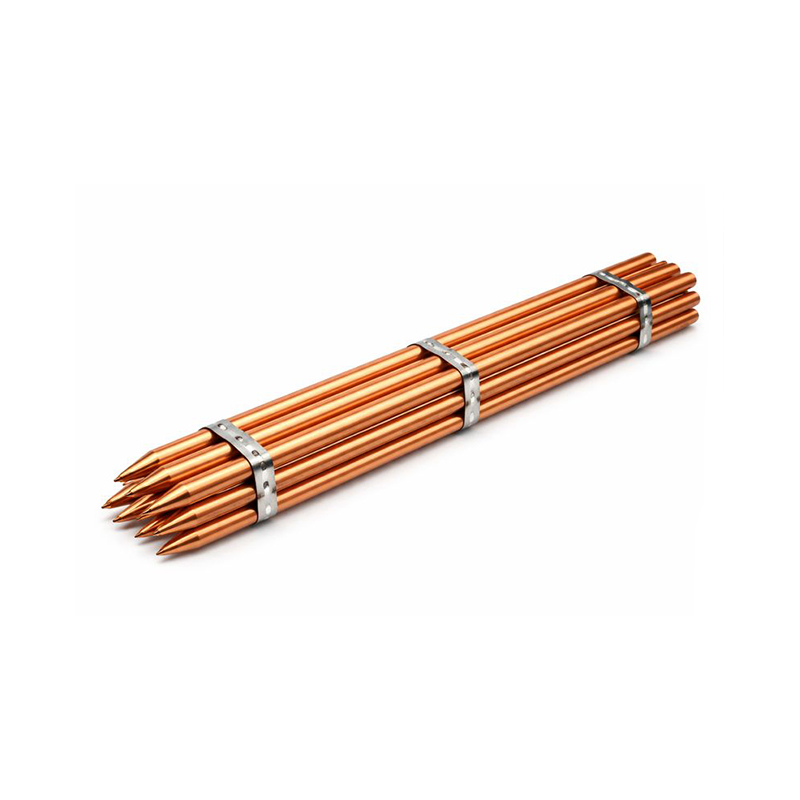
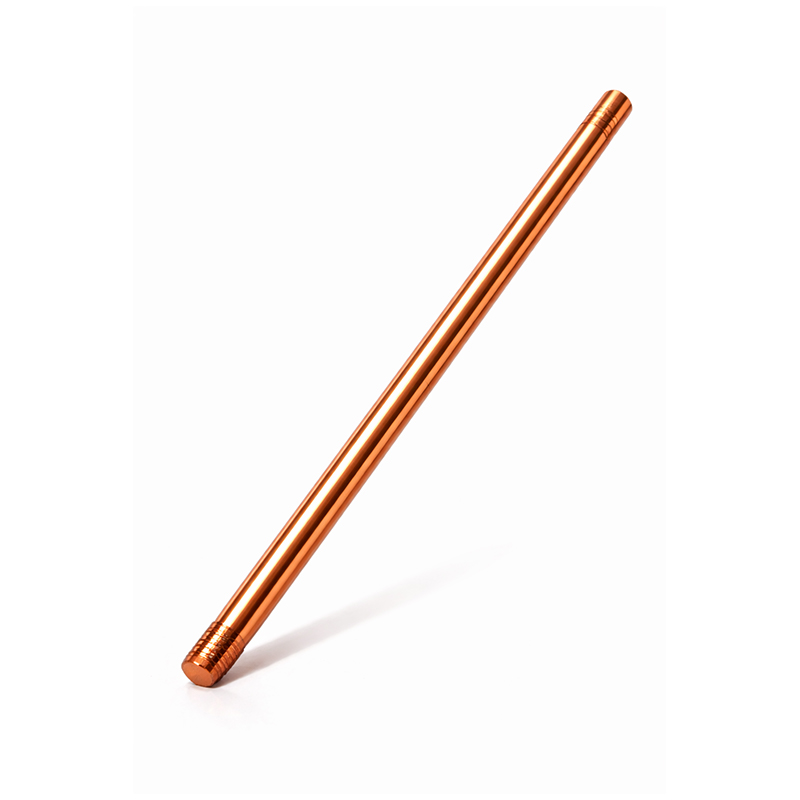
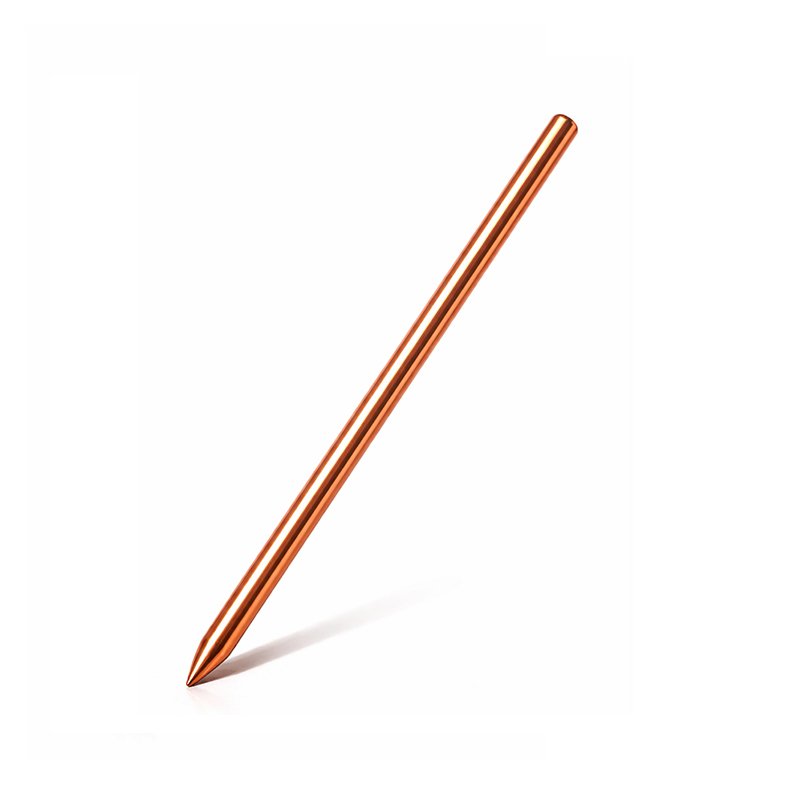
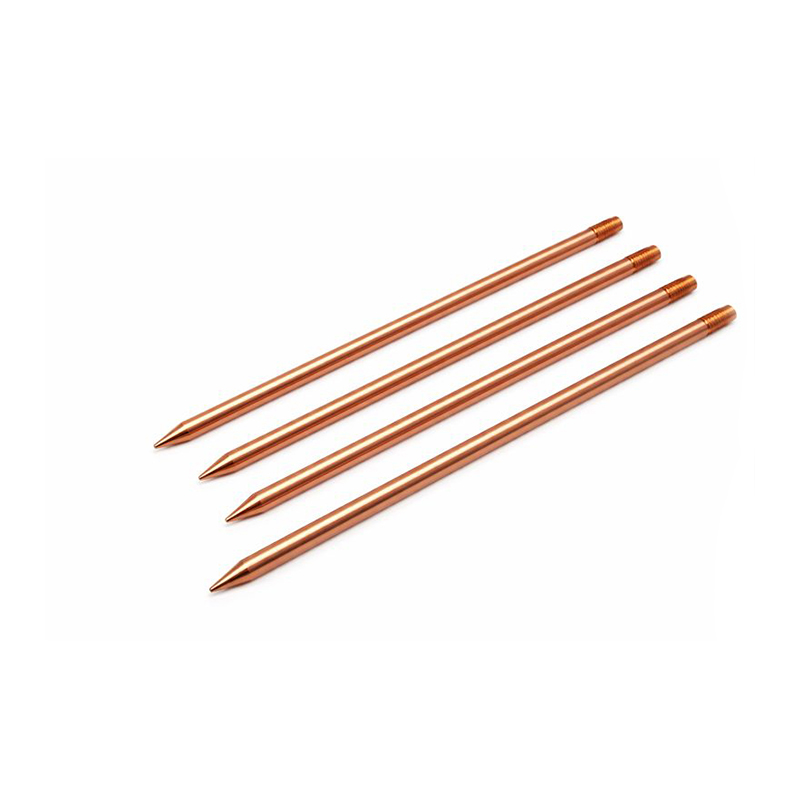
The performance and reliability of a Pure Copper Rod are fundamentally anchored in its chemical purity and crystalline architecture. In the sophisticated landscape of modern electrical engineering and high-performance thermal management, "purity" is far more than a nominal quality metric; it is the absolute baseline for functional efficacy. High-purity copper, typically adhering to the standards of C11000 electrolytic tough pitch copper or higher, provides an atomic lattice that facilitates the nearly frictionless movement of electrons and phonons.
Thermal Management and Heat Exchange Dynamics
Beyond the realm of electrical conduction, the Pure Copper Rod serves as a critical component in advanced thermal management systems. With a thermal conductivity rate of approximately 400 Watts per meter-Kelvin, it provides performance that is vastly superior to common alternatives like aluminum or stainless steel. In heat exchange systems, these rods are often machined into intricate components that serve as thermal bridges between high-intensity heat sources and cooling mediums.
The internal grain structure of the copper, which is established during the initial drawing or extrusion phases, dictates how effectively heat energy migrates through the metal. Shaoxing Sweld Electric Co., Ltd. employs refined processing techniques to ensure that grain boundaries are minimized and strategically oriented to favor the primary direction of thermal flow. This meticulous control is especially vital for rods used in precision machinery where thermal expansion must remain predictable and uniform across a wide temperature range. Any internal voids or non-metallic inclusions within the copper would act as thermal insulators, creating localized "hot spots" that could warp the rod or cause the surrounding hardware to fatigue prematurely.
Corrosion Defense and Material Stability
One of the most valuable attributes of pure copper is its ability to develop a protective oxide layer, often recognized as a patina, when exposed to atmospheric conditions. This thin, resilient layer is self-limiting; once it forms, it acts as a barrier that prevents deeper oxidation from compromising the structural core of the rod. This natural defense mechanism is the reason why Pure Copper Rods are the preferred choice for long-term construction projects and outdoor electrical installations. Unlike iron-based materials that suffer from progressive rusting and flaking, the physical and functional integrity of a copper rod can remain stable for many decades.
In aggressive industrial environments—such as those containing high levels of sulfur or chlorides—the chemical stability of the Pure Copper Rod becomes a vital asset. It resists the localized "pitting" that can rapidly destroy other metallic conductors. Shaoxing Sweld Electric Co., Ltd. ensures that the surface finish of their rods is engineered to promote the rapid formation of a uniform protective patina. This is particularly critical when the rods are deployed as structural supports in chemical processing plants or in coastal grounding systems where the air is perpetually laden with corrosive salt spray.
Mechanical Versatility: Ductility and Structural Reliability
The toughness of a Pure Copper Rod is unique because it is paired with exceptional ductility. This allows the material to be cold-worked, bent, and intricately formed without the risk of stress cracking or structural failure. Such ductility is essential for the creation of complex busbar geometries or custom-shaped electrical connectors that must navigate tight spaces within modern control cabinets. Importantly, this flexibility does not come at the expense of strength; once the rod is formed into its final shape, it retains the rigidity necessary to support heavy-gauge electrical cables or serve as a mechanical pivot in high-voltage switchgear.
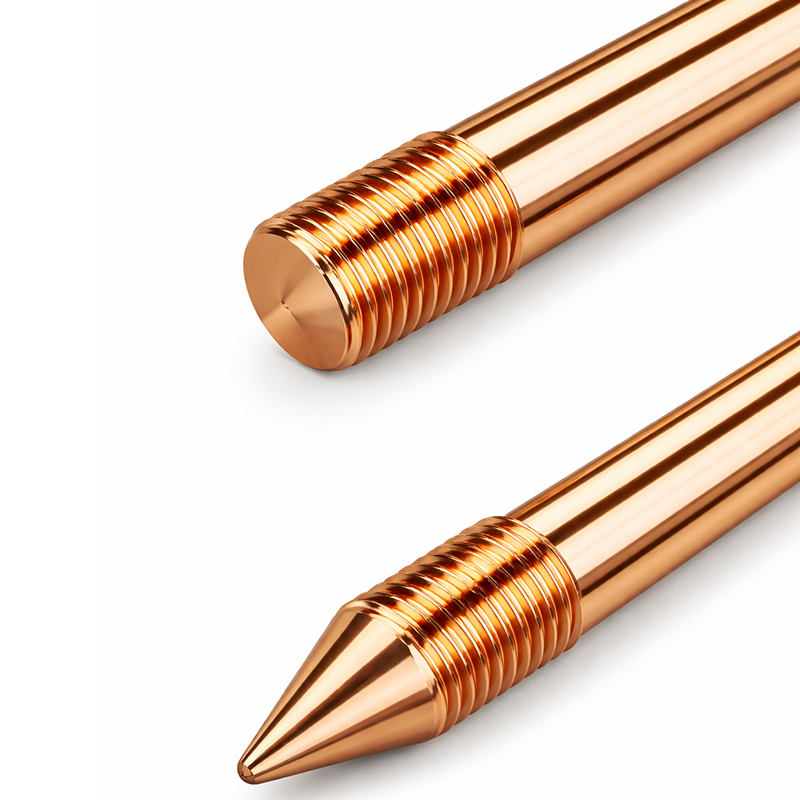
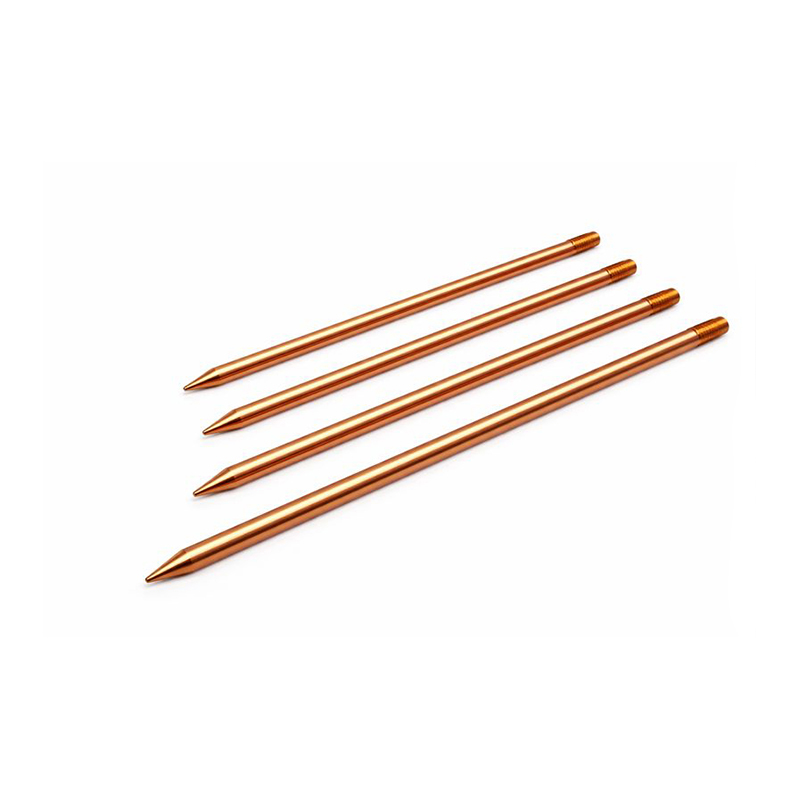
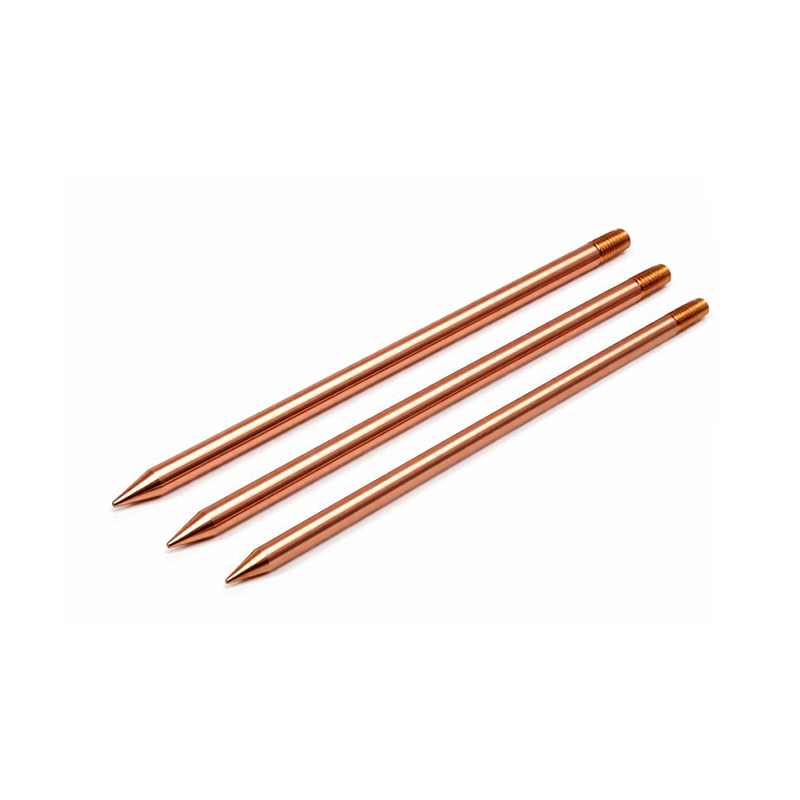
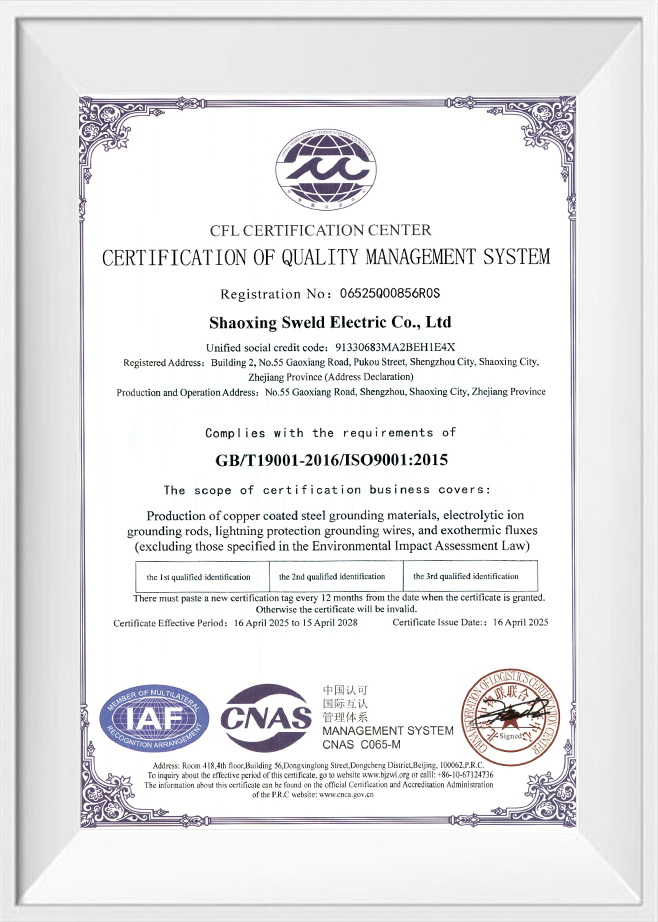
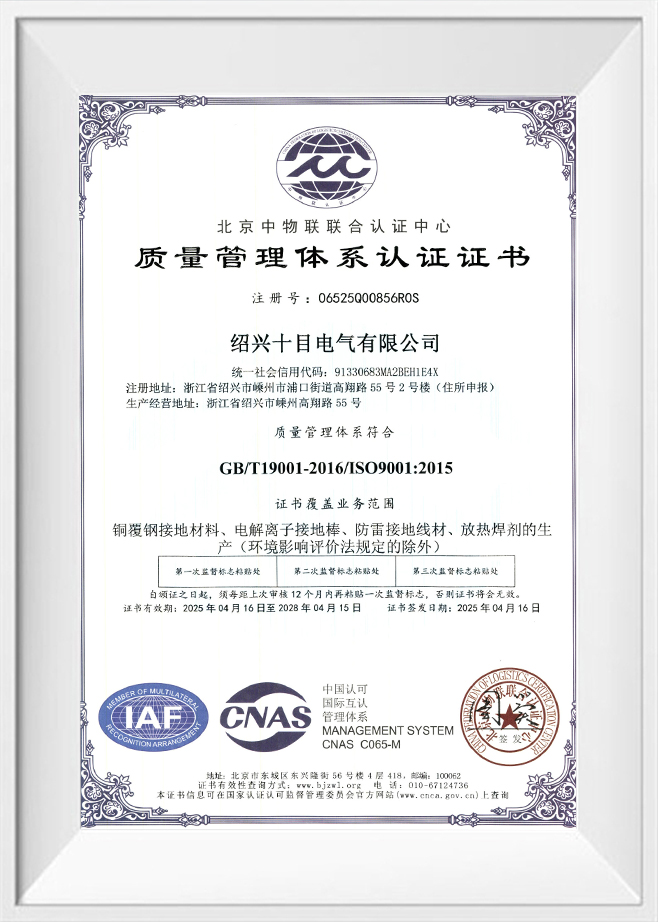
Shaoxing Sweld Electric Co., Ltd. capitalizes on this inherent machinability by utilizing its 7 high-speed CNC machining centers to convert raw copper rods into high-precision engineering components. The ease with which copper can be milled, turned, and drilled allows for the creation of precise threads and flat contact surfaces that are fundamental to low-resistance electrical joints. The consistency of the raw materials sourced by Sweld ensures that their CNC programming yields identical, high-tolerance results across massive production runs, fully satisfying the rigorous quality requirements of their ISO9001 certification.
Why Is the Precision Machining and Dimensional Accuracy of Pure Copper Rods Crucial for the Performance of Complex Electrical and Mechanical Assemblies?
The transformation of a raw metallurgical product into a high-functioning industrial component is a process defined by dimensional accuracy. A Pure Copper Rod might possess the highest levels of chemical purity, but if its physical dimensions—such as diameter, straightness, or surface finish—deviate even slightly from the required tolerances, it becomes a liability rather than an asset. In the world of precision engineering, the rod must interface seamlessly with a multitude of other materials to guarantee both mechanical stability and electrical continuity across the entire assembly.
CNC Machining Excellence and Geometric Precision
At the 3000 square meter manufacturing facility of Shaoxing Sweld Electric Co., Ltd., the 7 high-speed CNC machining centers are the heart of the production process. These machines ensure that every Pure Copper Rod produced meets the exacting demands of modern industrial standards. When a rod is designated for use as a structural support or a processing material, its diameter must remain consistent within a few microns. This level of precision is non-negotiable for rods that serve as motor shafts, high-pressure electrical contacts, or key components within an exothermic welding mold assembly.
Geometric tolerances—encompassing aspects such as cylindricity, parallelism, and perpendicularity—are not merely theoretical values; they are the direct predictors of a machine's operational lifespan. For example, if a copper rod used as a component in a high-speed rotor is slightly out of round, it will inevitably cause destructive vibrations that lead to premature bearing failure. Sweld’s impressive daily production capacity of 180 sets of molds is a testament to their ability to maintain these high-precision outputs even under the pressure of tight delivery schedules. This industrial capability ensures that clients receiving custom-machined copper parts can depend on a perfect mechanical fit during the final assembly of their systems.
The Critical Nature of Surface Finish and Contact Resistance
In any electrical system, the surface of the Pure Copper Rod is where the most critical interactions occur. High contact resistance is the primary driver of energy loss and is a leading cause of fires in industrial switchgear. A rod with an inconsistent or rough surface has a reduced effective contact area, which significantly increases resistance at the junction point. The precision machining workflows at Shaoxing Sweld Electric Co., Ltd. are specifically designed to achieve mirror-like surface finishes where required, ensuring that the maximum number of copper atoms are in direct contact with the mating component.
This obsessive focus on surface quality is equally important for rods used in heat exchange applications. A smooth, high-precision surface reduces fluid friction in cooling circuits and significantly enhances the efficiency of thermal transfer across the boundary layer. By meticulously controlling the feed rates and tool paths within their CNC centers, Sweld’s engineers can customize the surface texture of a Pure Copper Rod to meet the specific requirements of its final application—whether that requires high-friction characteristics for mechanical grips or ultra-low friction for sliding electrical contacts.
Real-Time Design Integration and Mass Customization
A significant competitive advantage of Shaoxing Sweld Electric Co., Ltd. is their ability to provide real-time design and manufacturing molding services. The company’s organizational structure, which integrates a professional technical team with experienced sales elites, allows them to translate complex customer requirements into CNC-ready blueprints with remarkable speed.
The Pure Copper Rod is rarely utilized in a basic cylindrical state. Modern industrial designs often require hexagonal milling for specialized tool access, deep-hole drilling for internal liquid cooling paths, or complex threading for high-tension electrical junctions. The versatility of Sweld’s 3000 square meter facility allows for the rapid prototyping and mass production of these complex shapes. This agility is vital for fast-moving sectors like telecommunications, 5G infrastructure, and renewable energy, where hardware specifications are constantly being updated to achieve higher performance and efficiency targets.
Structural Integrity and Load-Bearing Optimization
Although copper is naturally softer than ferrous metals, a Pure Copper Rod can be engineered to provide significant structural support through the process of work-hardening. During the drawing and forming stages, the tensile strength of the copper is intentionally increased to meet specific mechanical goals. Shaoxing Sweld Electric Co., Ltd. carefully selects the temper of each rod—ranging from soft annealed for maximum ductility to hard drawn for maximum strength—to ensure the material can handle the physical loads of its intended application.
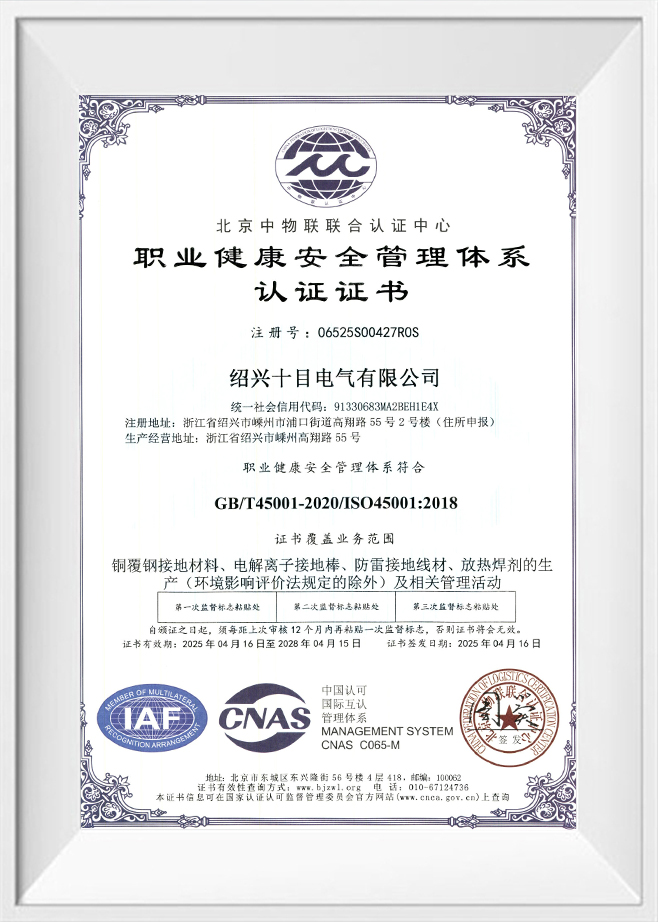
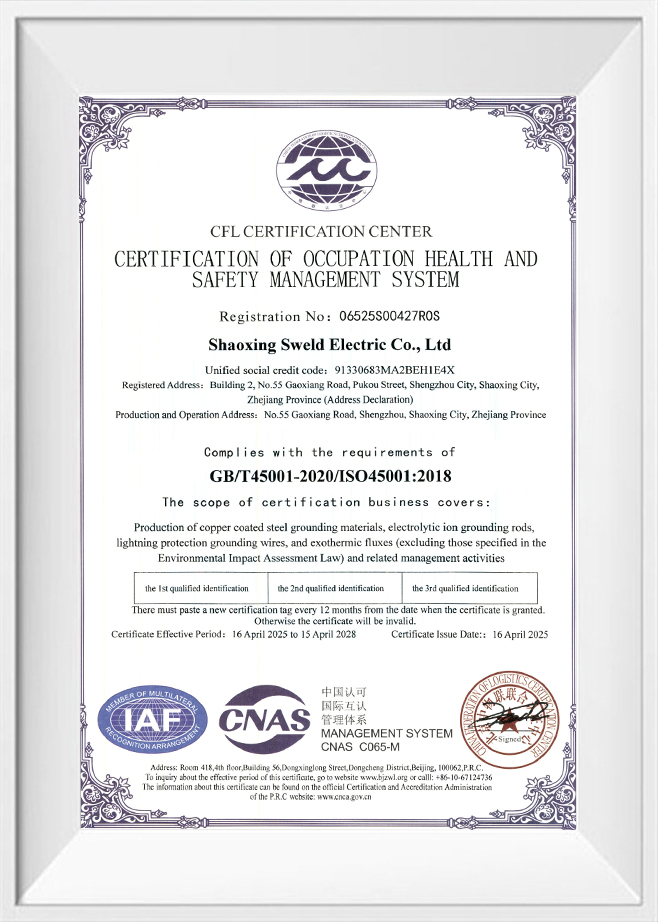
In power distribution equipment and large-scale construction, these rods often serve as the primary structural backbone for heavy grounding systems or high-capacity busbar networks. They must be able to withstand the mechanical stresses of constant thermal cycling as well as the intense magnetic forces generated during high-current fault events. The ISO9001 and ISO45001 certifications maintained by Sweld provide documented proof that the mechanical properties of their rods have been rigorously tested and verified, giving engineers the confidence to design systems that will remain safe and operational for decades.
How Does the Integration of Pure Copper Rods into Exothermic Welding and Grounding Systems Enhance Overall Infrastructure Safety?
In the specialized disciplines of lightning protection and earthing, the Pure Copper Rod is not merely a standalone product; it is a critical link in an integrated safety ecosystem. Shaoxing Sweld Electric Co., Ltd. has established a dominant position in this field by manufacturing not just the conductors, but the entire suite of technologies required to install and maintain them. The technological synergy between high-purity copper rods and advanced exothermic welding creates a permanent, ultra-low-resistance pathway that is essential for the protection of human life and high-value industrial assets.
The Molecular Advantage of Exothermic Welding Synergy
Within a grounding network, the Pure Copper Rod often serves as the central "bus" or junction point where various grounding wires and cables converge. Traditional mechanical joining methods are inherently vulnerable. They can loosen over time due to mechanical vibration, expand and contract at different rates during thermal cycles, and are prone to oxidation that increases contact resistance. Shaoxing Sweld Electric Co., Ltd. addresses this fundamental weakness through their production of 500 tons of high-grade exothermic welding powder annually.
When a Pure Copper Rod is joined to a conductor using Sweld’s exothermic welding process, the connection is no longer a physical contact; it becomes a molecular fusion. The high-speed CNC centers at the Sweld factory produce 180 sets of specialized graphite molds daily, each designed to perfectly encapsulate the specific dimensions of their Pure Copper Rods. During the exothermic reaction, the rod and the connecting conductor are melted and fused into a single, continuous piece of copper. This eliminates interface resistance entirely. Because the resulting joint is composed of the same high-purity material as the rod itself, it is immune to the corrosion and degradation that plague mechanical joints, ensuring that the critical discharge path for lightning or fault currents remains permanently open for the entire lifespan of the structure.
High-Performance Structural Support in Lightning Protection
In lightning rod (air terminal) assemblies, Pure Copper Rods are selected for their combination of vertical height and high conductivity. These rods must be positioned to provide a calculated "zone of protection" while remaining strong enough to resist extreme wind loads and ice accumulation. Shaoxing Sweld Electric Co., Ltd. engineers these rods to serve as the structural and electrical core of these safety systems. A single lightning rod may be required to conduct a current surge exceeding 30,000 Amperes down to the earth in a fraction of a second without fracturing, melting, or losing its structural position.
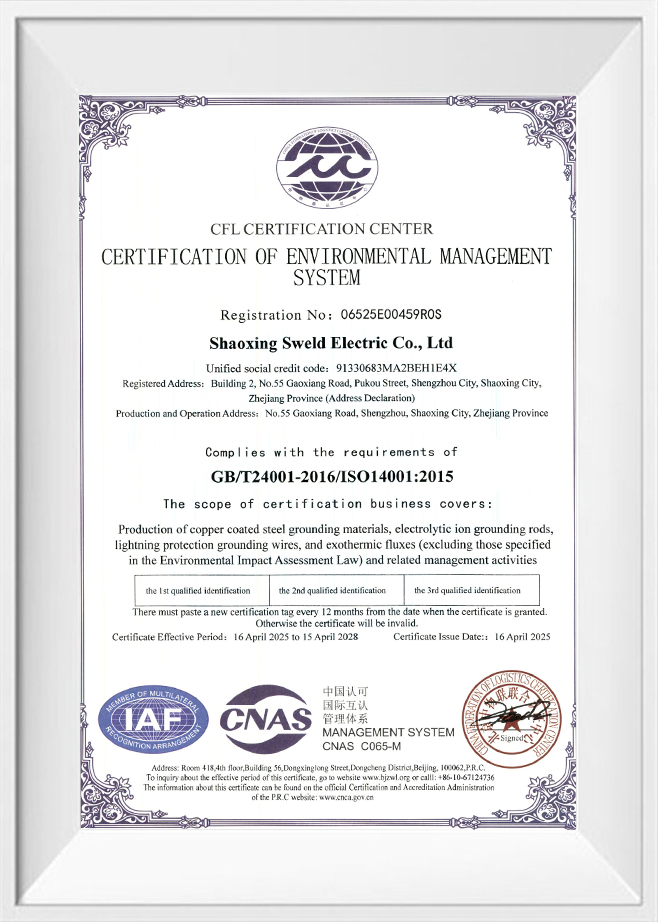
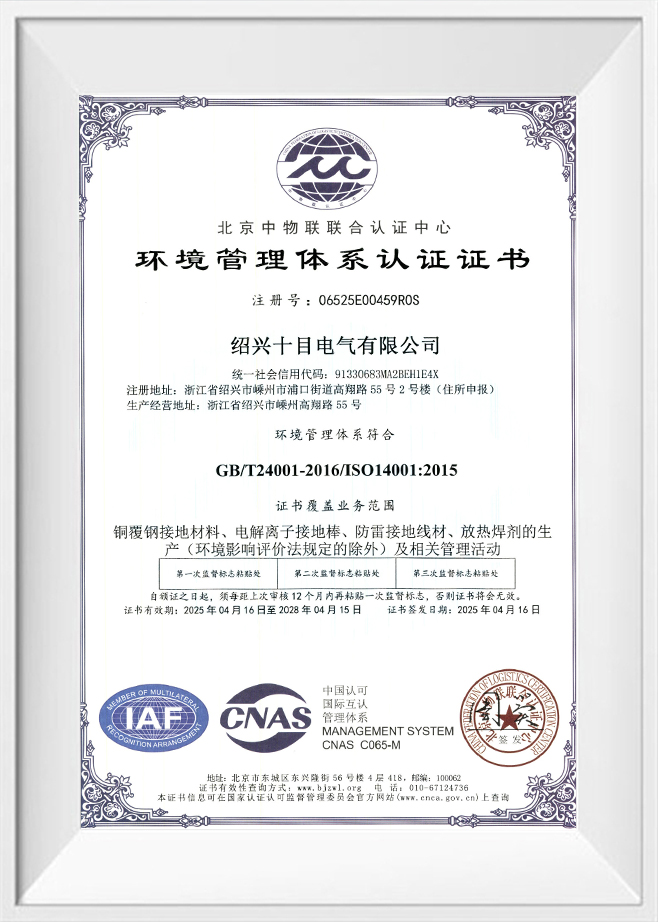
Mechanical strength is paramount in these scenarios. If a lightning rod fails structurally during a severe storm, the entire protection system is rendered useless. Sweld’s professional technical team ensures that each rod’s diameter and temper are precisely matched to the environmental stresses of the installation site. By adhering to ISO14001 and ISO45001 standards, Sweld demonstrates that their safety-critical components are manufactured with a deep commitment to environmental responsibility and occupational health, ensuring that the products used to protect infrastructure are themselves produced under the highest safety frameworks.
Critical Applications in Power Distribution and Heavy Machinery
Beyond the specialized world of grounding, Pure Copper Rods are indispensable in the internal architecture of power transformers and industrial electric motors. In these high-stakes applications, the rod often acts as the primary support for heavy copper windings or as the main terminal for high-current cables. The precision-machined threads and contact flats provided by Sweld’s high-speed CNC centers ensure that these connections are secure and exhibit the low impedance necessary for the overall efficiency of the power grid.
The substantial daily production capacity of the Sweld facility allows large-scale machinery manufacturers to source these essential components in high volumes without the risk of project delays. Whether the application involves a high-speed traction motor for rail transport or a massive generator for a utility-scale power plant, the dimensional consistency and high purity of the Sweld copper rod ensure that the equipment remains within its designed thermal and electrical operating parameters, even under peak load conditions.
Reliability for Global Construction and Infrastructure Projects
In modern architecture and civil engineering, Pure Copper Rods are frequently used for both their functional grounding capabilities and their aesthetic durability as structural supports. In industrial electrical rooms, these rods form the backbone of the grounding busbar system. The fact that Shaoxing Sweld Electric Co., Ltd. holds a special dangerous package certificate for the export of welding powder, along with an export license for their molds, signifies that their products are ready for immediate deployment in high-stakes infrastructure projects anywhere in the world.
The 3000 square meter facility in Shengzhou, Shaoxing, serves as a global hub for this production, successfully bridging the gap between traditional metallurgical craftsmanship and modern CNC engineering. By offering a "complete set" of integrated products—including Ground rods, Ground wire, stranded conductors, and lightning protection hardware—Sweld significantly simplifies the procurement process for contractors. Instead of managing multiple suppliers for rods and connectors, engineering firms can rely on a single, ISO-certified source where every component is designed and tested to work in perfect harmony.
Technical Verification and Design Accuracy
The 50-person technical and sales team at Sweld provides an essential layer of safety through proactive design verification. When a client selects a Pure Copper Rod for a challenging industrial application, Sweld’s experts can provide guidance on the optimal rod size, material purity, and mechanical hardness required. This prevents the common engineering pitfalls of under-engineering (which risks system failure) and over-engineering (which leads to excessive material costs).
By conducting extensive testing in national certification laboratories, Sweld ensures that every batch of rods shipped meets or exceeds the promised specifications. This data-driven manufacturing philosophy is what allows the Pure Copper Rod to successfully fulfill its role as an essential material for efficient conduction, structural support, and high-precision machining. The ability to provide real-time manufacturing molding means that even if a complex infrastructure project requires a non-standard rod geometry to bypass a physical obstruction, Sweld can rapidly produce a solution that preserves the electrical integrity of the grounding system while fitting perfectly within the physical constraints of the site.
Integration in Precision Electronics and High-Power Systems
In the rapidly evolving world of high-power electronics, Pure Copper Rods are often machined into specialized heat sinks and current distribution blocks. As electronic components increase in power density, the challenge of heat management becomes acute. The superior thermal conductivity of the copper rod is used to draw heat away from sensitive power semiconductors and dissipate it into cooling systems.
The exceptional machinability of the rod allows Sweld to create intricate cooling channels or fin structures that maximize the surface area available for heat transfer. This level of precision is only achievable due to the 7 high-speed CNC machining centers and the dedicated technical team at the factory. By guaranteeing that their rods are free from internal defects or inclusions, Sweld ensure that the thermal pathway is uninterrupted, preventing the premature failure of critical electronic systems in telecommunications hubs and massive data centers.