


 English
Basic Definition and Material Composition of Tin-Plated Copper Flat Bar
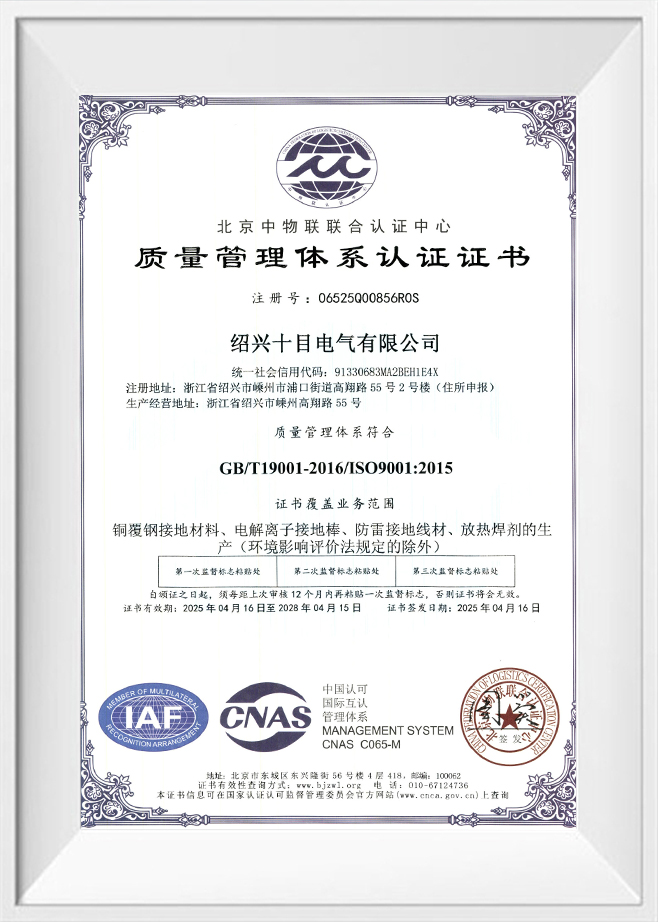
Tin-Plated Copper Flat Bar is an indispensable conductive component in modern electrical engineering. It consists of a high-quality copper bar core covered with a thin layer of tin through specific professional processes. As a specialized manufacturer deeply rooted in the electrical connection field, Shaoxing Sweld Electric Co., Ltd. strictly controls the source quality of every Tin-Plated Copper Flat Bar to ensure superior performance even in extreme environments.
Core Substrate and Purity
The conductive performance of a Tin-Plated Copper Flat Bar primarily depends on its internal copper substrate. We typically utilize T2 purple copper (oxygen-free copper) with a purity of up to 99.9% to ensure the lowest possible resistivity. At the 3,000-square-meter production base of Shaoxing Sweld Electric Co., Ltd., every batch of raw material undergoes rigorous screening to ensure compliance with ISO9001 quality management system standards. High-purity copper provides the Tin-Plated Copper Flat Bar with excellent ductility and conductivity, resulting in minimal heat generation under high current loads.
Tinning Process and Surface Quality
To enhance the chemical stability of the Tin-Plated Copper Flat Bar, surface treatment processes are critical. Shaoxing Sweld Electric Co., Ltd. employs advanced surface treatment lines to ensure a strong bond between the tin layer and the copper substrate:
Electro-tinning: Provides an extremely uniform coating thickness and a smooth surface. Tin-Plated Copper Flat Bar produced via this process is ideal for precision electrical connections requiring high dimensional accuracy, such as integrated circuit busbars.
Hot-dip Tinning: Forms a relatively thick and dense tin layer, providing the Tin-Plated Copper Flat Bar with stronger resistance to mechanical wear. This is particularly suitable for outdoor or highly corrosive industrial environments.
Physical Forms and Specifications
Tin-Plated Copper Flat Bar is usually supplied in long strips and can be processed into various edge shapes based on installation needs. With 7 high-speed CNC machining centers, Shaoxing Sweld Electric Co., Ltd. can achieve precise punching and chamfering while maintaining the integrity of the coating. Whether square edges or full radius edges are required, our Tin-Plated Copper Flat Bar fits perfectly into complex installation spaces.
Parameter Comparison: Tin-Plated Copper Flat Bar vs. Bare Copper Bar
To understand why Tin-Plated Copper Flat Bar is the superior choice, the following table shows the key performance comparison based on laboratory data and long-term feedback from Shaoxing Sweld Electric Co., Ltd.:
| Performance Index | Tin-Plated Copper Flat Bar | Bare Copper Bar |
| Corrosion Resistance | Excellent: Tin layer isolates air to prevent patina | Weak: Surface oxidizes and turns black easily |
| Contact Resistance | Very Stable: Maintains low resistance over time | Degrades: Oxide layers increase contact resistance |
| Solderability | Excellent: High affinity with solder materials | Average: Requires sanding before welding |
| Salt Spray Performance | Superior: Suitable for coastal/polluted areas | Poor: Prone to electrochemical corrosion |
| Aesthetic Retention | Long-term Silver Bright: High environmental resistance | Fades Quickly: Changes color within months |
| Main Environments | High-end switchgear, data centers, EV batteries | Dry, enclosed indoor distribution systems |
Key Advantages: Why Choose Tin-Plated Copper Flat Bar
In power transmission and grounding systems, Tin-Plated Copper Flat Bar demonstrates unparalleled stability due to its dual-layer structure. Shaoxing Sweld Electric Co., Ltd. reinforces the physical and chemical properties of the Tin-Plated Copper Flat Bar by precisely controlling the coating thickness.
Superior Anti-Corrosion and Anti-Oxidation
Bare copper easily forms non-conductive copper oxide or basic copper carbonate (patina) in humid or salty environments. The tin surface of the Tin-Plated Copper Flat Bar effectively isolates air and moisture. Even in industrial zones with heavy acidic gases, the tin layer forms a dense protective film, significantly extending the system's lifespan and preventing open-circuit risks.
Low Contact Resistance and Thermal Stability
Oxide layers are a major cause of increased resistance and local overheating. Since tin oxides remain relatively conductive, the Tin-Plated Copper Flat Bar maintains stable low contact resistance during long-term operation. Shaoxing Sweld Electric Co., Ltd. uses its CNC centers to ensure surface flatness, which, combined with the tin layer, reduces contact heat by approximately 15%-20%.
Enhanced Solderability and Compatibility
In lightning protection projects, Tin-Plated Copper Flat Bar has a natural affinity with exothermic welding. Shaoxing Sweld Electric Co., Ltd. produces 500 tons of exothermic welding powder annually, with formulas optimized for Tin-Plated Copper Flat Bar to ensure 100% electrical continuity. The tin layer acts as a flux during the welding instant, creating a more robust bond.
Prevention of Galvanic Corrosion
When copper bars connect to aluminum terminals, severe galvanic corrosion occurs. As an intermediate layer, the Tin-Plated Copper Flat Bar has an electrode potential between the two, effectively inhibiting the formation of corrosion cells.
Technical Performance Indicators of Tin-Plated Copper Flat Bar
| Technical Parameter | Tin-Plated Copper Flat Bar | Bare Copper Bar | Advantage |
| Salt Spray Test (ASTM B117) | Over 48 to 96 Hours (No oxidation) | Under 12 Hours (Blackening) | Ideal for coastal/high humidity areas |
| Surface Hardness (HV) | 15 to 30 HV (Softer for contact) | 45 to 85 HV (Harder) | Better micro-gap filling for contact |
| Operating Temperature | Stable up to 150 Celsius | Rapid oxidation above 80 Celsius | Higher safety under high loads |
| Material Compatibility | Aluminum, Zinc, Stainless Steel | Limited to Copper and Gold | Reduces multi-metal connection failures |
| Maintenance Cycle | 8 to 10 Years (No cleaning needed) | 1 to 2 Years (Requires sanding) | Lowers O and M costs for data centers |
Main Application Areas of Tin-Plated Copper Flat Bar
Shaoxing Sweld Electric Co., Ltd. provides Tin-Plated Copper Flat Bar for a wide range of high-standard industrial projects.
Power Distribution and Switchgear
In distribution boards and busway systems, Tin-Plated Copper Flat Bar acts as the main artery of current transmission. It withstands the thermal cycling of high-frequency switching operations without the need for frequent maintenance.
Data Centers and Communication Base Stations
Data centers require extremely reliable connections. Tin-Plated Copper Flat Bar is used for signal grounding bars. Its rust resistance ensures a long-term low-impedance path to protect IT equipment from surges.
New Energy: Solar and Electric Vehicles (EV)
In outdoor PV combiner boxes, the tin layer provides a chemical barrier against rain and UV rays. In EV battery packs, the high conductivity and ease of welding make Tin-Plated Copper Flat Bar the ideal cell interconnect busbar.
Lightning Protection Systems
Shaoxing Sweld Electric Co., Ltd. combines Tin-Plated Copper Flat Bar with exothermic welding technology. This integrated solution creates molecular-level fusion, offering extreme durability in damp underground environments compared to traditional mechanical bolts.
Current Carrying Capacity Reference Table
| Size (T x W mm) | Cross Section (sq mm) | Current Capacity (Approx Amps) | Recommended Scenario |
| 3 x 25 | 75 | 230A | Small cabinet grounding |
| 5 x 50 | 250 | 560A | Base station main busbar |
| 10 x 60 | 600 | 1050A | Transformer output bar |
| 10 x 100 | 1000 | 1600A | Data center main distribution |
Processing and Installation Recommendations
Shaoxing Sweld Electric Co., Ltd. utilizes a professional team of over 50 experts to provide standardized guidelines for the Tin-Plated Copper Flat Bar.
Precision Cutting and Punching
Surface flatness affects contact resistance. Shaoxing Sweld Electric Co., Ltd. uses 7 high-speed CNC centers to achieve burr-free cutting, protecting the integrity of the coating. Cold processing is recommended to prevent the tin layer from melting or oxidizing due to excessive heat.
Scientific Bending Techniques
The minimum bending radius for a Tin-Plated Copper Flat Bar should not be less than 1 to 1.5 times the thickness of the bar. Using nylon or rubber pads on bending dies can prevent mechanical damage to the surface.
Exothermic Welding vs. Mechanical Connection
Our factory produces 180 sets of precision molds daily specifically for Tin-Plated Copper Flat Bar connections. Exothermic welding creates a molecular bond that never loosens or corrodes. For mechanical connections, always use tin-plated or stainless steel fasteners to avoid galvanic reactions.
Processing Impact Comparison Table
| Processing Metric | Manual Processing | Sweld CNC Precision Processing | System Impact |
| Edge Smoothness | High risk of burrs | +/- 0.05mm high precision | Reduces discharge risks |
| Coating Adhesion | Risk of peeling | Uniform pressure, no peeling | Maintains corrosion resistance |
| Bending Micro-cracks | Common | Strictly regulated (None) | Prevents moisture ingress |
| Contact Resistance | Higher | Extremely Low (Mirror grade) | Lower temperature rise |
FAQ
Does the tinning thickness significantly affect conductivity?
A: No. While tin is less conductive than copper, the layer is only 3 to 12 microns thick. Current flows through the copper core, and the tin layer actually improves long-term efficiency by preventing resistive oxidation at connection points.
How long can it last in coastal salt spray environments?
A: Bare copper corrodes in weeks, but Tin-Plated Copper Flat Bar from Shaoxing Sweld Electric Co., Ltd. passes 48-hour salt spray tests and typically lasts 15 to 20 years in the field.
Do I need to remove the tin layer before exothermic welding?
A: No. Shaoxing Sweld Electric Co., Ltd. welding powder is formulated so that the tin layer melts and integrates into the molecular bond during the reaction, ensuring a superior connection.
Does it meet environmental and safety standards?
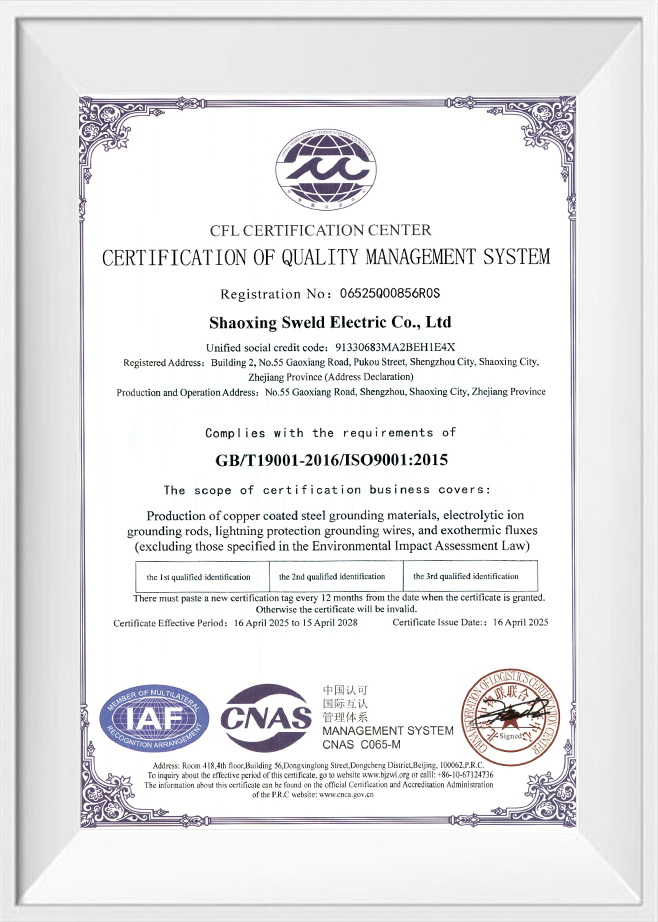
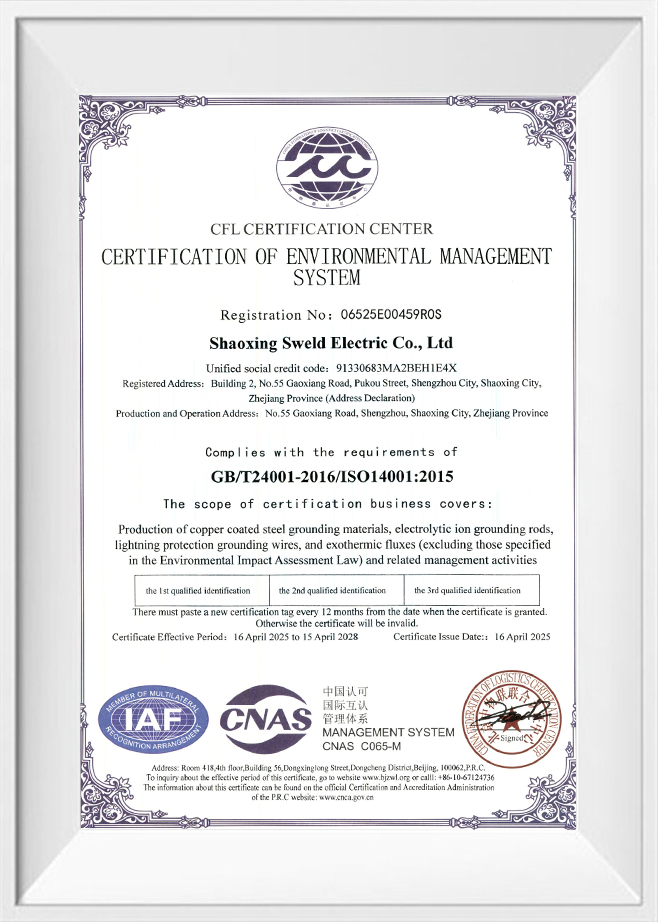
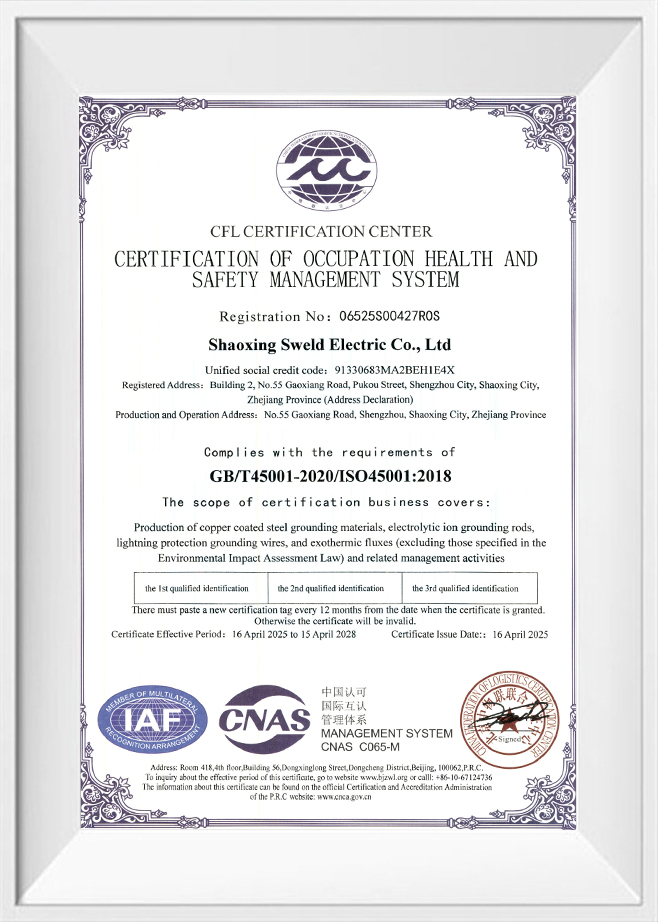
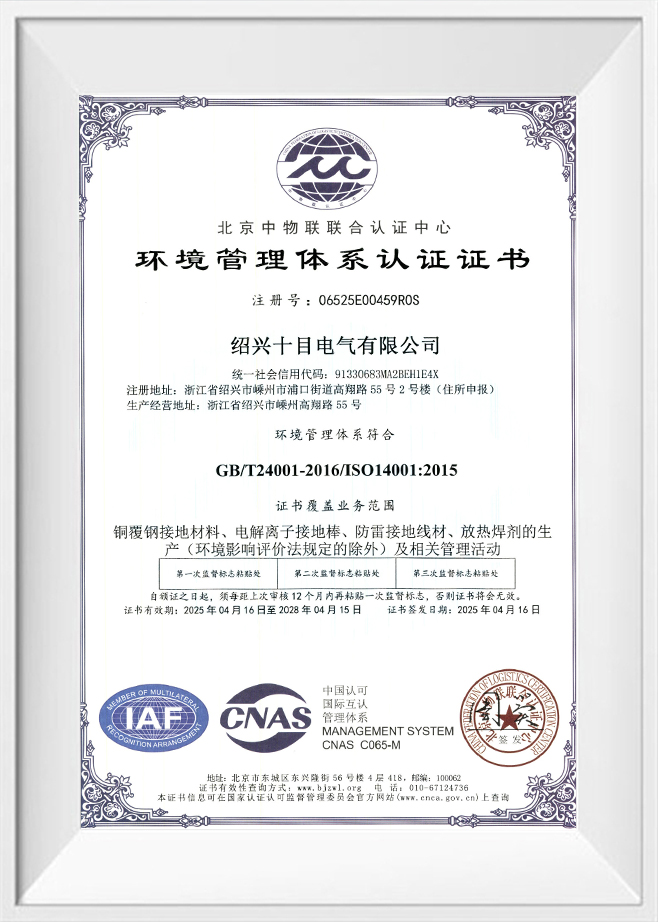
A: Yes. Our production follows ISO14001 and ISO45001. All Tin-Plated Copper Flat Bar products are tested by national laboratories for safety and environmental compliance.
Performance by Coating Thickness
| Coating Grade | Thickness (microns) | Corrosion Resistance | Recommended Environment |
| Standard | 3 to 5 | Moderate | Dry indoor switchgear |
| Industrial | 6 to 10 | High | Base stations, PV boxes |
| Enhanced | Over 12 | Extremely High | Offshore wind, chemical plants |