


 English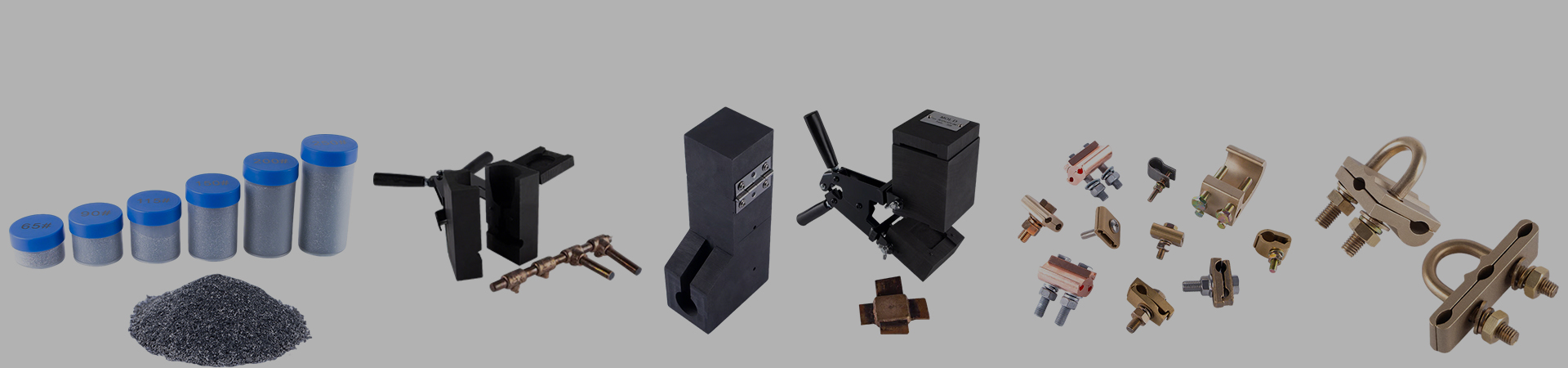
Why Is Copper-Clad Steel Used Extensively in Grounding Systems Instead of Pure Copper?
Material Selection as a Core Consideration in Grounding Design
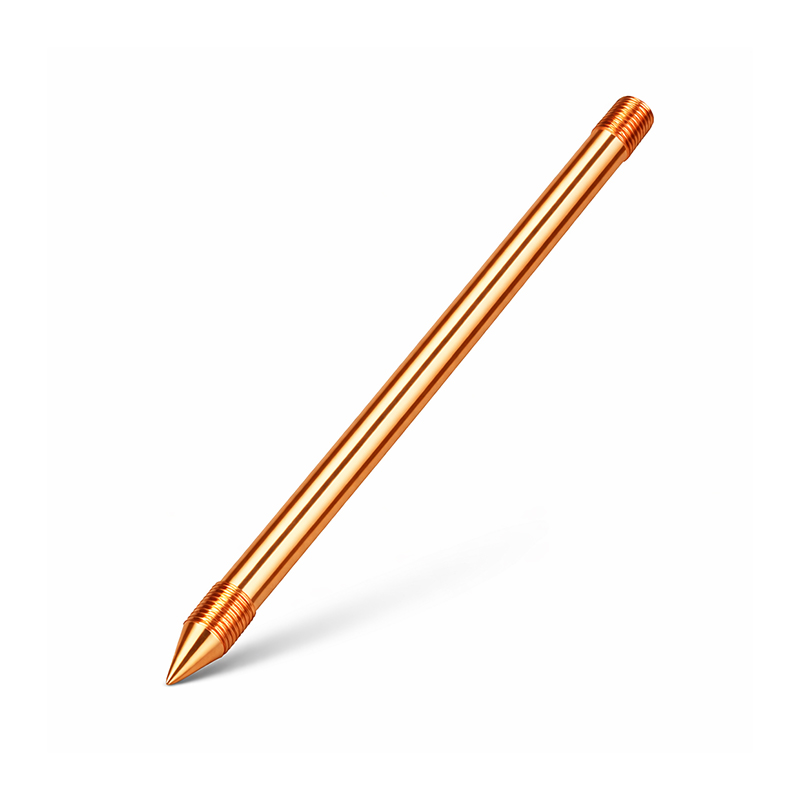
The effectiveness of a grounding system depends not only on layout and installation depth, but also on the materials used for ground rods, conductors, and connection points. Copper and steel are the two most common base materials considered for grounding components. While pure copper offers high electrical conductivity, copper-clad steel has become widely used in grounding systems across utility, industrial, and infrastructure projects. This preference is driven by a balance of electrical performance, mechanical behavior, environmental adaptation, and overall system reliability.
Electrical Performance in Typical Grounding Conditions
In grounding systems, the primary purpose of a conductor or ground rod is to dissipate fault current and lightning current into the earth. Unlike power transmission conductors, grounding components do not carry continuous current during normal operation. The outer copper layer of copper-clad steel provides sufficient surface conductivity for current dissipation, especially under high-frequency lightning conditions where current tends to flow near the surface of the conductor. As a result, copper-clad steel can meet the electrical performance requirements of most grounding applications without relying on a solid copper core.
Mechanical Strength and Installation Behavior
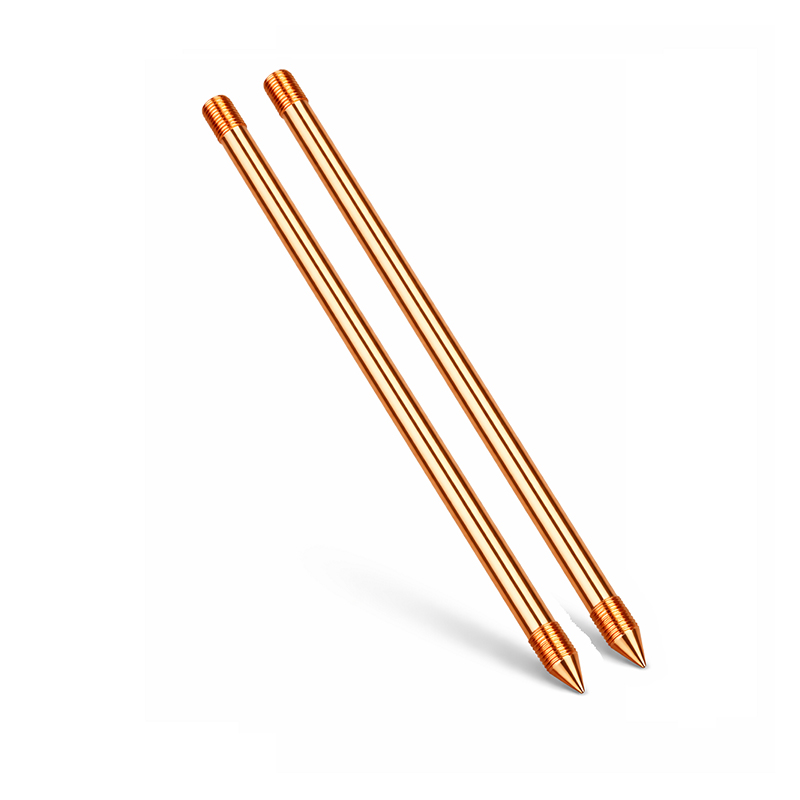
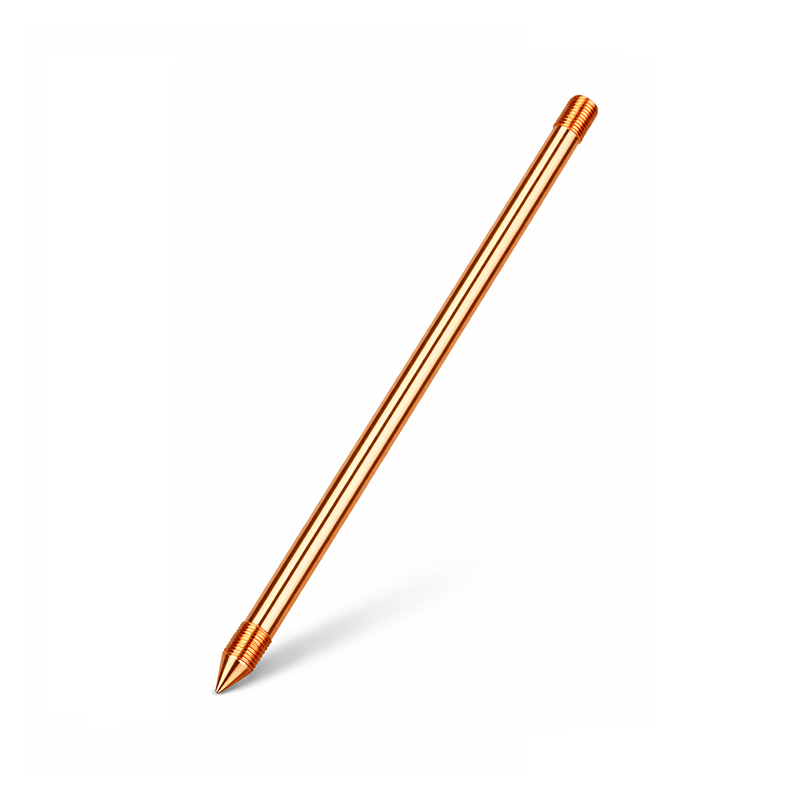
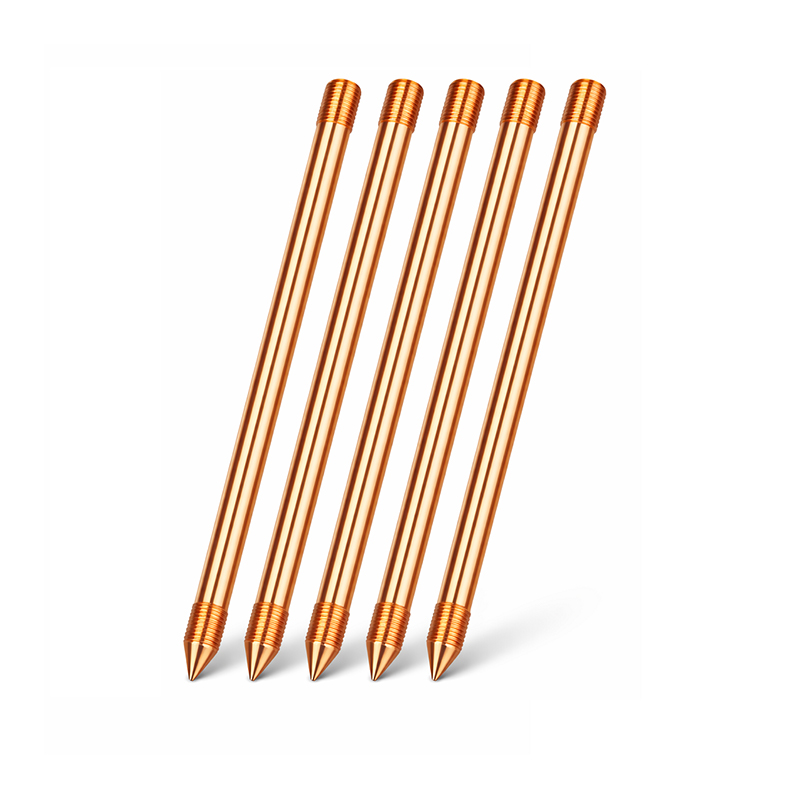
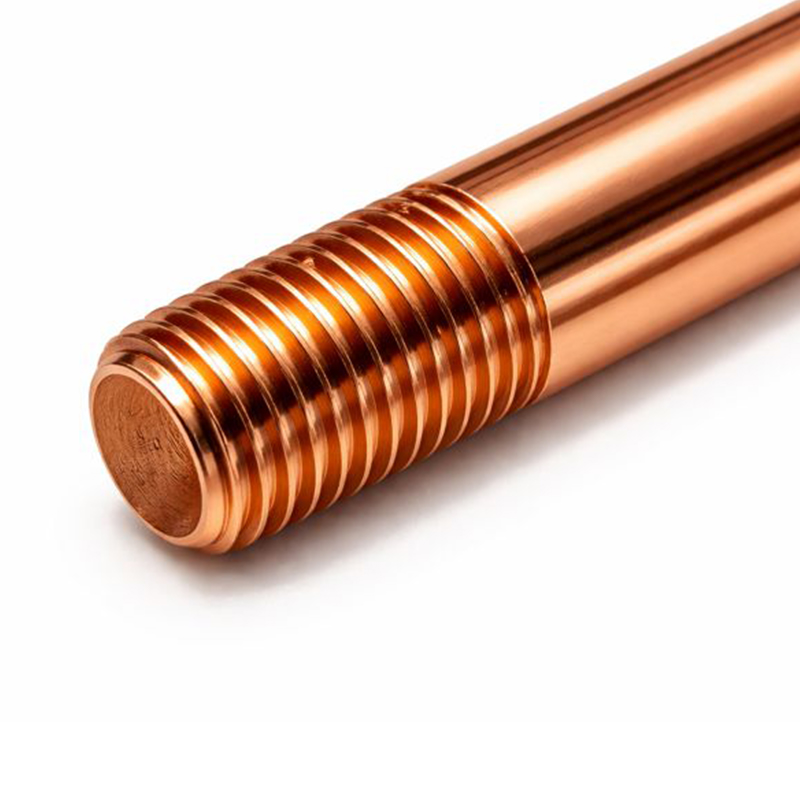
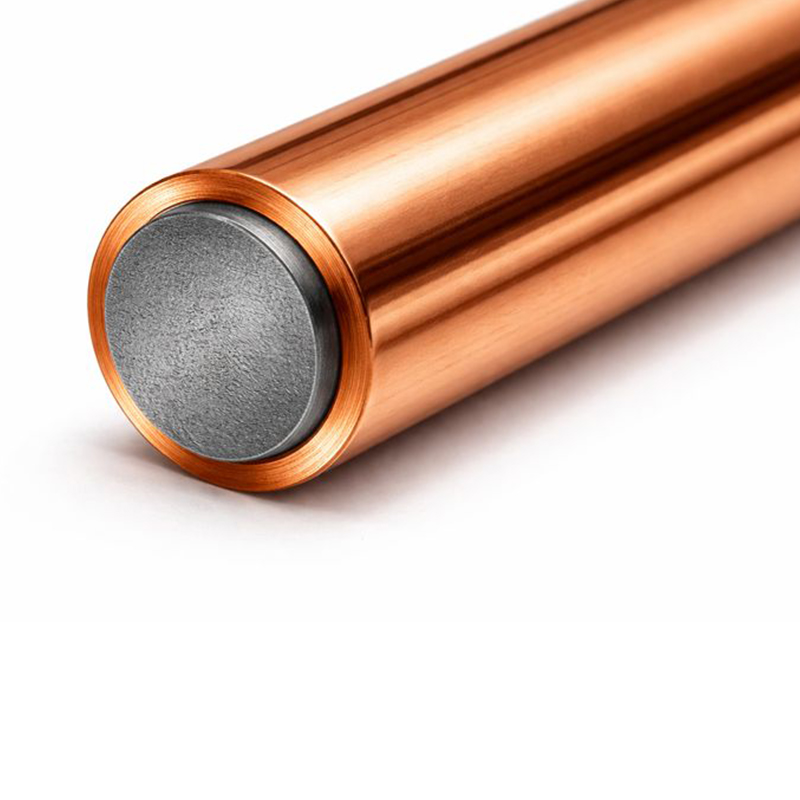
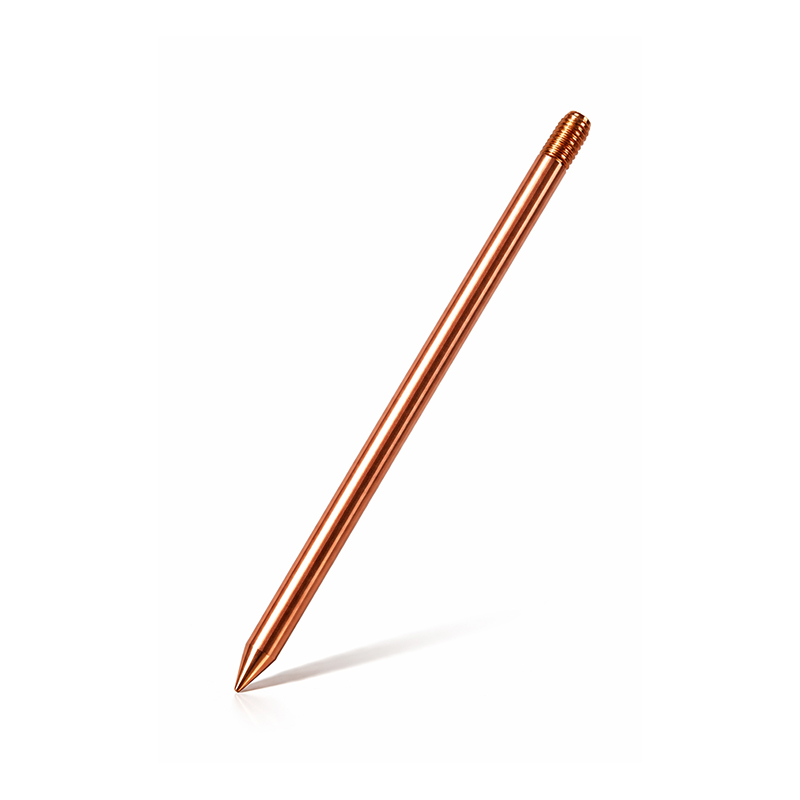
Ground rods are often installed by driving them into soil, rock, or compacted ground using mechanical or hydraulic equipment. Pure copper, being relatively soft, can deform or bend during installation, particularly in hard or uneven soil conditions. Steel, on the other hand, provides higher tensile strength and rigidity. Copper-clad steel combines a steel core with a bonded copper layer, allowing the rod to withstand driving forces while maintaining a conductive outer surface. This mechanical advantage makes copper-clad steel ground rods suitable for a wider range of soil conditions and installation methods.
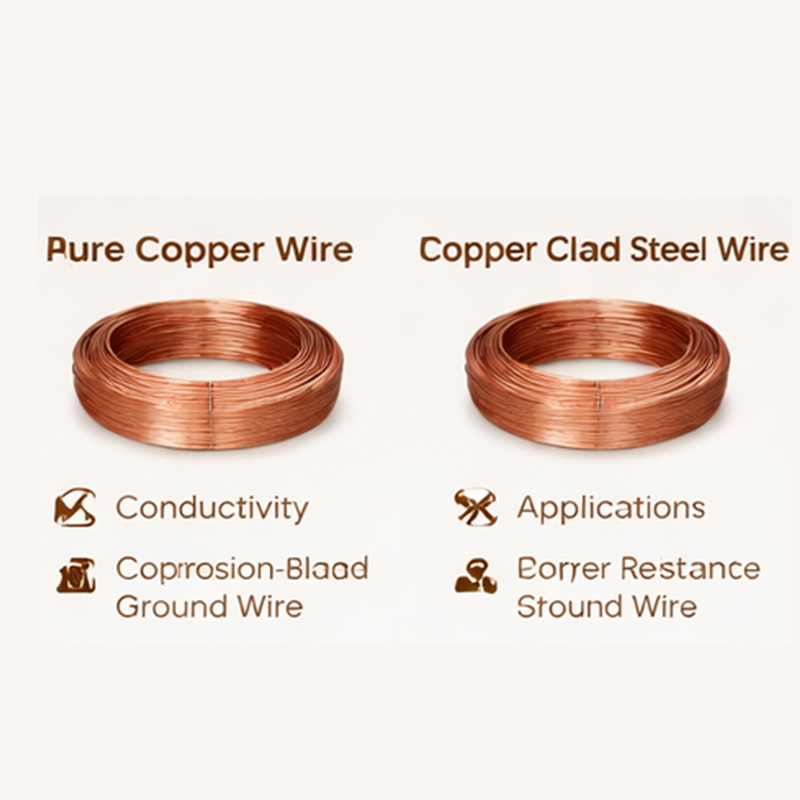
| Property | Pure Copper | Copper-Clad Steel |
| Electrical conductivity | High | Conductive copper surface |
| Mechanical strength | Lower | Higher due to steel core |
| Installation resistance | More prone to deformation | Better resistance to bending |
Cost Structure and Material Efficiency
Material cost is an important factor in large-scale grounding projects, where hundreds or thousands of ground rods may be required. Pure copper rods involve a high volume of copper, which can significantly affect project budgets. Copper-clad steel uses copper more efficiently by concentrating it on the surface where it contributes most to electrical performance. The steel core reduces overall material cost while still meeting grounding requirements. This cost structure supports broader adoption in utility-scale and infrastructure projects without compromising functional expectations.
Corrosion Behavior in Soil Environments
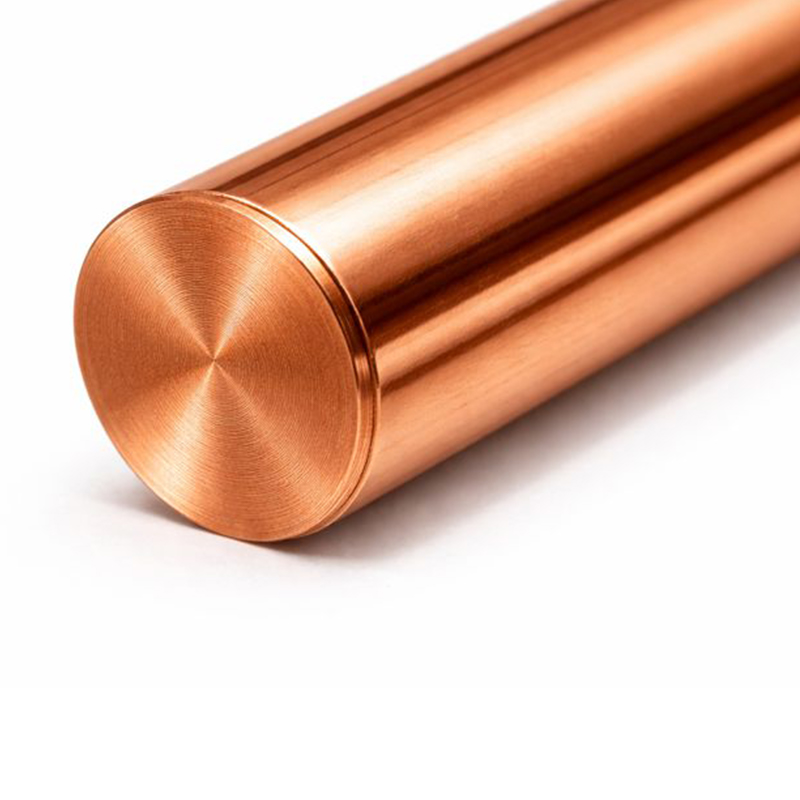
Grounding components are continuously exposed to soil moisture, minerals, and varying pH levels. The copper layer on copper-clad steel provides corrosion resistance similar to that of pure copper when the cladding is properly bonded and of sufficient thickness. The metallurgical bond between copper and steel ensures that the cladding does not peel or separate during installation or service. In many soil conditions, copper-clad steel exhibits stable long-term behavior comparable to pure copper, which contributes to its widespread acceptance.
Compatibility with Exothermic Welding and Connection Methods
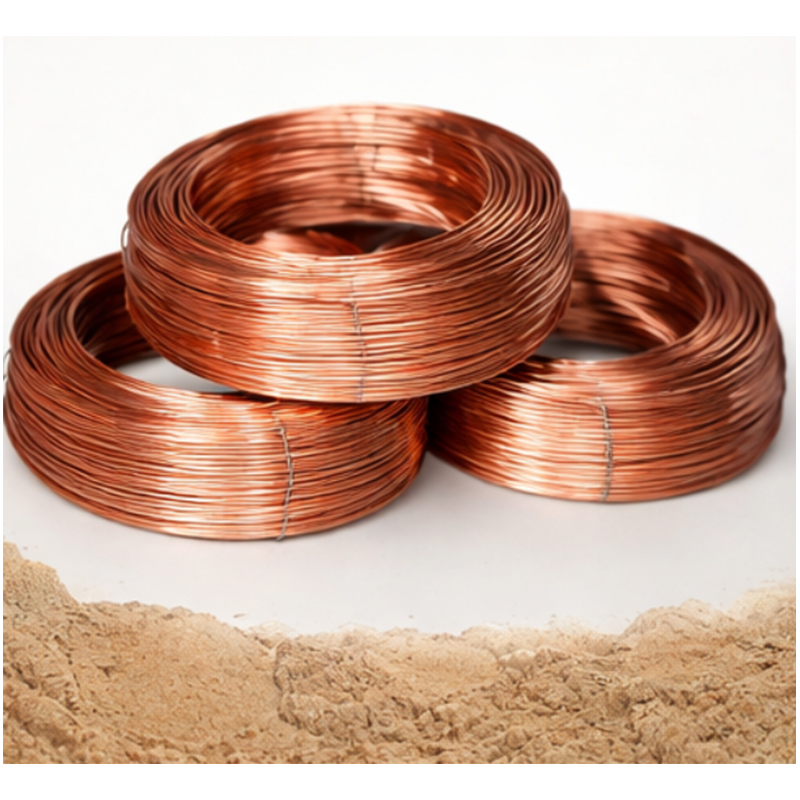
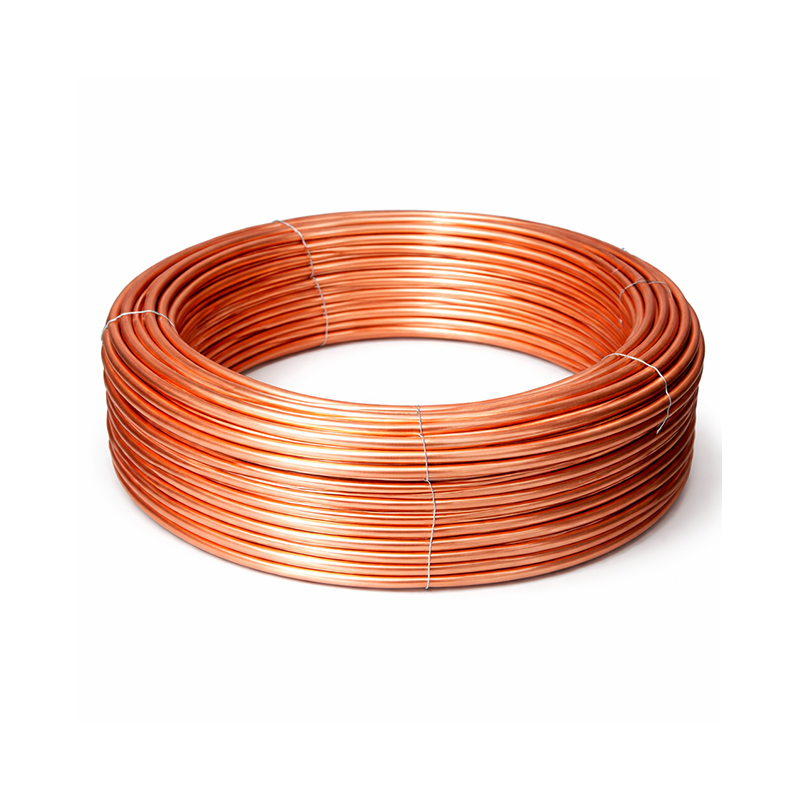
Grounding systems often rely on exothermic welding to connect ground rods, grounding wires, stranded conductors, and lightning protection components. Copper-clad steel is compatible with commonly used exothermic welding materials and molds, allowing reliable copper-to-steel bonding at the connection point. With proper welding powder formulation and mold design, the welded joint integrates the copper surface of the rod with the grounding conductor, forming a stable conductive path. This compatibility supports the use of copper-clad steel in systems where permanent connections are required.
Performance Under Fault Current and Lightning Conditions
During fault events or lightning strikes, grounding components experience high current over a short duration. The steel core of a copper-clad steel rod provides structural stability under thermal and mechanical stress, while the copper surface conducts current into the surrounding soil. The distribution of current along the surface aligns with the physical behavior of transient electrical phenomena, making copper-clad steel suitable for both power fault and lightning protection applications.
| Application Aspect | Pure Copper Rod | Copper-Clad Steel Rod |
| Fault current dissipation | Effective | Effective |
| Lightning current behavior | Surface conduction | Surface conduction |
| Structural stability | Limited in hard soil | Improved stability |
Standard Acceptance and Industry Practice
Many grounding and lightning protection standards allow or recommend copper-clad steel ground rods as an alternative to pure copper, provided that the cladding thickness and bonding quality meet specified requirements. Industry practice has evolved based on field experience, installation efficiency, and long-term performance data. As a result, copper-clad steel has become a common material choice in grounding system design across different regions and project types.
The Role of Integrated Grounding Product Supply
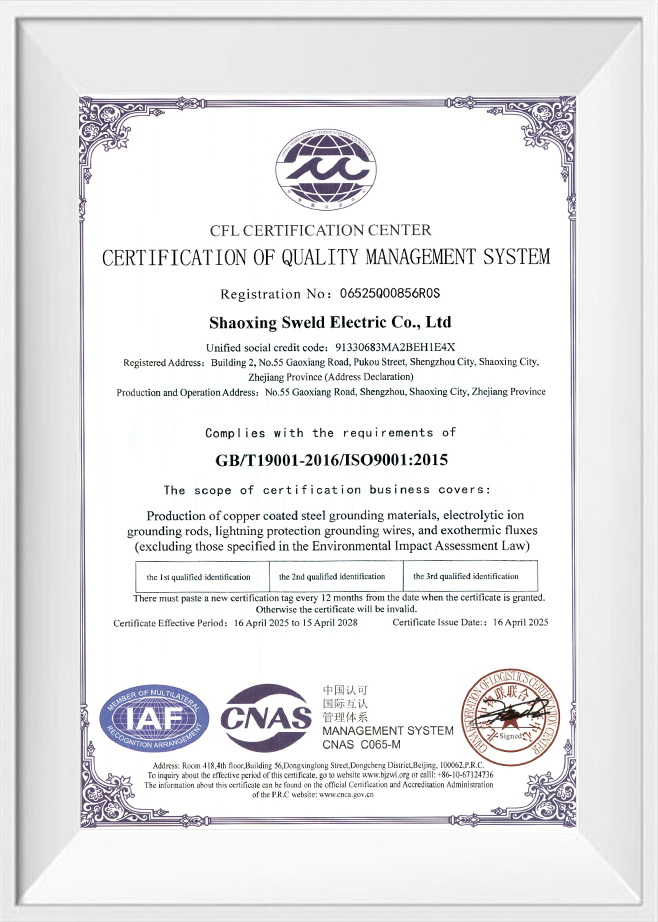
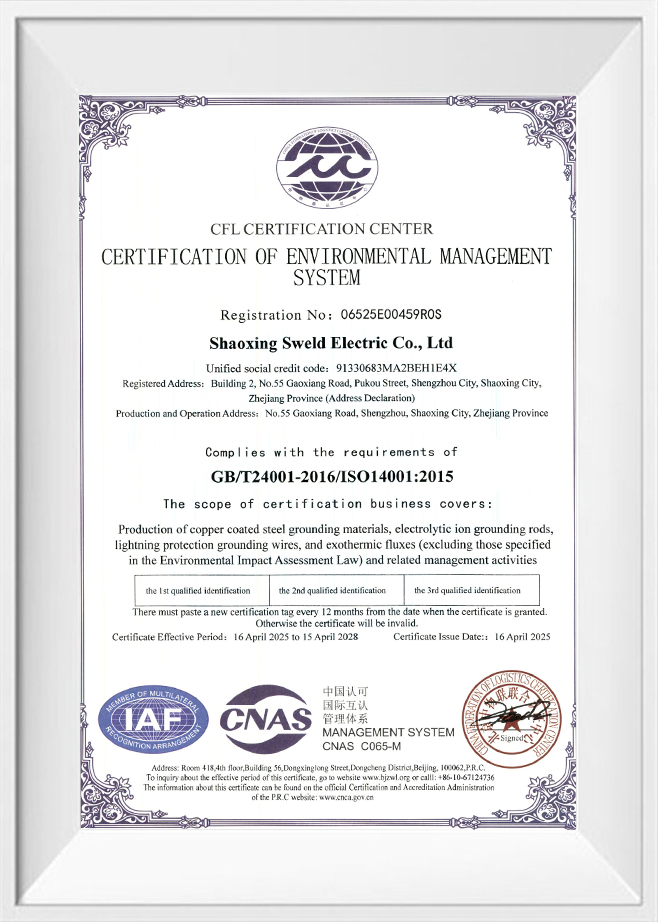
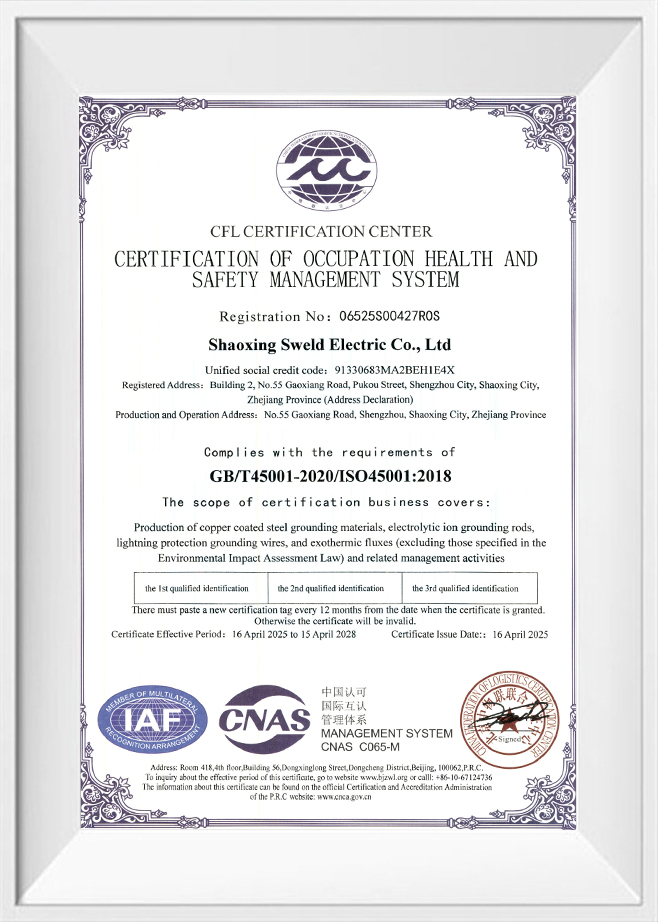
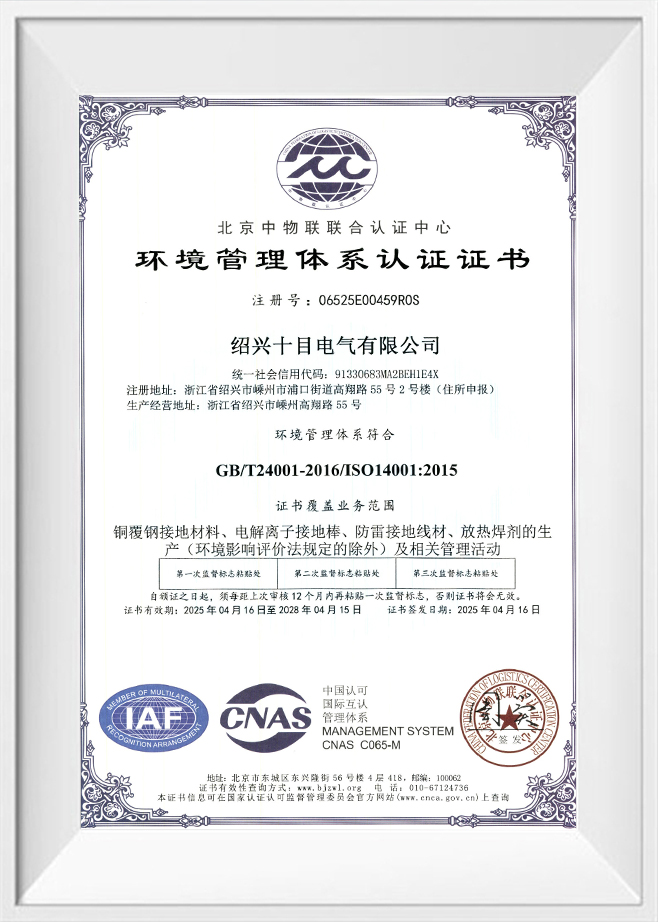
Grounding projects often require coordinated supply of ground rods, grounding wires, stranded conductors, electrical connection parts, and exothermic welding materials. Manufacturers such as Shaoxing Sweld Electric Co., Ltd. support these projects by providing copper-clad steel ground rods alongside compatible exothermic welding powder, molds, and related components. With stable production capacity, multiple packaging solutions, and CNC-machined molds designed for different rod and conductor sizes, such integrated supply helps ensure that material selection aligns with system design and installation requirements.
Balancing Electrical Needs, Mechanical Demands, and Project Constraints
The widespread use of copper-clad steel in grounding systems reflects a balance between electrical performance, mechanical strength, environmental adaptation, and cost considerations. While pure copper remains a valid option in certain applications, copper-clad steel addresses many practical challenges encountered in real-world installations. Understanding these factors helps engineers and project planners make informed material choices based on system objectives rather than relying on conductivity alone.
FAQ
Q: Why is copper-clad steel commonly selected for ground rods in large grounding projects?
A: Copper-clad steel is commonly selected because it combines the surface conductivity of copper with the mechanical strength of steel. This allows ground rods to be driven into a wide range of soil conditions while maintaining reliable electrical contact with the surrounding earth, which is particularly important in large-scale grounding installations.
Q: How does copper-clad steel perform in corrosive soil environments?
A: In many soil conditions, the copper layer of copper-clad steel provides corrosion resistance similar to that of pure copper. When the copper cladding is metallurgically bonded to the steel core and has sufficient thickness, it helps protect the core from soil moisture and chemical exposure during long-term service.
Q: Is copper-clad steel compatible with exothermic welding connections?
A: Yes, copper-clad steel is widely compatible with exothermic welding. The copper surface of the rod can be reliably bonded to grounding conductors using suitable welding powder and matched molds, forming a stable metallurgical connection that supports long-term grounding performance.
Q: What advantages does copper-clad steel offer during ground rod installation?
A: The steel core provides higher rigidity and impact resistance compared to pure copper. This reduces the likelihood of bending or deformation when ground rods are driven into hard or compacted soil, helping maintain installation efficiency and dimensional accuracy.
Q: How does copper-clad steel affect grounding system cost planning?
A: By using copper efficiently on the surface where conductivity is needed, copper-clad steel reduces the overall amount of copper required. This material structure helps control project costs in grounding systems that require a large number of ground rods without compromising functional requirements.
Q: Can copper-clad steel be used in lightning protection systems?
A: Copper-clad steel is commonly used in lightning protection systems where grounding components must handle high impulse currents. The copper surface supports current dissipation, while the steel core maintains structural stability during installation and service.
Q: How does a complete grounding product supply support the use of copper-clad steel?
A: A complete grounding product supply, including copper-clad steel ground rods, grounding wire, stranded conductors, electrical connection parts, and exothermic welding materials, allows system designers to ensure compatibility between components. Suppliers such as Shaoxing Sweld Electric Co., Ltd. support this approach by providing coordinated products and welding solutions matched to different grounding configurations.