


 English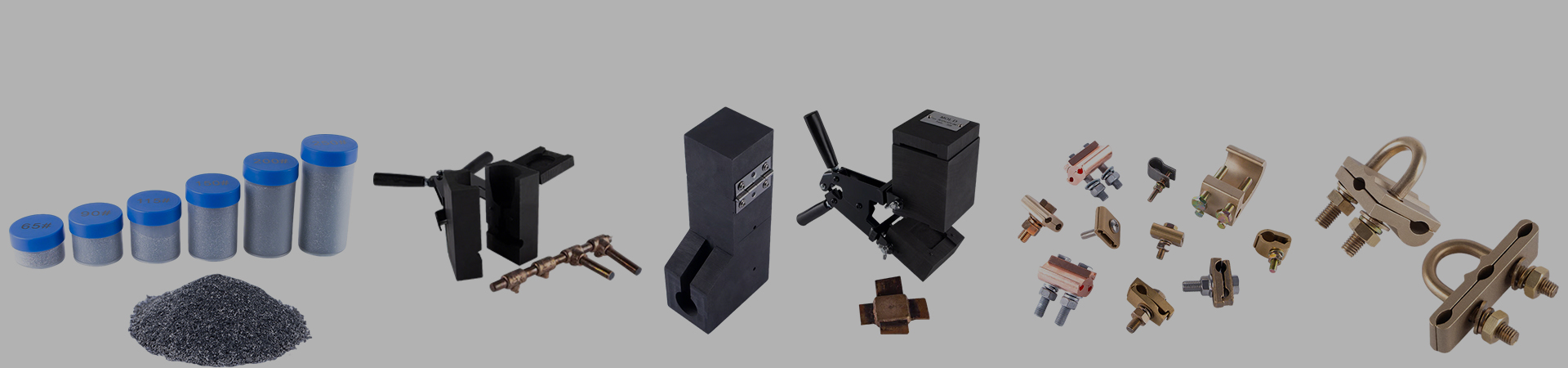
Copper-Clad Steel Flat Bars represent a specialized evolution in composite conductor design, specifically engineered to provide a high-surface-area solution for heavy-duty grounding grids and industrial electrical protection. By integrating a structural steel core with a high-conductivity copper cladding in a flat, rectangular profile, these bars solve the traditional engineering conflict between mechanical rigidity and electrical efficiency. As infrastructure projects scale in complexity—particularly in substations and large-scale industrial plants—the Flat Bar profile has emerged as a superior alternative to round conductors for applications requiring maximum contact surface and ease of structural mounting.
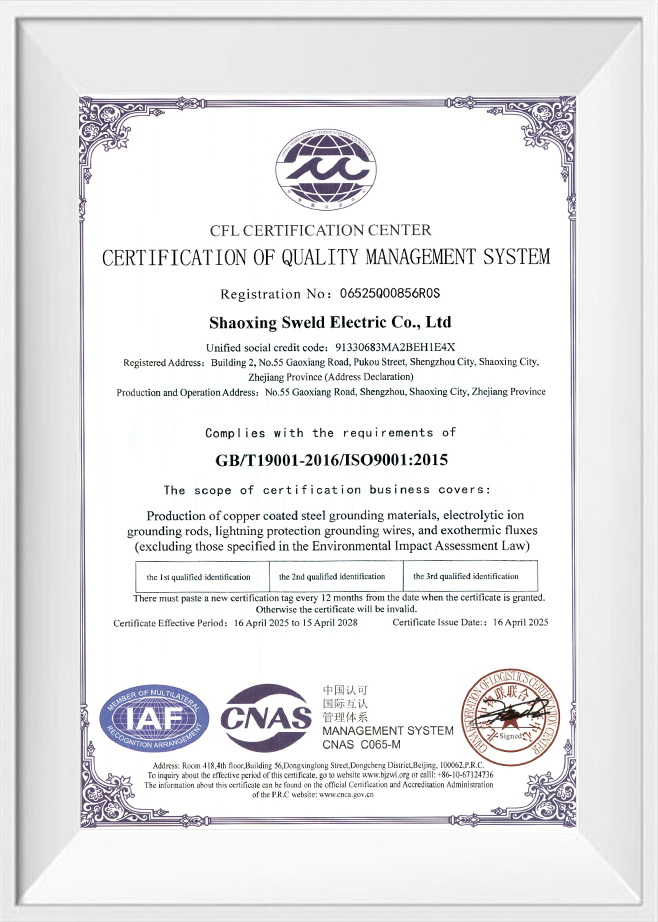
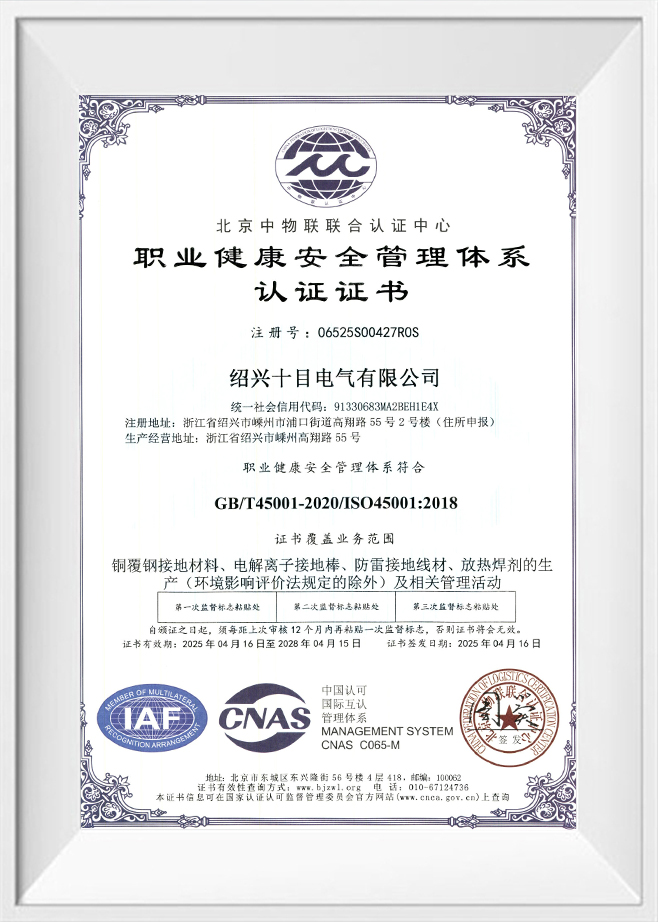
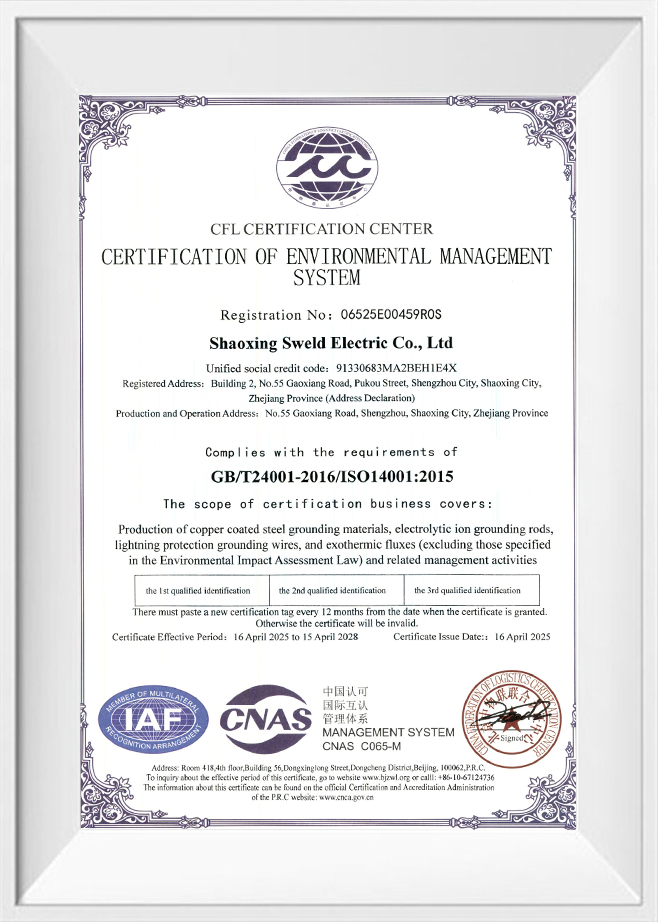
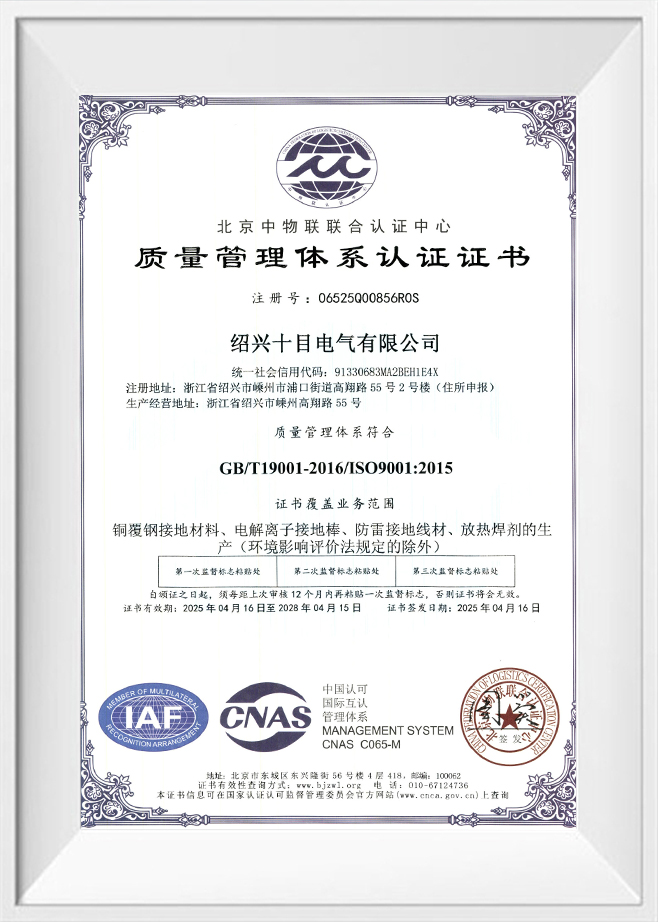
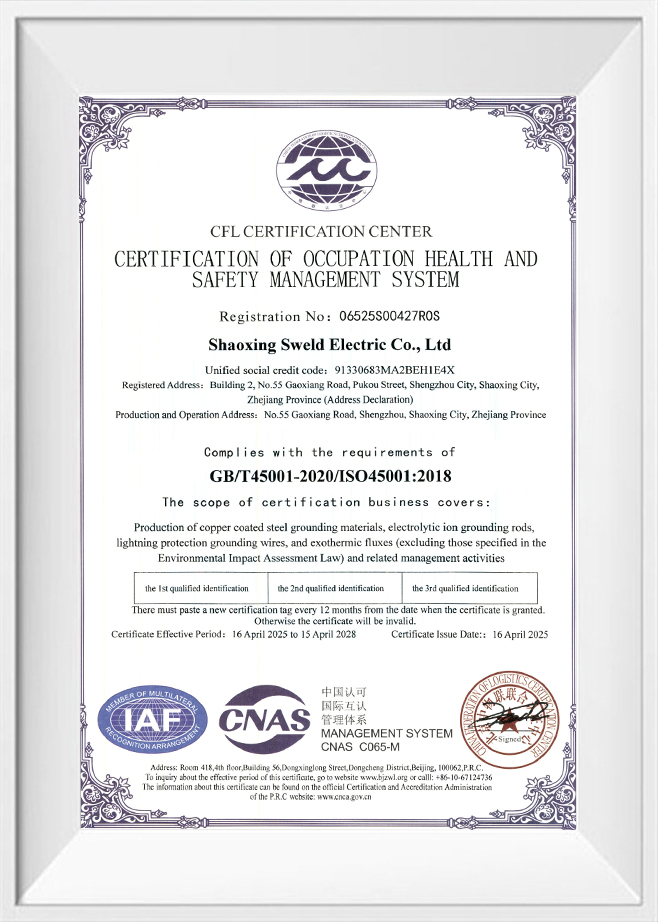
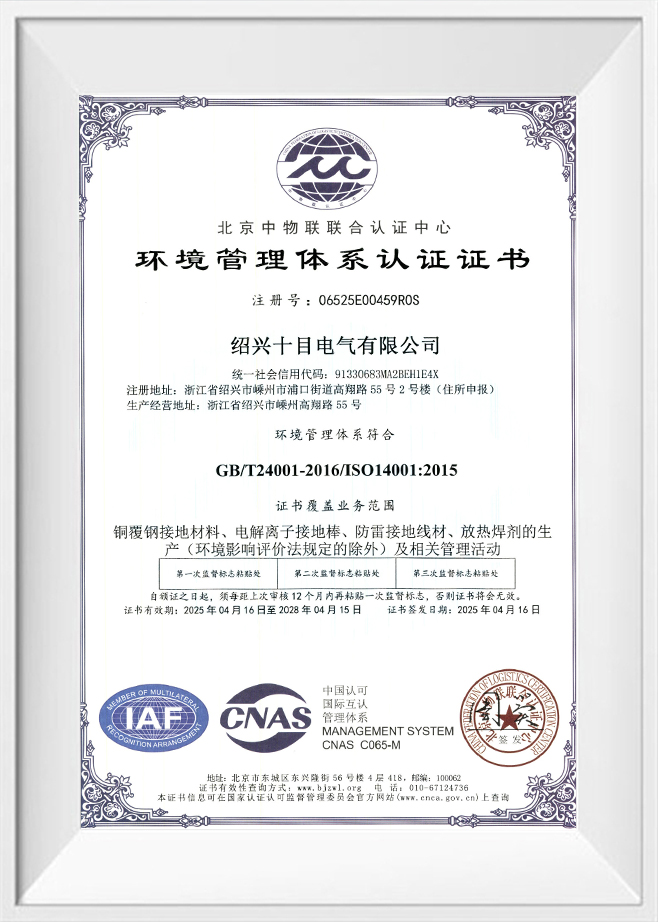
The competitive edge of Shaoxing Sweld Electric Co., Ltd. within the grounding industry stems from its specialized manufacturing integration and technical precision. By leveraging 7 high-speed CNC machining centers, Sweld transcends standard material supply by providing real-time, custom-engineered design and molding services that ensure Copper-Clad Steel Flat Bars interface perfectly with complex substation layouts. Their technical advantage is further solidified by a massive 500-ton annual production capacity of exothermic welding powder, positioning the company as a "single-source" solution provider that guarantees chemical compatibility between conductors and joints. This vertically integrated expertise, validated by ISO9001, ISO14001, and ISO45001 certifications, allows Sweld to deliver high-performance composite systems that consistently exceed the mechanical and electrical benchmarks of national laboratory testing and demanding global export standards.
How Does the Structural Geometry and Metallurgical Composition of Copper-Clad Steel Flat Bars Optimize Electrical Surface Conductivity?
The primary technical motivation for utilizing a flat profile over a round one in grounding systems is the optimization of surface area relative to cross-sectional mass. In Copper-Clad Steel Flat Bars, this geometric advantage is enhanced by the metallurgical bonding process, creating a conductor that excels in both low-frequency fault current distribution and high-frequency impulse dissipation.
Maximizing Surface Area for Enhanced Grounding Efficiency
In the science of grounding, the resistance of an electrode is largely a function of its contact area with the surrounding soil. Copper-Clad Steel Flat Bars provide a significantly larger perimeter for the same cross-sectional area compared to round wires or rods. This increased "earth-contact" footprint allows for more efficient dissipation of electrical energy into the ground. Shaoxing Sweld Electric Co., Ltd. manufactures these bars with precise dimensional control, ensuring that the flat surfaces provide a uniform interface for soil moisture and electrolytes, which helps in maintaining a stable grounding resistance even in seasonally dry conditions.
The flat design is particularly beneficial for high-frequency discharges, such as those associated with lightning strikes. High-frequency currents tend to migrate toward the outer edges of a conductor—a phenomenon often referred to as the skin effect. The elongated perimeter of a flat bar provides a more "available" surface for these rapid impulses to travel along the high-purity copper cladding, reducing the overall impedance of the lightning protection path.
The Integrity of the Molecular Cladding Process
The effectiveness of a Copper-Clad Steel Flat Bar is entirely dependent on the quality of the bond between the copper layer and the steel core. Unlike inferior products that might use a simple mechanical wrap or thin plating, Shaoxing Sweld Electric Co., Ltd. utilizes advanced composite processes to achieve a dense and uniform copper layer. This molecular bond ensures that there is no air gap or potential for moisture ingress between the two metals.
A dense copper layer is essential because it serves as the primary path for current while protecting the steel core from oxidation. If the cladding were to be porous or poorly bonded, the internal steel would eventually corrode, leading to an expansion of the core and a subsequent "bursting" of the copper skin. Sweld’s adherence to ISO9001 quality management ensures that their flat bars possess a consistent copper thickness across the wide flat faces and the critical edge corners, where stresses are often highest during installation and bending.
Mechanical Support and Impact Resilience
While the copper provides the electrical path, the steel core provides the mechanical backbone. Industrial environments—such as power plants and heavy manufacturing facilities—subject grounding conductors to significant physical stress, including vibrations from machinery and potential mechanical impacts during maintenance or construction. The high-carbon steel used in Sweld's flat bars offers superior tensile strength and impact resistance compared to solid copper bars.
This mechanical support allows the flat bars to act as structural elements within a grounding grid, maintaining their shape and position even when buried under heavy backfill or subjected to the movement of heavy vehicles overhead. The rigidity of the steel core prevents the conductor from "creeping" or stretching over time, which is a common failure mode for pure copper bars in high-tension or high-vibration settings.
How Do Copper-Clad Steel Flat Bars Facilitate Installation Adaptability and Corrosion Resistance in Hostile Environments?
The practical utility of a conductor is measured by how easily it can be integrated into a construction project and how long it remains functional without intervention. Copper-Clad Steel Flat Bars are uniquely designed to simplify the installation process while providing a permanent barrier against environmental degradation.
Versatile Workability and Geometric Adaptability
The flat design of the Copper-Clad Steel Flat Bar is intentionally engineered for superior "workability." During the construction of a substation grounding grid, conductors must often be bent at 90-degree angles to follow the perimeter of foundations or to rise up for connection to equipment frames. Shaoxing Sweld Electric’s flat bars can be easily bent along their wide axis without compromising the integrity of the copper cladding.
Because the bond is metallurgical, the copper does not flake or crack at the bend points. This flexibility allows installers to secure the bars tightly against flat surfaces, such as walls or the sides of concrete footers, using standard hardware. This adaptability reduces the labor time required for installation and ensures a more aesthetically organized and physically secure grounding system compared to the "springy" nature of large-diameter round wires.
Corrosion Defense in Aggressive Soil Chemistries
Grounding bars are often buried in soils that are chemically aggressive, containing high concentrations of sulfates, chlorides, or nitrates. Traditional galvanized steel bars rely on a sacrificial zinc coating that eventually disappears, leaving the steel vulnerable to rapid rust. Copper-Clad Steel Flat Bars, however, utilize copper’s natural position on the galvanic series to provide a "barrier" defense.
The copper layer on Sweld’s products is engineered to be thick and non-porous, preventing the steel core from ever coming into contact with the corrosive soil environment. In coastal areas or industrial zones with high salt spray, the copper develops a protective patina that further stabilizes the material. By passing national certification laboratory testing, Sweld ensures that their flat bars can withstand decades of burial without significant loss of cross-section or electrical conductivity, a crucial requirement for critical infrastructure safety.
Enhanced Contact Area for Secure Connections
A grounding system is only as reliable as its connection points. The flat profile of these bars provides a superior mating surface for both mechanical clamps and exothermic welding. When connecting a flat bar to a ground rod or another conductor, the large flat surface area allows for a broader contact zone, which significantly reduces "contact resistance."
Lower contact resistance means that during a fault event, the heat generated at the connection point is minimized, reducing the risk of joint failure. Shaoxing Sweld Electric Co., Ltd. capitalizes on this by offering a complete set of connection hardware and exothermic welding solutions that are specifically designed for flat bar geometry. Their 7 high-speed CNC machining centers allow them to produce graphite molds that perfectly encapsulate the flat bar profile, ensuring a high-quality, molecularly fused joint every time.
|
Performance Characteristic |
Copper-Clad Steel Flat Bar (Sweld) |
Solid Copper Flat Bar |
Galvanized Steel Flat Bar |
|---|---|---|---|
|
Primary Current Path |
High-Purity Copper Skin |
Entire Cross-Section |
Surface Zinc (Limited) |
|
Structural Backbone |
High-Strength Steel |
Soft Copper |
Steel |
|
Bonding Mechanism |
Molecular / Metallurgical |
Monolithic |
Mechanical Coating |
|
Contact Resistance |
Very Low (High Surface Area) |
Very Low |
High (Due to Oxidation) |
|
Theft Deterrence |
High (Steel Core) |
Low (High Value) |
High |
|
Bending Performance |
Excellent (No Flaking) |
Excellent |
Poor (Coating Cracks) |
|
Corrosion Protection |
Permanent Barrier (Copper) |
Excellent |
Sacrificial (Temporary) |
|
Cost Efficiency |
Optimized / Moderate |
Extremely High |
Low Initial / High Maintenance |
What Role Do Copper-Clad Steel Flat Bars Play in System Safety and Lifetime Cost Management?
In the modern engineering landscape, the decision to use a specific material is driven by the "Total Cost of Ownership." This involves evaluating not just the purchase price, but the integration capabilities, maintenance requirements, and long-term reliability of the system.
Economic Viability and Material Security
One of the most significant advantages of Copper-Clad Steel Flat Bars is their "economic viability." For large-scale projects like substation grids, the amount of conductor material required is immense. Utilizing a steel-core composite allows engineers to achieve the necessary electrical performance at a fraction of the cost of solid copper.
Copper-Clad Steel acts as a natural deterrent against theft. Solid copper is a high-value target in remote or unguarded infrastructure sites. Because Copper-Clad Steel is difficult to cut and has a low scrap value due to the integrated steel core, it is much less likely to be stolen. This provides "material security" for the power grid, ensuring that the grounding protection remains in place for the life of the facility rather than being stripped for its metal value.
Seamless Integration with Exothermic Welding
Shaoxing Sweld Electric Co., Ltd. is a specialist in exothermic welding, producing 500 tons of welding powder annually. The Copper-Clad Steel Flat Bar is ideally suited for this joining method. Because the bar is flat, it can be easily positioned within Sweld’s CNC-machined graphite molds to create a "T" joint, a cross joint, or a connection to a vertical ground rod.
The exothermic reaction fuses the copper cladding of the bar with the connection material, creating a permanent molecular bond that is as strong as the conductor itself. This eliminates the "loosening" issues associated with mechanical bolts and clamps, which can occur over time due to thermal expansion and contraction cycles. By providing a "complete set" solution, Sweld ensures that the flat bars are part of an integrated, maintenance-free grounding network.
Compliance and Certified Quality Assurance
For large-scale industrial and lightning protection projects, compliance with international standards is non-negotiable. Sweld’s adherence to ISO9001, ISO14001, and ISO45001 ensures that the flat bars are manufactured in an environment that prioritizes quality, environmental responsibility, and worker safety.
The fact that Sweld’s products have passed national certification laboratory testing provides engineers with the documented proof of performance needed for project sign-offs. Furthermore, Sweld provides specialized documentation for international logistics, such as the exothermic welding powder export special dangerous package certificate and export licenses for their molds. This level of professional certification ensures that the entire grounding system—from the Copper-Clad Steel Flat Bars to the welding components—can be deployed globally with full regulatory confidence. This "peace of mind" is a critical component of lifetime cost management, as it reduces the risks associated with material failure, legal non-compliance, and premature system degradation.