


 English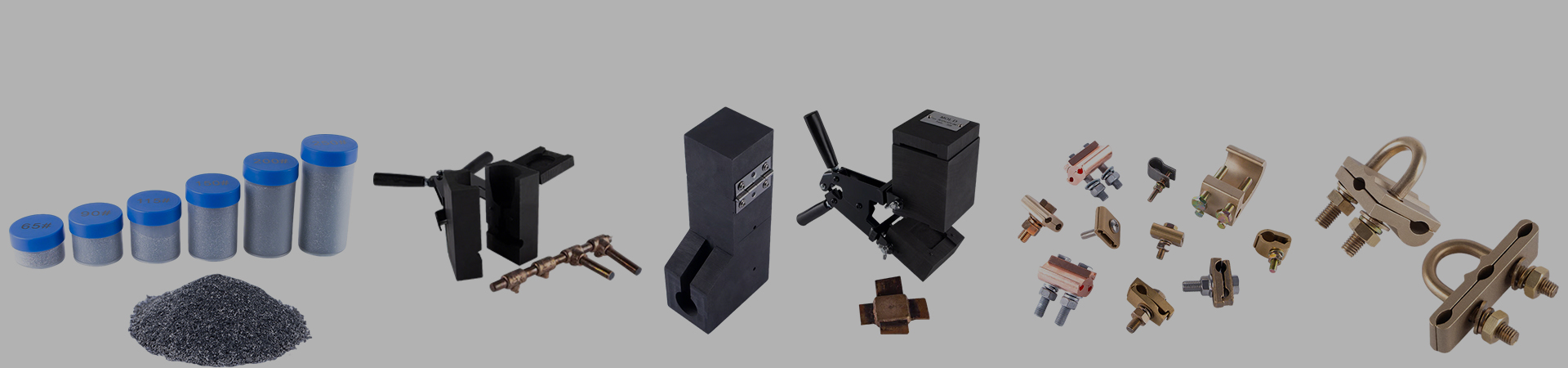
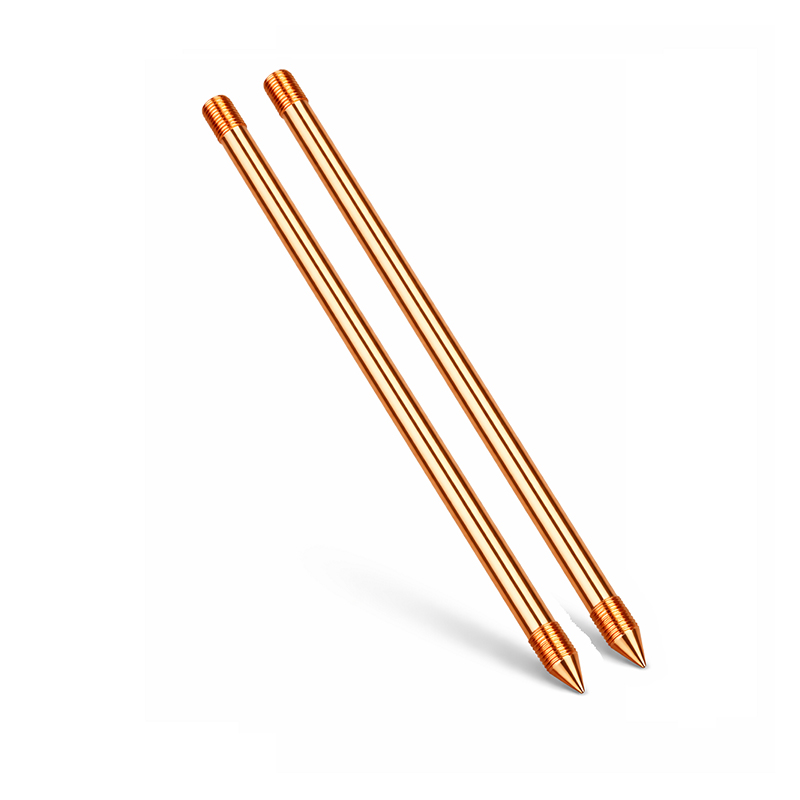
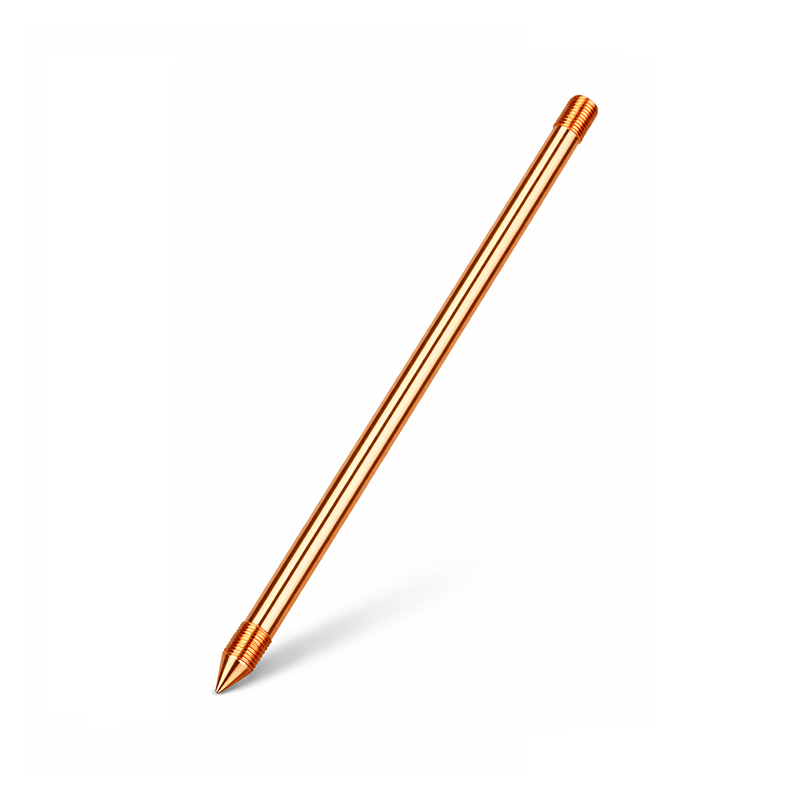
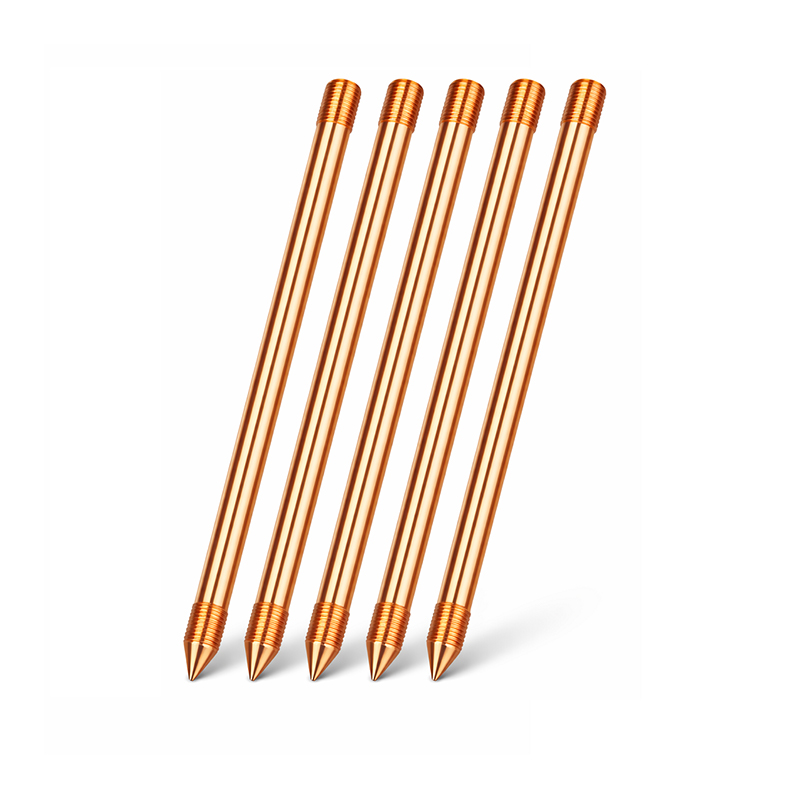
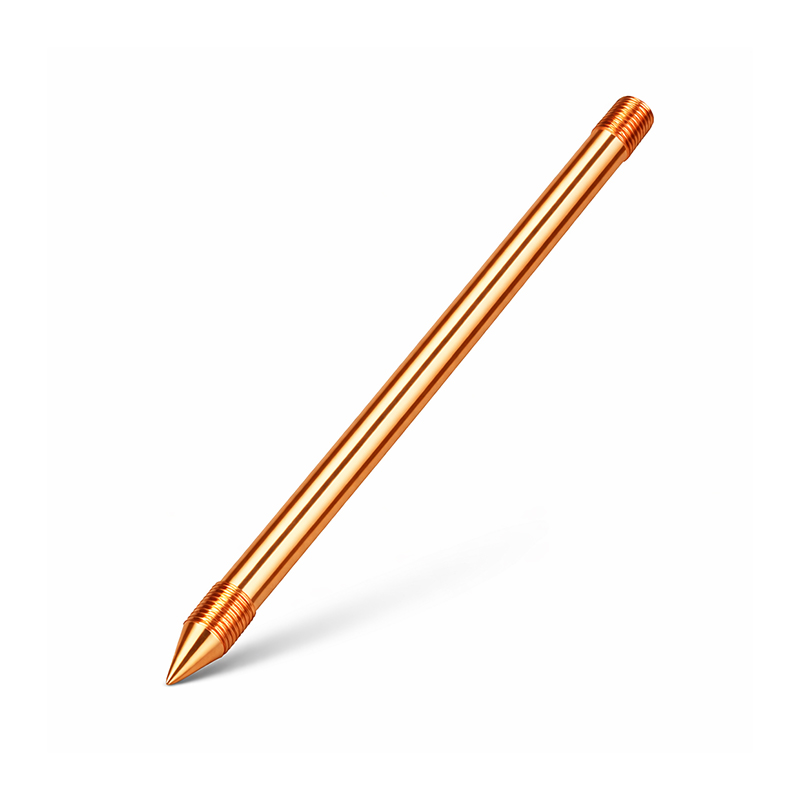
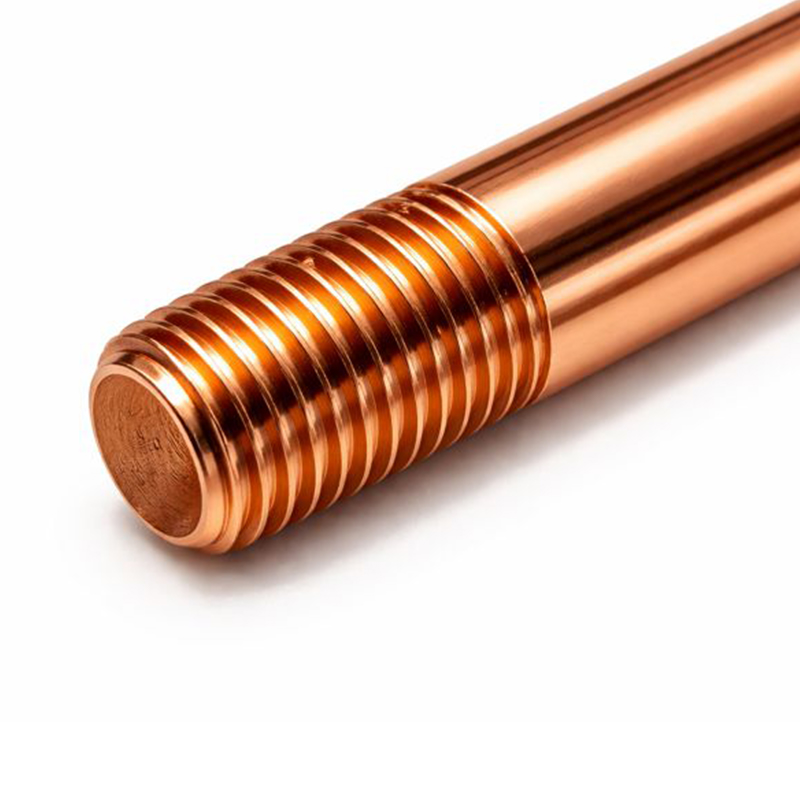
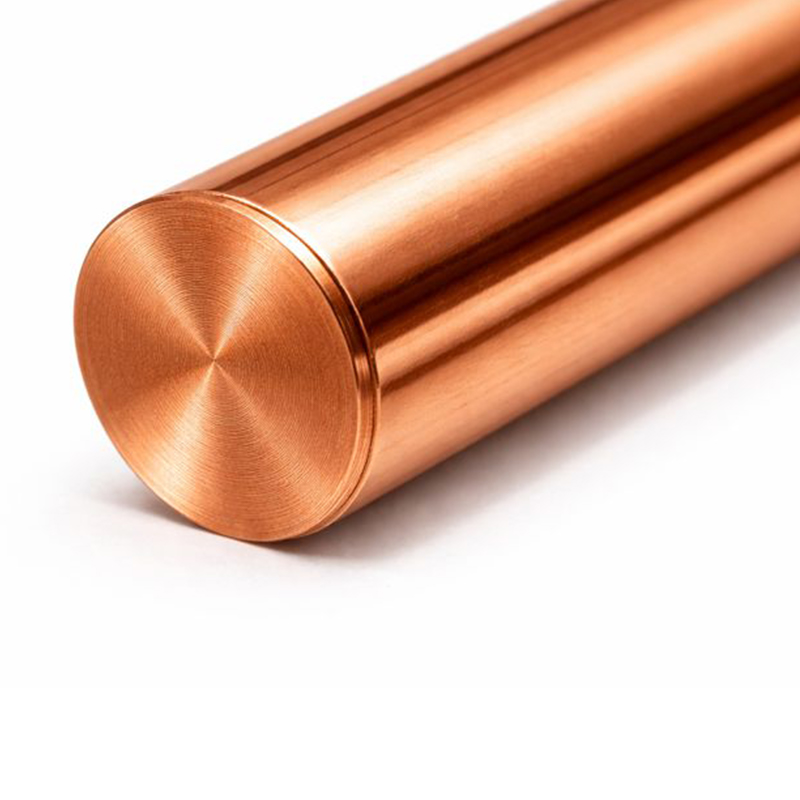
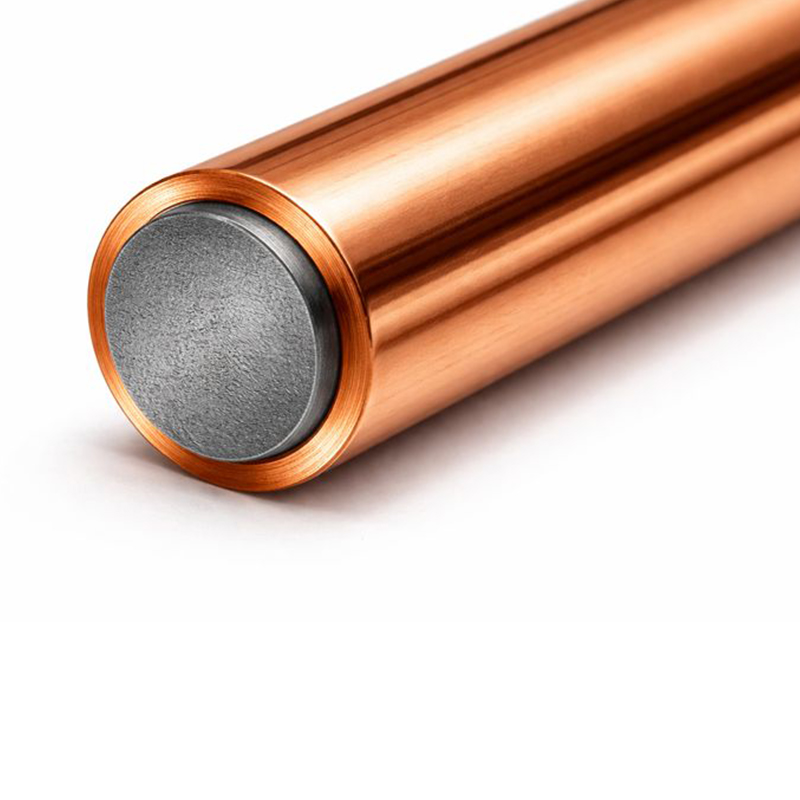
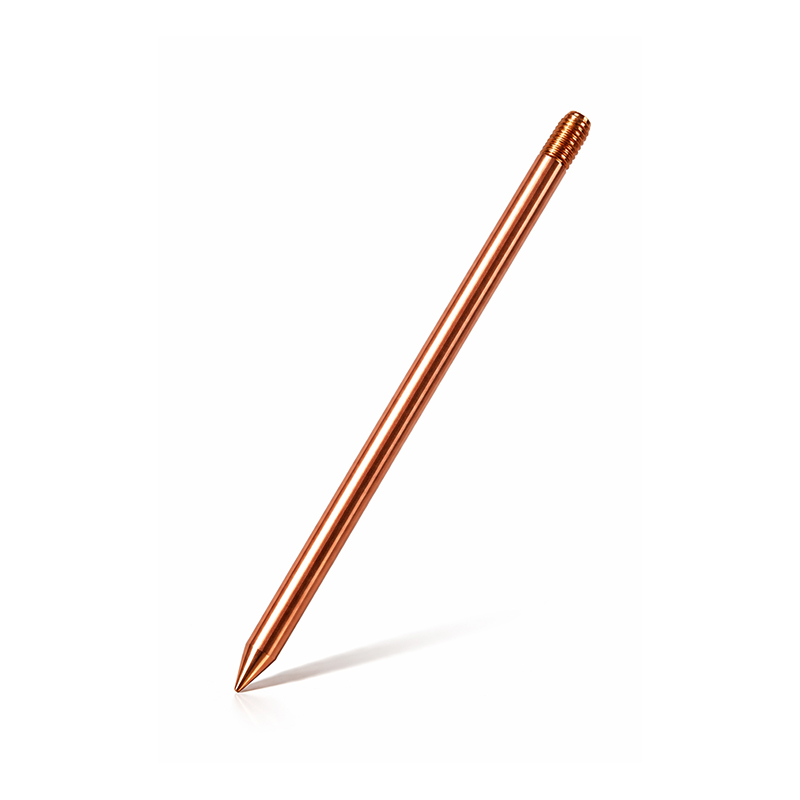
Copper-Clad Steel Rods represent a pinnacle of composite material engineering, blending the high-frequency conductivity and corrosion resistance of copper with the immense tensile strength and durability of steel. As global infrastructure demands more resilient grounding and power systems, Copper-Clad Steel technology has emerged as the preferred solution over solid copper or galvanised steel in many critical scenarios.
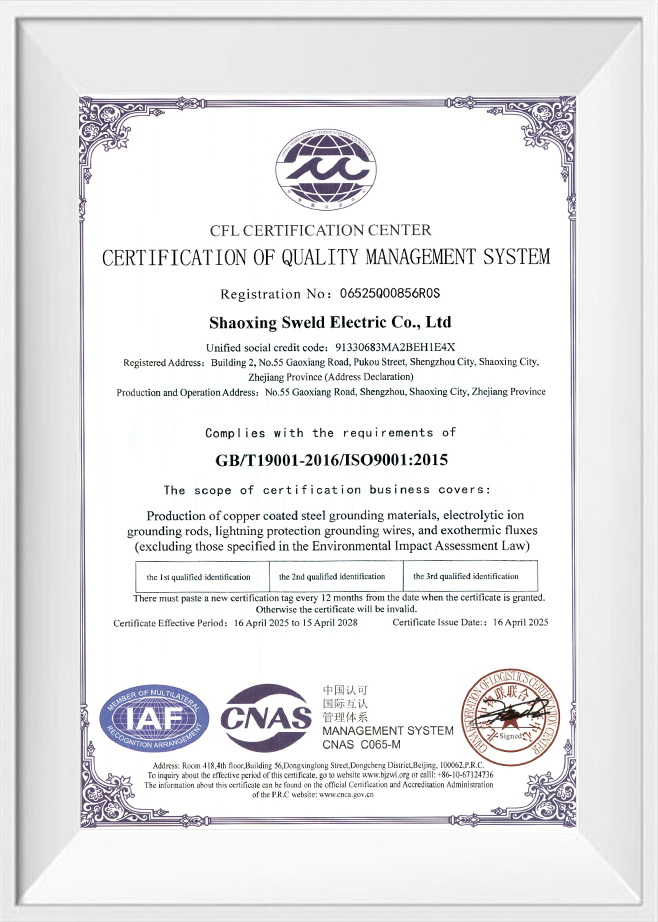
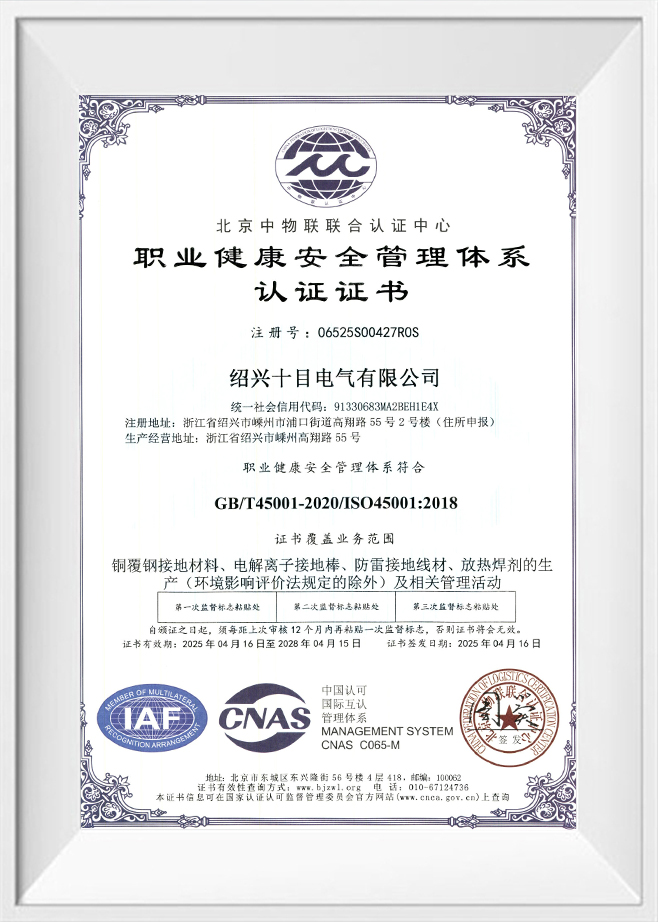
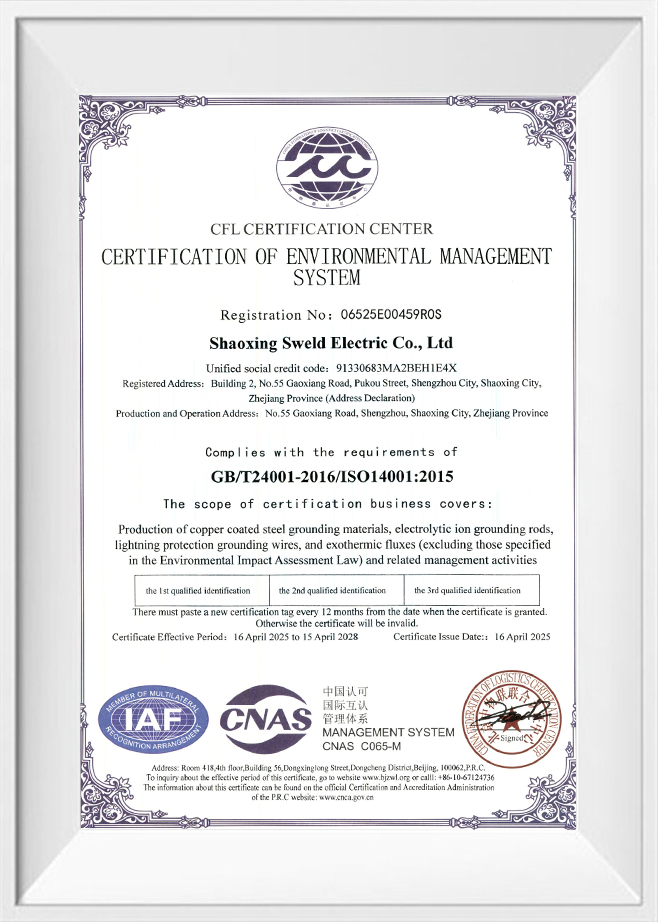
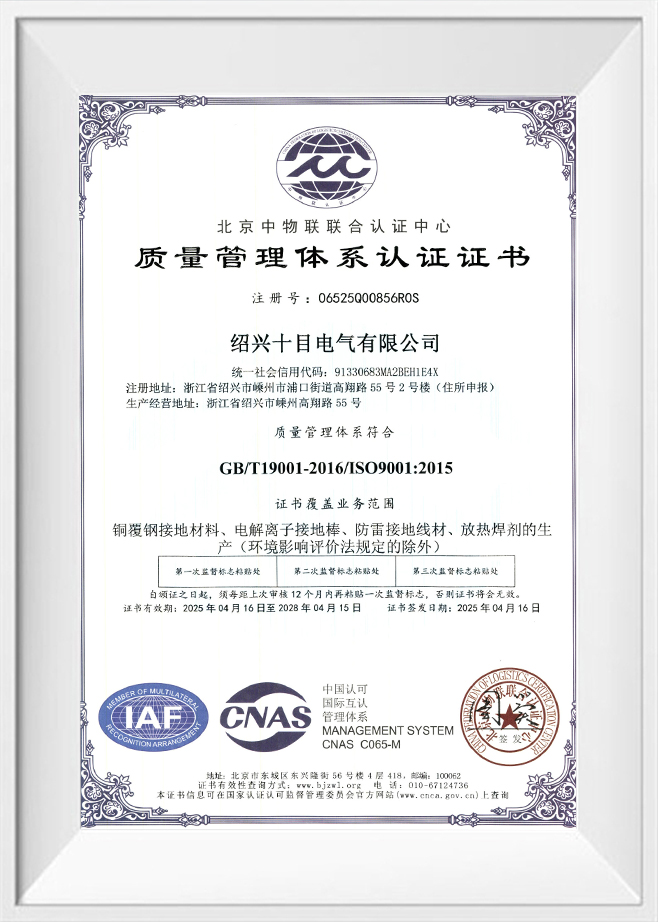
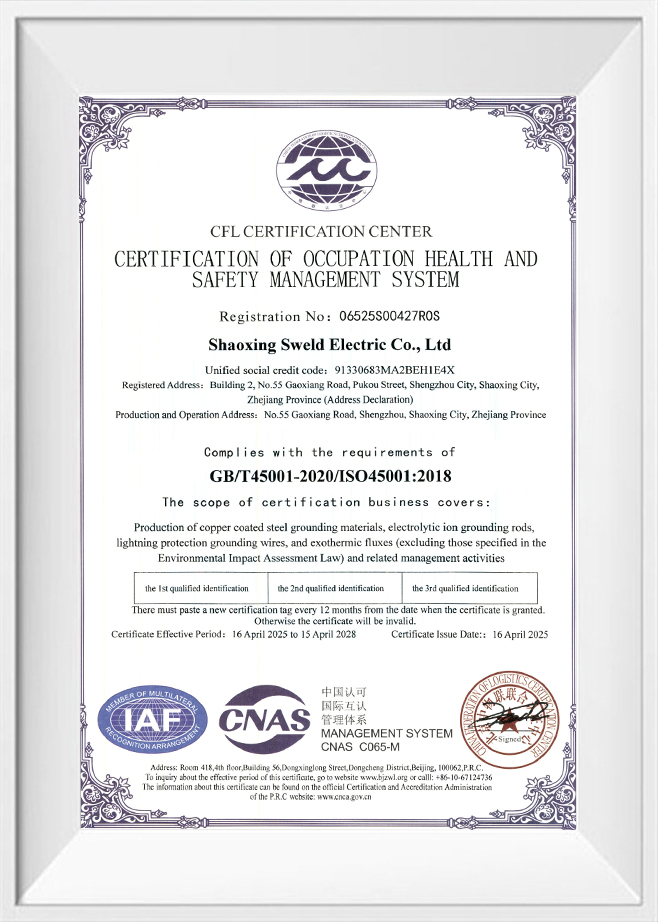
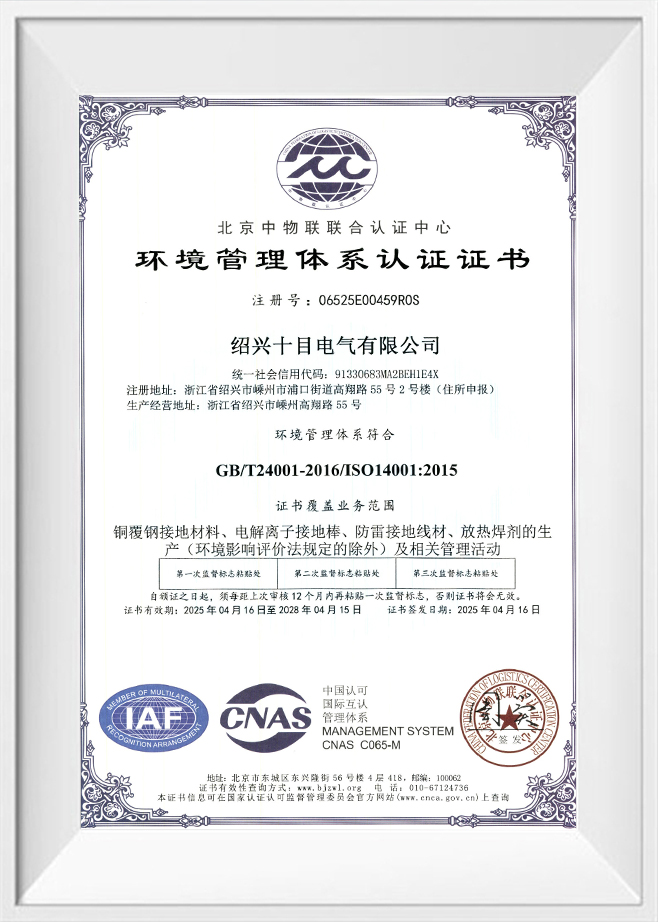
Shaoxing Sweld Electric Co., Ltd., based in the historic region of Shengzhou, Shaoxing, China, has established itself as a leading innovator in this field. Operating from a 3,000-square-meter facility with ISO9001, ISO14001, and ISO45001 certifications, Sweld leverages high-speed CNC machining and a professional technical team of over 50 experts to deliver Copper-Clad Steel solutions that meet stringent international standards.
Why Does the Composite Structure of Copper-Clad Steel Rods Offer Superior Performance Over Traditional Conductors?
The fundamental advantage of a Copper-Clad Steel Rod lies in its metallurgical bond, which creates a synergetic effect that neither copper nor steel could achieve independently. This "best of both worlds" approach is dictated by the physics of electricity and the requirements of structural engineering.
The Physics of the Skin Effect and High-Frequency Conductivity
In AC (Alternating Current) power systems and high-frequency communication lines, electrical current does not flow uniformly through the cross-section of a conductor. Instead, it tends to concentrate on the outer surface—a phenomenon known as the "Skin Effect." This effect becomes more pronounced as frequency increases.
Since the outer layer of a Copper-Clad Steel rod is high-purity, high-conductivity copper, it efficiently carries the current where it is needed most. The steel core, while less conductive, remains largely underutilised for electrical transport at high frequencies but provides the necessary internal volume and structural backbone. This makes Copper-Clad Steel an ideal choice for lightning protection, as lightning strikes are essentially high-frequency impulse currents that primarily travel through the copper skin.
Unmatched Mechanical Resilience and Deep-Driving Capabilities
Traditional solid copper rods are soft and prone to bending, "mushrooming," or breaking during deep-earth installation, especially in rocky, hard-packed, or frozen soil. Shaoxing Sweld Electric Co., Ltd. addresses this challenge by utilising high-strength steel cores (typically high-carbon steel).
The tensile strength of steel allows these rods to be driven deep into the ground using high-impact hydraulic hammers without the risk of deformation. This mechanical integrity ensures that the grounding system remains intact throughout the lifespan of the facility. Deep-driving is crucial for reaching lower-resistivity soil layers, and the high-strength core of Sweld's Copper-Clad Steel rods ensures that the rod maintains its straightness and integrity even at depths of 30 feet or more when coupled.
Advanced Corrosion Resistance and Long-Term Stability
Copper is naturally resistant to soil corrosion and oxidation due to its position on the galvanic series. By cladding the steel core in a uniform, thick layer of copper, the steel is protected from the moisture and electrolytes present in the earth.
Shaoxing Sweld Electric’s manufacturing process—utilising electroplating or continuous casting technologies—ensures a molecular bond between the two metals. This prevents "capillary action," where moisture might otherwise seep between the layers of a poorly bonded rod, leading to internal galvanic corrosion that could cause the copper to peel away. Sweld's adherence to ISO9001 standards ensures that every rod provides consistent oxidation resistance and long-term stability in diverse geological conditions.
Cost-Efficiency and Security against Theft
Solid copper is an expensive commodity and a frequent target for theft in many regions, particularly in remote telecommunications sites. Copper-Clad Steel rods provide a significant cost reduction—often 30-50% cheaper than solid copper—while offering a "thief-deterrent" value. Once installed, the steel core makes the material extremely difficult to cut with standard hand tools and yields very little value on the scrap market compared to solid copper. This ensures the long-term security of grounding networks without sacrificing electrical performance.
|
Feature |
Solid Copper Rod |
Galvanised Steel Rod |
Copper-Clad Steel Rod (Sweld) |
|---|---|---|---|
|
Conductivity |
100% IACS |
8-12% IACS |
20% to 40% IACS (Adjustable) |
|
Tensile Strength |
Low (~220 MPa) |
High (~450+ MPa) |
High (~500-600 MPa) |
|
Corrosion Resistance |
Excellent |
Moderate (Sacrificial) |
Excellent (Barrier) |
|
Deep Driving Capability |
Poor |
Excellent |
Excellent |
|
Scrap Value (Theft Risk) |
High |
Very Low |
Low |
|
Bending Workability |
Excellent |
Poor (Coating cracks) |
Excellent |
|
Cost |
Very High |
Low |
Moderate/Optimised |
How Are Copper-Clad Steel Rods Integrated Into Modern Grounding and Lightning Protection Systems?
The versatility of Copper-Clad Steel Rods makes them indispensable in various sectors where safety and electrical stability are paramount. Shaoxing Sweld Electric Co., Ltd. produces these rods as part of a complete ecosystem, often used alongside their high-performance exothermic welding powder and specialized molds.
Power Transmission, Substations, and Smart Grids
In high-voltage substations, a low-impedance ground path is essential to protect equipment and personnel during fault conditions. Copper-Clad Steel rods are used to create expansive deep-earth grounding grids. Their ability to handle high fault currents (up to 40kA and beyond, depending on diameter) while maintaining structural shape allows for more predictable grounding resistance over decades of service.
In the context of smart grids, where sensitive electronic monitoring equipment is integrated into the power network, the stable grounding provided by Copper-Clad Steel helps prevent noise and transient surges from damaging high-value assets.
Telecommunications, 5G Infrastructure, and Data Centres
Communication lines require shielding and grounding that can handle high-frequency interference. The copper cladding on Sweld’s Copper-Clad Steel products provides a low-resistance path for lightning surges and electromagnetic interference (EMI), protecting sensitive digital hardware in data centres and telecom towers.
As 5G networks deploy smaller, more frequent base stations, the need for compact yet highly efficient grounding solutions grows. Copper-Clad Steel provides the required performance in a smaller footprint compared to galvanised steel, which would need to be much larger to achieve the same resistance.
Lightning Protection Facilities and High-Rise Structures
Lightning rods (air terminals) and the down-conductors that lead to the ground must withstand extreme thermal and mechanical stress during a strike. When a lightning strike occurs, the temperature of the conductor can rise rapidly.
The steel core of the Copper-Clad Steel rod provides the thermal mass to absorb the heat generated by a lightning discharge, while the copper layer ensures the charge is dissipated into the ground with minimal resistance. Shaoxing Sweld Electric also produces specialised lightning rods and connection parts, ensuring that the entire path from the sky to the earth is optimised for safety.
Grounding in Harsh and Aggressive Environments
For projects in coastal areas with high salinity or industrial zones with acidic soil, the durability of the conductor is tested daily. Shaoxing Sweld Electric’s products are tested in national certification laboratories to ensure that their copper-cladding thickness (commonly 0.254mm or higher) and bonding strength can withstand these aggressive environments.
The workability of the material is another key advantage; Copper-Clad Steel can be bent at a 90-degree angle without the copper layer cracking or flaking. This allows the rods to be installed around buried pipes or foundation footings, adapting to complex site geometries without compromising the protective barrier.
What Critical Factors Should Engineers Consider When Selecting Copper-Clad Steel Rods for Large-Scale Projects?
Selecting the right Copper-Clad Steel rod is not merely about choosing a diameter; it requires a deep understanding of the project's specific environmental and electrical demands. Engineers must look beyond the surface to evaluate the quality of the bond and the specifications of the materials.
Copper Thickness, Bonding Quality, and Manufacturing Standards
The thickness of the copper layer (usually measured in microns or mils) determines the rod's lifespan and conductivity. More importantly, the bond must be molecular. If the copper is simply a "sleeve" over the steel (known as copper-cladding via mechanical force), moisture will eventually enter, causing the steel to rust and expand, which splits the copper.
Shaoxing Sweld Electric Co., Ltd. ensures a high-quality metallurgical bond through advanced electroplating or cladding processes. Their facility is equipped with 7 high-speed CNC machining centres that ensure the threads of the rods are cut with precision, maintaining the copper thickness even in the threaded sections, which are typically the most vulnerable points for corrosion.
Conductivity Requirements (IACS %) and Thermal Capacity
Copper-Clad Steel rods are typically rated by their International Annealed Copper Standard (IACS) percentage—common values being 21%, 30%, or 40%. Engineers must calculate the expected fault current and the required resistance of the grounding grid to determine which conductivity grade is necessary.
A higher IACS percentage means a thicker copper layer, which increases the current-carrying capacity and the time it takes for the rod to reach its melting point during a massive surge. Sweld provides technical guidance to help customers match the right conductivity to their specific local soil resistivity and fault current calculations.
Mechanical Strength, Soil Resistivity, and Driving Depth
In soft soil, a standard low-carbon steel core is sufficient. However, in rocky, shale, or frozen terrain, a high-carbon steel core may be required to prevent the rod from bending during installation. The rods must also be checked for "straightness" to ensure efficient energy transfer from the hammer to the tip of the rod.
Furthermore, the connection method for deep-earth grounding—using threaded couplers—must be seamless. Sweld’s CNC-machined couplers are designed to provide a continuous copper-to-copper path, ensuring that the resistance does not increase at the joints, which is vital for deep-driven systems that may reach 50 or 100 feet.
Compatibility with Exothermic Welding and Connection Methods
A grounding system is only as strong as its weakest connection. Using Copper-Clad Steel rods requires high-quality connection parts. Shaoxing Sweld Electric Co., Ltd. specialises in a "complete set" approach, producing 500 tons of exothermic welding powder annually.
Their custom-designed moulds create permanent, molecular joints that are superior to mechanical clamps. Unlike clamps, which can loosen due to thermal cycling or soil movement, an exothermic weld fuses the rod and the conductor into a single mass of copper. This is particularly important for Copper-Clad Steel because the weld encapsulates the steel core in copper, protecting the joint from corrosion forever.
Certification, Compliance, and Occupational Safety
For international infrastructure projects, compliance with standards such as UL 467, IEEE 80, or national testing standards is mandatory. Sweld’s commitment to quality and safety is evidenced by its ISO45001 (Occupational Health) and ISO14001 (Environmental) certifications.
Beyond product quality, the logistics of hazardous materials are handled professionally; they provide specialised "dangerous package" certificates for their welding powders, ensuring that the entire grounding kit—including the Copper-Clad Steel rods and the chemical welding components—arrives at the job site safely, legally, and ready for immediate installation.