


 English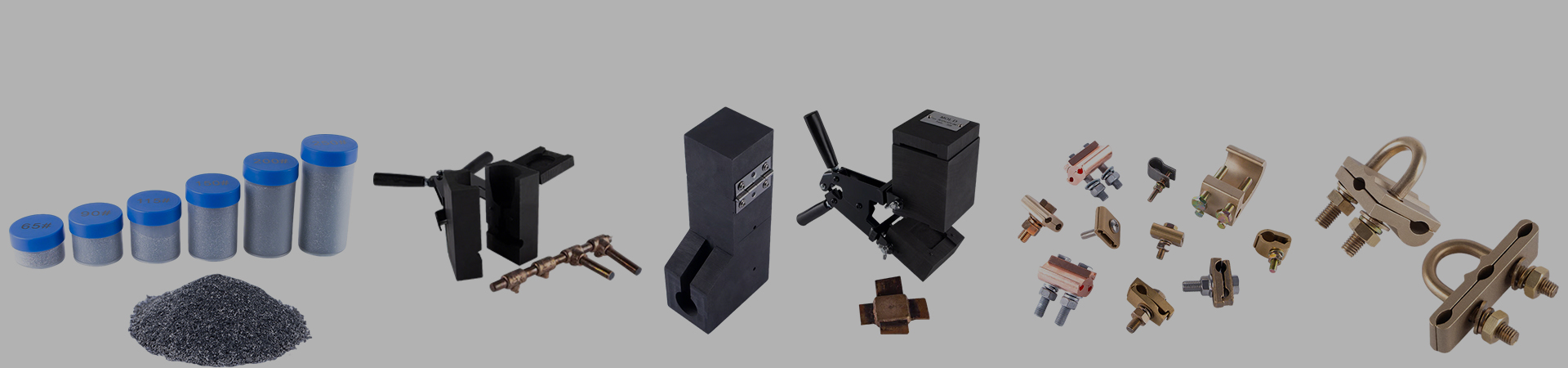
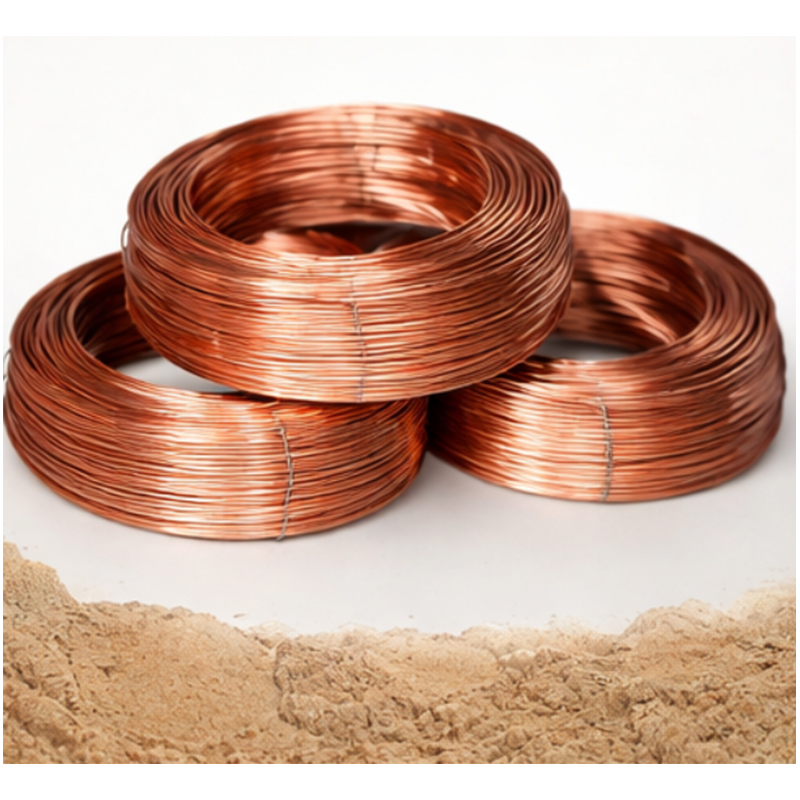
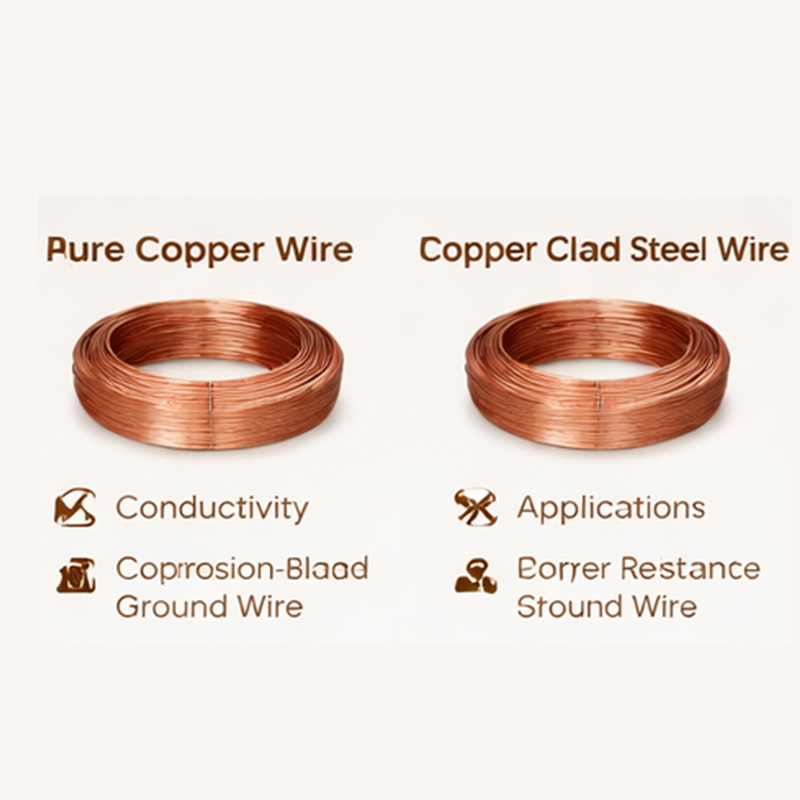
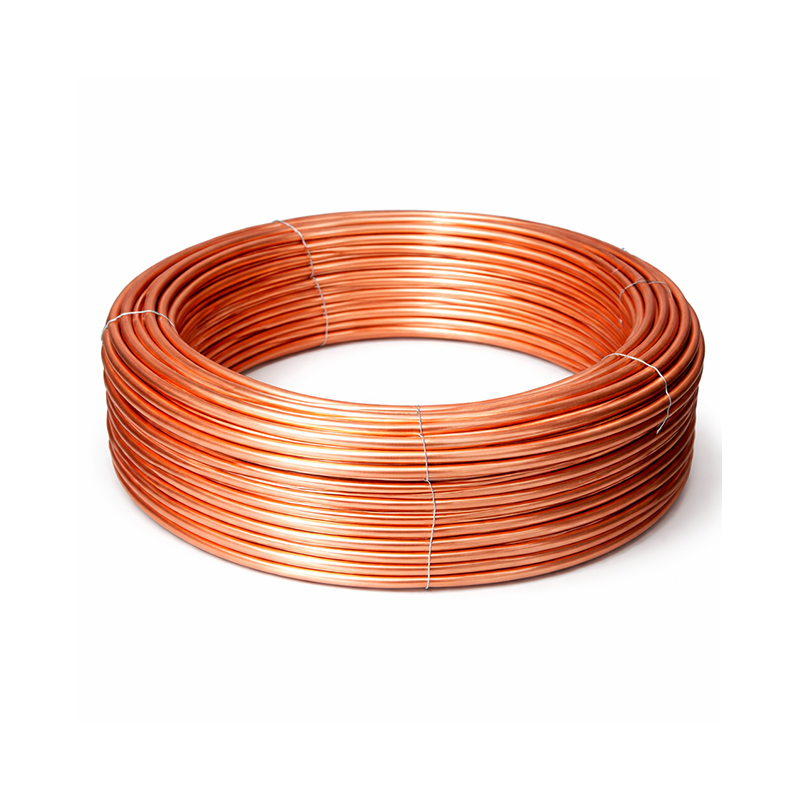
Copper-Clad Steel Round Wire is a sophisticated composite conductor engineered to bridge the gap between high-strength structural requirements and high-efficiency electrical demands. By metallurgical bonding a thick, uniform layer of high-purity copper to a precision-selected steel core, this material transcends the limitations of single-metal conductors. In an era where infrastructure must withstand increasingly volatile environmental conditions, Copper-Clad Steel Round Wire has become a cornerstone of modern power grounding, lightning protection, and telecommunications shielding.
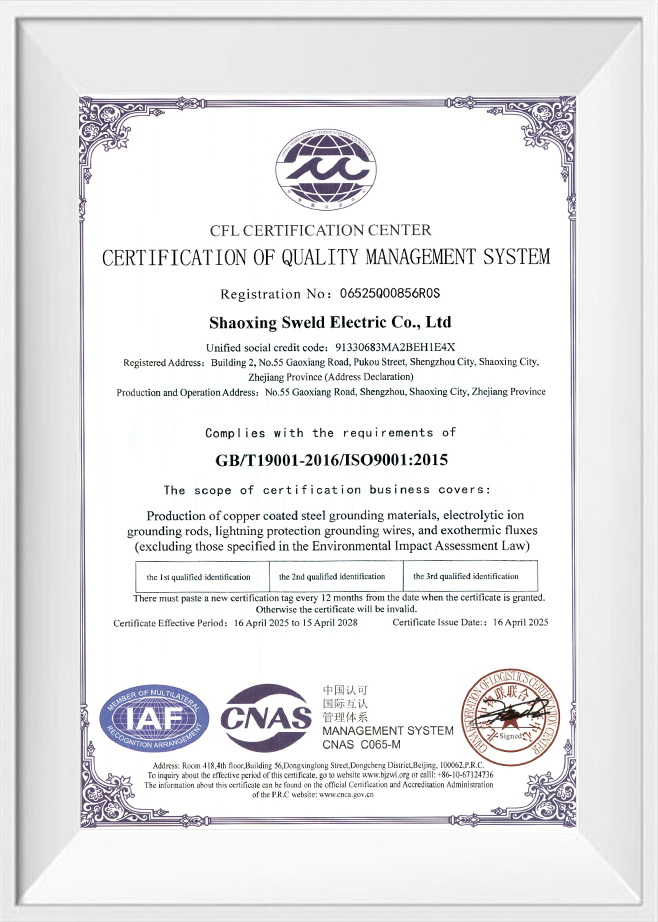
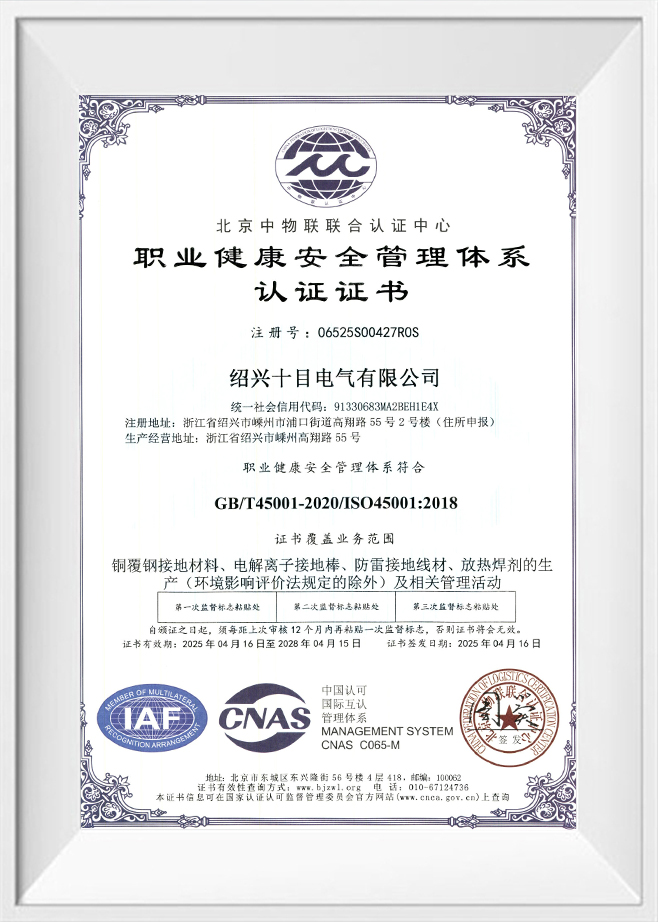
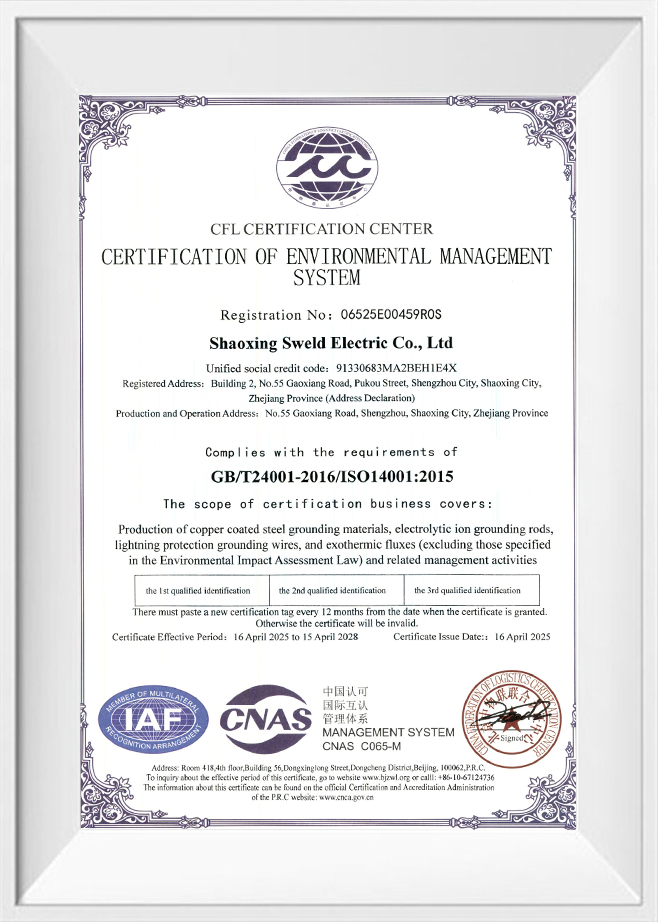
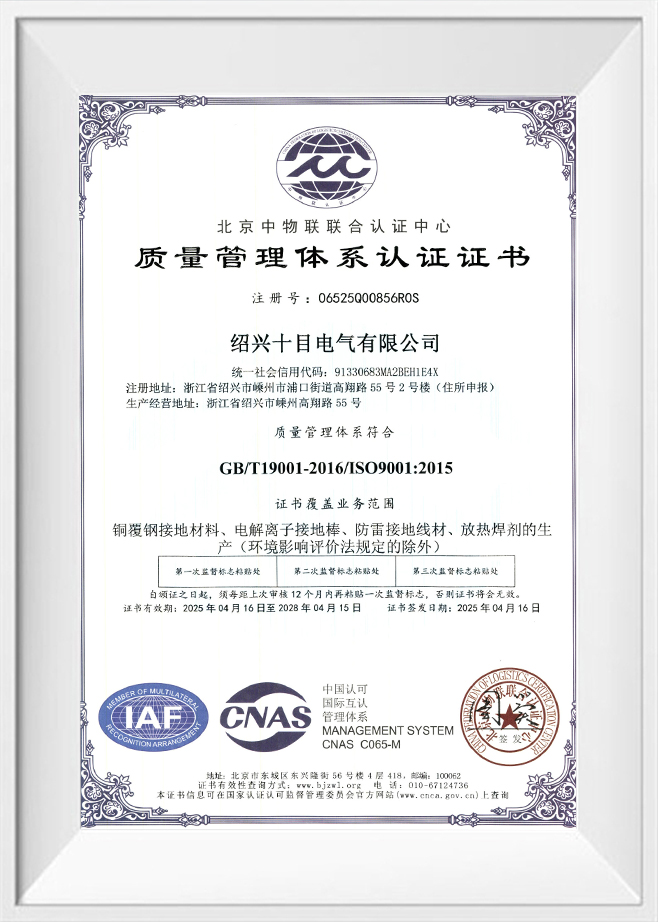
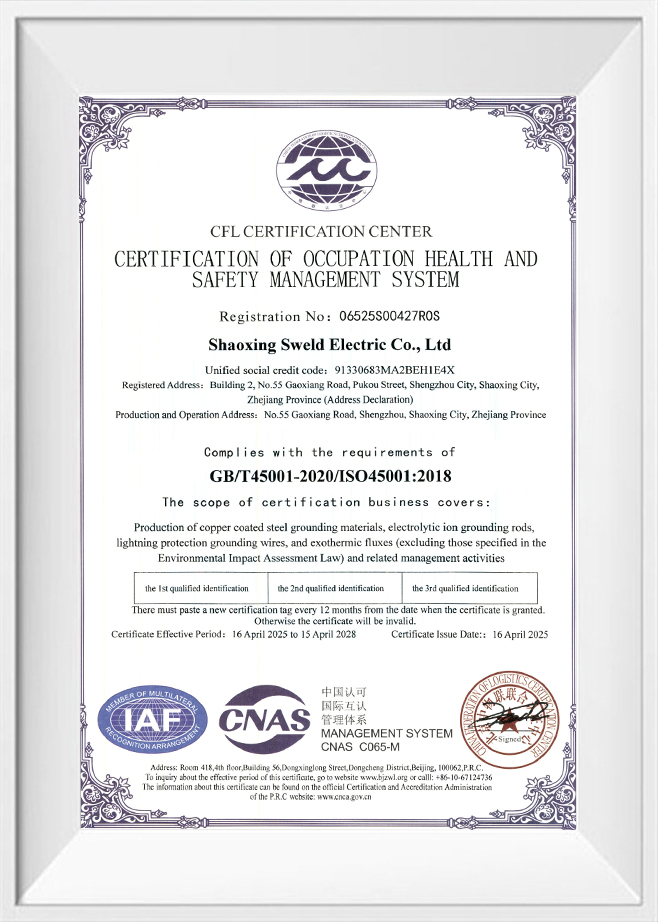
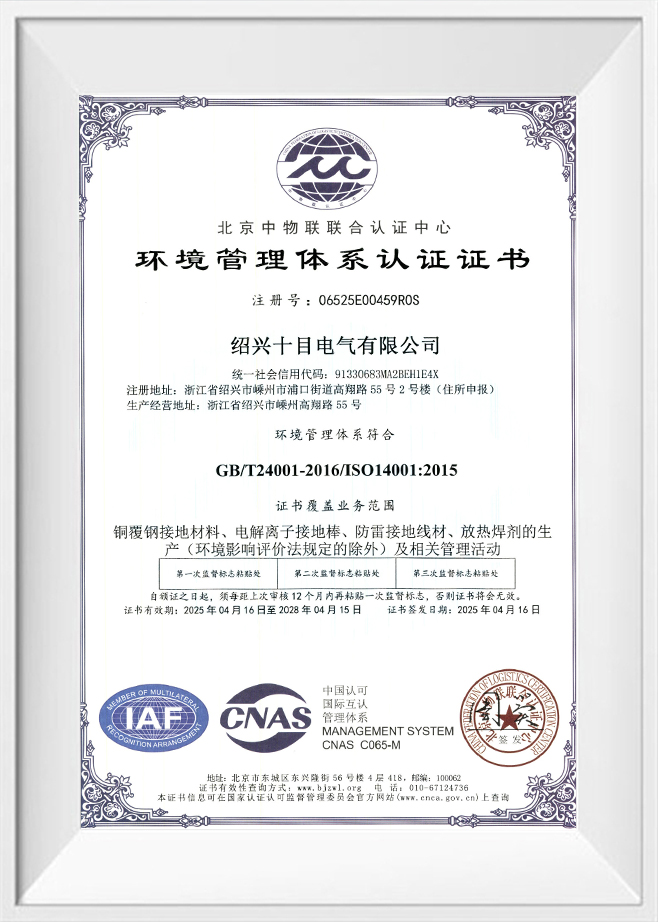
Since its inception in 2018, Shaoxing Sweld Electric Co., Ltd. has pioneered the production of high-performance composite wires from its 3,000-square-meter facility in Shengzhou, Shaoxing. Distinguished by its integration of advanced drawing technologies and a technical team of 50 specialists, Sweld focuses on the microscopic integrity of the copper-to-steel interface. The company’s adherence to ISO9001, ISO14001, and ISO45001 frameworks ensures that every reel of Copper-Clad Steel Round Wire delivered to international markets provides not just conductivity, but long-term structural assurance backed by national laboratory certifications.
How Does the Metallurgical Interface Science of Copper-Clad Steel Round Wire Ensure Electrical and Structural Integrity?
The performance and operational lifespan of Copper-Clad Steel Round Wire are fundamentally determined by the quality and nature of the interface between the copper cladding and the steel core. Unlike simple mechanical coatings or "sleeved" wires—which rely on friction and physical proximity—a true metallurgical bond is essential for maintaining electrical and mechanical performance under extreme operational stress. This molecular-level fusion creates a unified composite that behaves as a single material, preventing the internal degradation that often leads to system failure in lesser conductors.
Atomic-Level Bonding and Interfacial Stability
The manufacturing process employed by Shaoxing Sweld Electric Co., Ltd. focuses on creating a molecular bond through advanced electroplating or continuous cladding. This atomic-level fusion ensures that the two metals act as a monolithic structure. At the microscopic level, this bond prevents the formation of void spaces that could harbor oxygen or moisture.
In inferior products, thermal expansion differences between copper and steel can lead to delamination during high-current surges; however, a high-quality metallurgical bond allows the wire to expand and contract uniformly. This stability is critical for conductors exposed to the extreme temperature fluctuations of overhead lines or the thermal surges of lightning strikes, where the instantaneous temperature can spike hundreds of degrees. Sweld’s process ensures that the intermetallic compound layer is thin enough to maintain ductility but strong enough to prevent separation.
Grain Structure and Conductivity Optimisation
The electrical efficiency of Copper-Clad Steel Round Wire is not just about the thickness of the copper, but the grain structure of the cladding itself. Sweld’s production process optimises the copper deposition to minimise impurities and grain boundary resistance. This results in a "clean" path for high-frequency currents (the Skin Effect), ensuring that the wire maintains its specified International Annealed Copper Standard (IACS) rating over its entire length.
Because high-frequency impulse currents (like lightning) travel almost exclusively in the outer few microns of the conductor, the purity of the copper "skin" is paramount. By controlling the electrolysis parameters, Sweld produces a dense, non-porous copper layer that preserves signal clarity in communication shielding and minimizes energy dissipation in grounding grids. This precision ensures that the effective resistance remains stable even after decades of environmental exposure.
Stress Distribution and Ductility Control
One of the greatest challenges in composite wire manufacturing is maintaining ductility while maximising tensile strength. Through controlled annealing and precision drawing, Sweld ensures that the Copper-Clad Steel Round Wire possesses the "workability" mentioned in its core specifications.
The core logic here involves balancing the cold-working hardening of the steel core with the soft conductivity of the copper. This means the wire can be bent, twisted, or stretched during complex construction—such as around foundation footings or through tight conduits—without developing micro-cracks in the copper layer. Such cracks are the primary entry points for corrosion in lower-grade materials, leading to "pitting" that eventually compromises the steel core's structural strength. Sweld's wire can typically withstand repeated 90-degree bending tests without any visible delamination or fracturing of the copper barrier.
|
Performance Metric |
Copper-Clad Steel Round Wire (Sweld) |
Standard Solid Copper |
Galvanised Steel |
|---|---|---|---|
|
Bonding Type |
Molecular / Metallurgical |
N/A (Single Metal) |
Mechanical / Zinc Coating |
|
Bending Radius |
Small (High Flexibility) |
Excellent |
Large (Coating may flake) |
|
High-Frequency Impedance |
Low |
Very Low |
High |
|
Elastic Modulus |
High (Resists Stretching) |
Low |
Very High |
|
Thermal Expansion Match |
Controlled Composite |
Single Metal |
Single Metal |
|
Interface Resistance |
Negligible |
N/A |
High (at oxide layers) |
How Does Copper-Clad Steel Round Wire Adapt to Extreme Geological and Climatic Construction Environments?
Engineering projects are increasingly located in "hostile" environments, where traditional conductors frequently fail to balance structural durability with electrical performance. These range from high-salinity coastal regions—where airborne chlorides accelerate metal fatigue—to chemically aggressive industrial soils saturated with sulfates and nitrates that compromise standard coatings. Furthermore, the expansion of global power networks into permafrost zones and sub-arctic climates introduces unprecedented thermal and mechanical stresses. The physical properties of Copper-Clad Steel Round Wire are uniquely suited to these multifaceted challenges, providing a multi-layered defense mechanism that ensures system integrity even under the most arduous climatic conditions.
Resilience in High-Salt Spray and Humid Environments
In coastal grounding applications, salt spray is a relentless corrosive agent. The high-purity copper layer of the Copper-Clad Steel Round Wire acts as an impenetrable barrier for the steel core. Shaoxing Sweld Electric Co., Ltd. tests its products against accelerated oxidation standards to ensure that the protective layer remains intact even in high-humidity zones.
Unlike galvanised steel, which relies on a sacrificial zinc layer that eventually disappears through the process of galvanic corrosion, the copper cladding provides a permanent barrier. In a salt-rich atmosphere, the copper forms a stable, protective patina of copper carbonate or copper sulfate, which actually slows further oxidation. This protective mechanism ensures the conductor does not degrade until the copper itself is physically worn through, which in most soil and air conditions can take upwards of 40 to 50 years.
Mechanical Stability in Unstable Soils and Rocky Terrain
Grounding systems buried in "active" soils—those subject to frost heave, seismic shifts, or heavy equipment vibration—require more than just conductivity. They require the "mechanical stability" inherent in the steel core. Copper-Clad Steel Round Wire resists the elongation and thinning (necking) that can occur with solid copper wires under soil tension.
In rocky terrain, where backfilling might involve sharp stones, the hard steel core prevents the conductor from being easily severed or crushed. This ensures that the grounding loop remains continuous and the resistance stays constant, preventing "blind spots" in the safety system of a power substation or a communication tower. The high tensile strength allows for the use of mechanical tensioning tools during installation without risking the structural "creep" common in pure copper conductors.
Adaptability to Overhead and Long-Span Installation
For overhead lightning protection or signal lines, the weight-to-strength ratio is a critical engineering factor. Copper-Clad Steel Round Wire is significantly stronger than solid copper wire of the same diameter, allowing for higher tensioning and longer spans between support structures.
This reduction in "sag" means that for a given clearance height, fewer poles or support points are required for a project, directly lowering construction costs and minimising the environmental impact of the installation. In regions prone to heavy ice loading or hurricane-force winds, the steel core provides a safety margin that prevents line snapping, ensuring that critical communication and power links remain operational during natural disasters.
What Role Does Copper-Clad Steel Round Wire Play in System Compatibility and Lifetime Cost Optimisation?
When engineers evaluate the "Total Cost of Ownership" (TCO) for large-scale infrastructure, Copper-Clad Steel Round Wire consistently emerges as the most economically viable and technically superior choice compared to traditional materials. This economic advantage is rooted not just in the initial material procurement costs, but in its seamless integration into the wider electrical ecosystem, its resistance to market-driven theft, and its nearly zero-maintenance profile over a multi-decade operational horizon. By reducing both capital expenditure (CAPEX) and long-term operational expenditure (OPEX), it allows for a more efficient allocation of engineering budgets.
Integration with Exothermic Welding Technologies
A conductor is only as effective as its connections. Shaoxing Sweld Electric Co., Ltd. is not just a wire manufacturer but a specialist in the "complete set" of grounding products, including an annual production of 500 tons of exothermic welding powder.
Because Copper-Clad Steel Round Wire is compatible with Sweld’s CNC-machined graphite moulds, it can be fused into permanent, molecular joints. These welds eliminate the contact resistance found in mechanical clamps, which often oxidize and loosen over time due to vibration or thermal expansion. An exothermic weld between a Sweld wire and a ground rod creates a joint that is as corrosion-resistant as the wire itself, ensuring that the grounding system’s performance remains at peak for the entire life of the infrastructure without the need for periodic re-tightening of bolts.
Reduction of Maintenance and Replacement Cycles
The "long-term stability" of Copper-Clad Steel Round Wire translates directly into reduced O&M (Operations and Maintenance) costs. Traditional galvanised systems often require testing and partial replacement every 10–15 years as the sacrificial zinc layer fails and the steel core begins to rust.
Copper-Clad Steel systems, when installed correctly with Sweld’s connection hardware, are designed to last 30 to 50 years. This longevity is essential for critical infrastructure like 5G base stations, data centers, and high-voltage transformer stations, where downtime for maintenance is prohibitively expensive and safety risks are high. The stable grounding resistance also protects sensitive electronic equipment from "ground noise" and transient surges that could otherwise lead to premature hardware failure.
Safety Compliance and Certified Quality Assurance
In modern engineering, risk mitigation is tied to certification. Sweld’s commitment to national certification laboratory testing and its ISO45001 occupational health and safety standards means that its Copper-Clad Steel Round Wire is produced under conditions that prioritise both product reliability and worker safety.
For project managers, using certified materials like Sweld’s wire—which comes with all necessary export licenses and "dangerous package" certificates for associated welding materials—means a smoother path through regulatory inspections and a lower risk of insurance liability due to material failure. The peace of mind provided by a fully certified, integrated solution allows engineers to focus on system design rather than worrying about the reliability of the fundamental components. This holistic quality assurance is what makes Copper-Clad Steel Round Wire an essential material in the future of global power and communications engineering.