


 English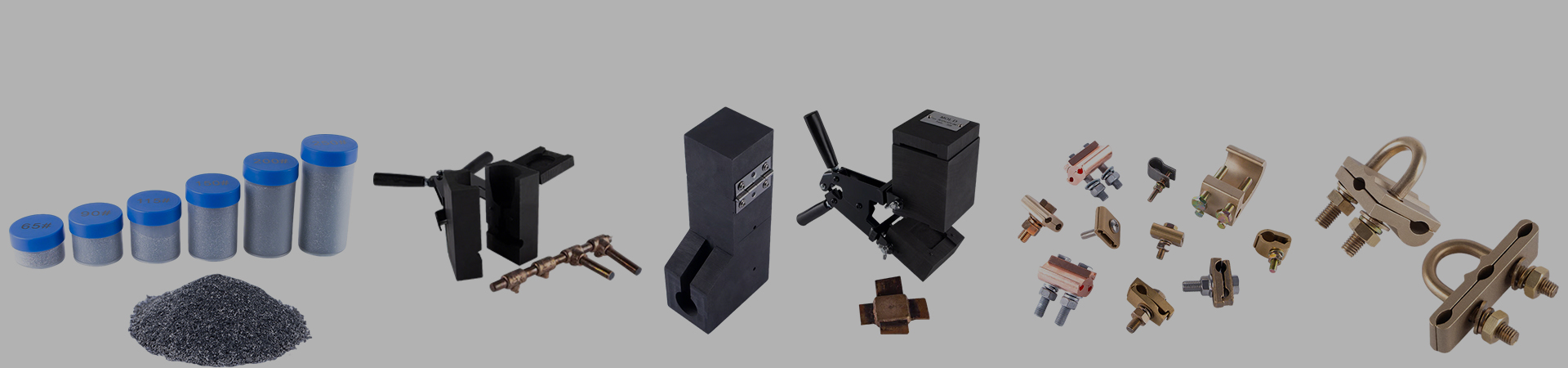
Ground Rod Accessories are the specialized hardware components that transform individual earthing electrodes into a cohesive and functional grounding network. While the ground rod itself serves as the primary interface with the earth, the performance, depth, and connectivity of that rod are entirely dependent on the quality of its associated accessories, including couplers, driving heads, drilling tips, and high-strength clamps. These components are engineered to withstand the immense mechanical forces of deep-earth installation and the relentless chemical stresses of subterranean environments. Without precision-engineered accessories, even the highest-quality ground rod can suffer from structural deformation, high contact resistance, or premature failure at the joints.
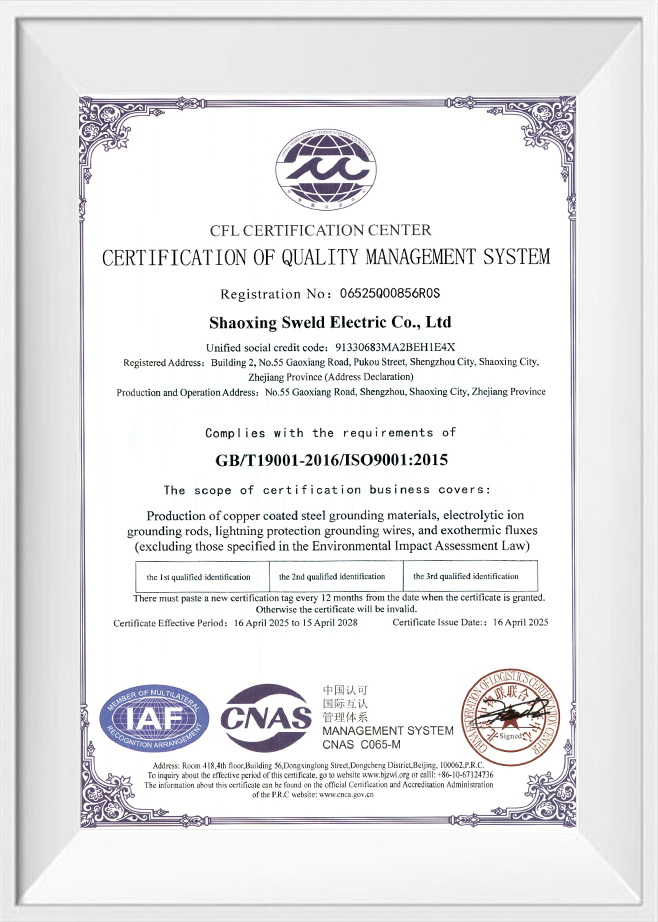
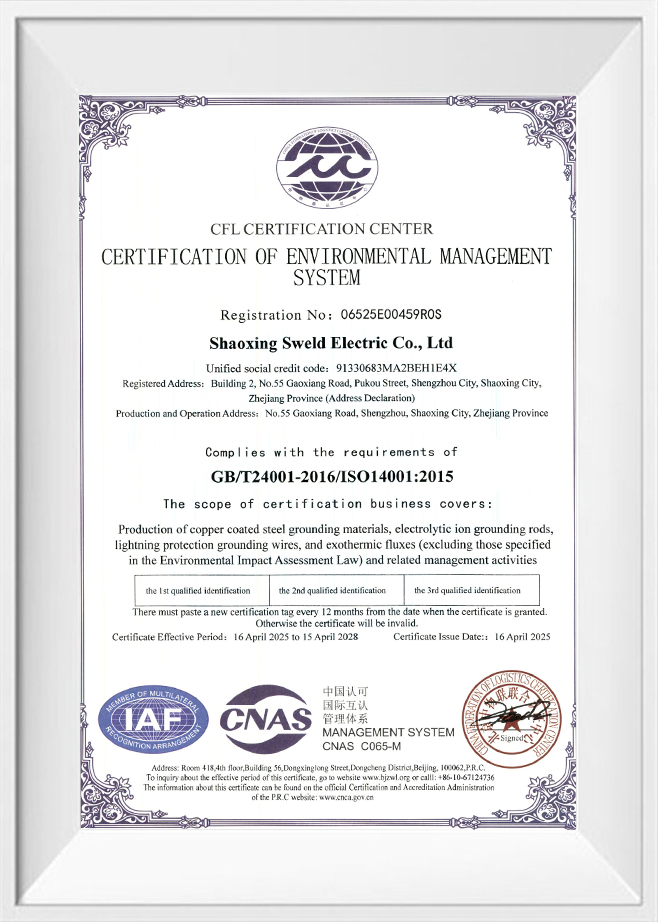
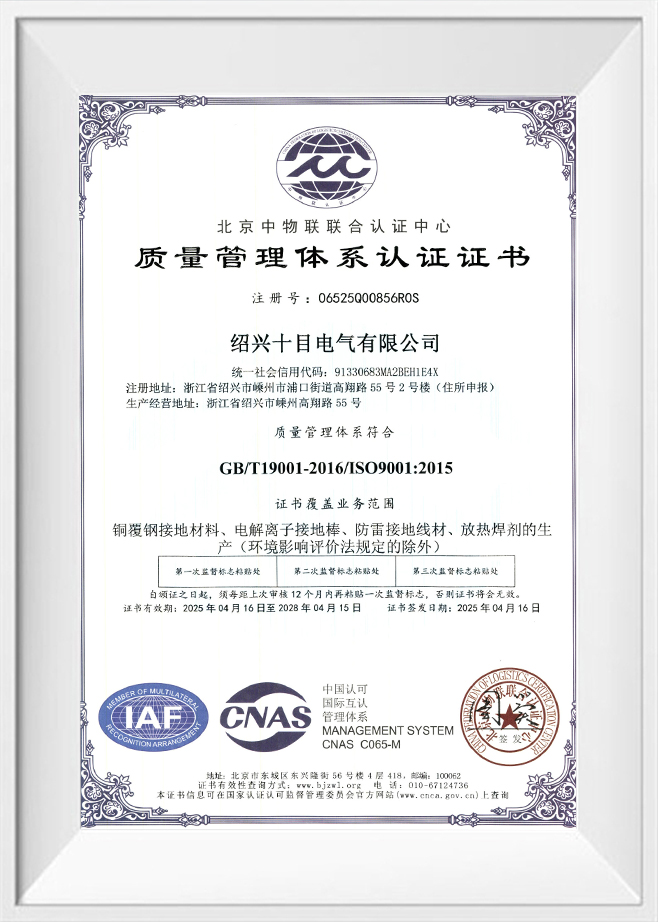
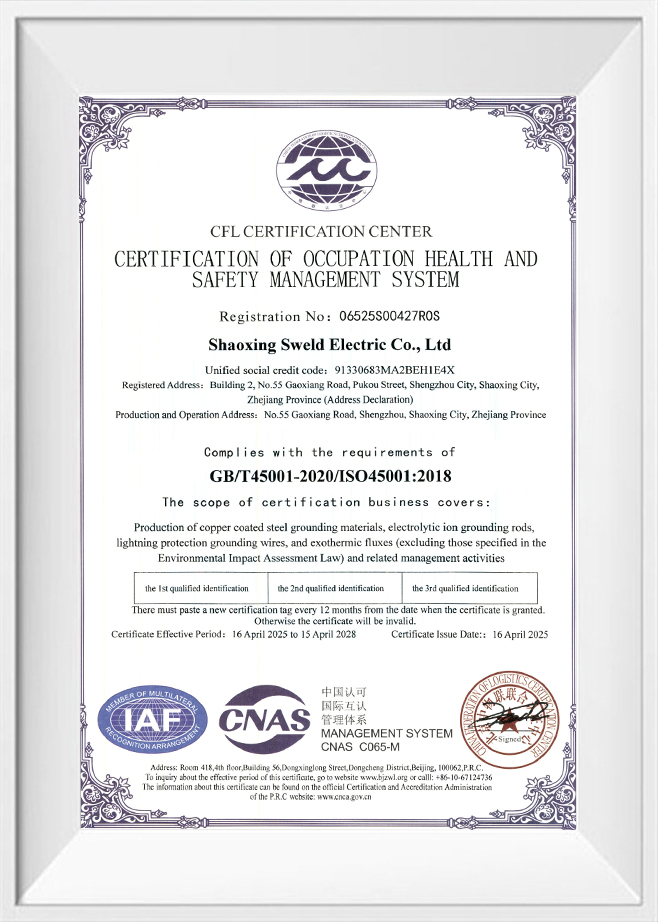
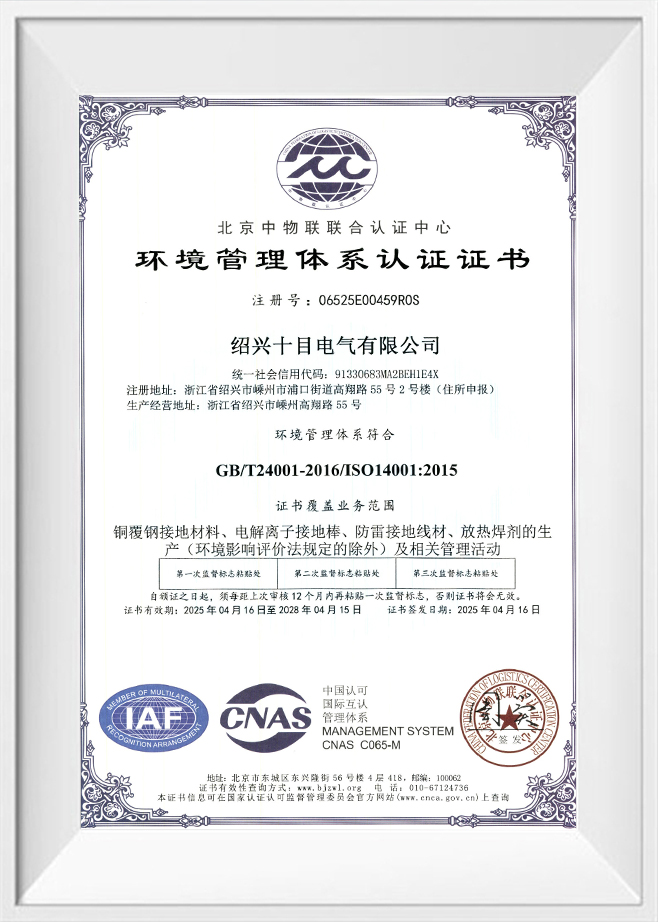
Shaoxing Sweld Electric Co., Ltd. has established a leading position in the grounding sector through its advanced manufacturing capabilities and specialized engineering focus. Operating from a 3,000-square-meter facility in Shengzhou, Shaoxing, the company utilizes 7 high-speed CNC machining centers to achieve micrometer-level precision across its entire product line. This technical infrastructure allows Sweld to provide real-time, custom-engineered solutions for complex grounding challenges, ensuring that every coupler and driving head is optimized for the rigorous demands of international power and telecommunications infrastructure. By submitting all products to rigorous national certification laboratory testing, Sweld ensures its accessories provide the superior mechanical support and electrical stability essential for high-reliability lightning protection and grounding facilities.
How Do Precision-Engineered Couplers and Driving Tools Ensure Structural Integrity During High-Impact Deep-Earth Installation?
The installation of a grounding system often requires driving rods deep into the earth to reach low-resistivity soil layers. This process subjects the rods and their accessories to extreme axial loads and percussive forces. The mechanical engineering of the accessories—specifically the couplers and driving heads—is what determines whether a rod reaches its target depth intact or fails midway through the process.
The Role of High-Strength Couplers in Deep-Driven Systems
In many geological profiles, a single ground rod is insufficient to reach the required resistance levels. Engineers must join multiple rods together to reach depths of thirty, fifty, or even one hundred feet. The coupler is the critical link in this chain. Shaoxing Sweld Electric Co., Ltd. manufactures couplers using high-strength brass or bronze alloys that are specifically selected for their ability to transmit driving energy without deformation.
A precision-machined coupler from Sweld features internal threads that are cut using high-speed CNC centers to ensure a perfect fit with the ground rod. This fit is essential because it ensures that the ends of the two rods meet tightly in the center of the coupler. When the ends meet, the driving force is transmitted directly from rod to rod rather than through the threads themselves. This "butt-joint" design prevents thread stripping and ensures that the electrical continuity remains uninterrupted across the joint. If a coupler were to fail or loosen during installation, the resulting gap would create a high-resistance point, effectively rendering the lower sections of the grounding system useless.
Protecting the Electrode with Specialized Driving Heads and Tips
The driving head is the sacrificial component that sits between the power hammer and the ground rod. Its purpose is to absorb the direct impact of the hammer and distribute that force evenly across the top of the rod. Shaoxing Sweld Electric designs driving heads from high-impact hardened steel to prevent the top of the copper-clad rod from "mushrooming" or deforming.
Mushrooming is a significant problem because it destroys the copper cladding at the top of the rod and prevents the subsequent attachment of couplers or clamps. By using a Sweld driving head, installers can apply maximum force with hydraulic or pneumatic hammers while preserving the rod's geometry. Similarly, for extremely hard or rocky soils, specialized drilling tips or "driving points" are attached to the lead rod. These tips are engineered to displace soil and small stones, reducing the friction and resistance encountered during the drive. This mechanical advantage allows for deeper installations in terrains where standard rods would otherwise bend or break.
Maintaining Thread Integrity and Corrosion Protection at Joints
A major concern in composite rod systems is the protection of the steel core at the threaded connection points. When threads are cut into a copper-clad rod, the steel core is briefly exposed. Sweld’s couplers are designed to be "internal-seal" components. When the rods are fully tightened into the coupler, the high-purity copper cladding of the rods is compressed against the internal surfaces of the coupler, creating a moisture-tight seal.
This seal prevents the ingress of electrolytes that could cause galvanic corrosion within the joint. Furthermore, the precision of Sweld’s CNC machining ensures that the threading process does not create micro-cracks in the copper layer. By maintaining this structural and chemical barrier, the accessories ensure that the connection remains as conductive and durable as the rod itself, even when buried in acidic or high-salinity soil for several decades.
What Material Properties Are Required for Ground Rod Accessories to Resist Environmental Degradation and Electrical Stress?
Grounding accessories are permanent installations that must survive in the earth for thirty to fifty years without maintenance. This requires a meticulous selection of materials that can resist chemical corrosion while managing the massive thermal and electrical surges associated with lightning strikes and system faults.
Corrosion Resistance through Alloy Selection and Surface Treatment
The soil is a chemically active environment. Ground rod accessories, particularly clamps and couplers, are often made from silicon bronze, high-conductivity brass, or stainless steel. Shaoxing Sweld Electric Co., Ltd. prioritizes alloys that are compatible with the copper cladding of the ground rods to prevent bimetallic corrosion.
Bimetallic corrosion occurs when two dissimilar metals are in contact in the presence of an electrolyte (moisture). By using accessories with a high copper content, Sweld ensures that the electrical potential between the rod and the accessory is minimized. This material harmony prevents the hardware from "eating itself" over time. Furthermore, for highly aggressive environments, Sweld can provide accessories with additional protective coatings or specialized alloy formulations that have passed rigorous national certification laboratory testing for salt spray and acid resistance.
Thermal Capacity and Surge Resilience
When a lightning strike or a high-voltage fault enters the grounding system, the accessories are subjected to instantaneous temperature spikes. The material must be able to handle this thermal shock without losing its mechanical clamping force or melting.
Sweld’s heavy-duty grounding clamps are designed with sufficient cross-sectional mass to act as a heat sink during these events. If a clamp were too small or made from an inferior alloy, the high resistance at the connection point could cause the metal to expand or even vaporize during a surge. This would result in a disconnected grounding path at the very moment it is needed most. The technical team at Sweld ensures that their hardware designs comply with the thermal requirements of international grounding standards, providing a "solid defense" against the destructive power of electrical transients.
Mechanical Robustness and Resistance to Soil Movement
Once installed, grounding accessories are subject to the physical movement of the earth. Frost heave, seismic activity, and the settling of backfill can exert significant lateral and vertical pressure on buried connections. Accessories like "U-bolt" clamps and heavy-duty "G-clamps" from Sweld are engineered with high-torque capabilities.
These clamps use high-strength bolts that allow for a secure, high-pressure connection between the ground rod and the conductor. The mechanical design ensures that the connection remains tight even as the soil shifts or vibrates due to nearby industrial activity. This robustness is a key factor in the long-term reliability of the system, as it prevents the high-resistance "loose connections" that are the primary cause of grounding system failure in large-scale industrial equipment grounding.
|
Accessory Type |
Primary Material |
Key Function |
Sweld Engineering Advantage |
|---|---|---|---|
|
Threaded Coupler |
High-Strength Bronze |
Joining multiple rods |
CNC-machined butt-joint precision |
|
Driving Head |
Hardened Impact Steel |
Impact absorption |
Prevents "mushrooming" of rod tops |
|
Grounding Clamp |
Silicon Bronze / Brass |
Rod-to-conductor link |
High-torque, anti-corrosion design |
|
Drilling Tip |
Hardened Steel |
Soil displacement |
Facilitates deep drive in rocky terrain |
|
U-Bolt Clamp |
Stainless Steel / Bronze |
Large-surface connection |
Accommodates multiple wire sizes |
|
Driving Sleeve |
Alloy Steel |
Tool interface |
Protects threads during hammer use |
How Do Integrated Ground Rod Accessories Optimize System Efficiency and Lifetime Maintenance Costs?
The value of an earthing system is not just in its individual parts but in how those parts work together to reduce the "Total Cost of Ownership." High-quality accessories facilitate faster installation, reduce the need for future repairs, and ensure the safety of the entire electrical infrastructure.
Improving Installation Efficiency and Reducing Labor Costs
Time is a major factor in the cost of large-scale infrastructure projects, such as substation grounding grids or 5G telecommunications towers. Precision accessories from Shaoxing Sweld Electric Co., Ltd. are designed for ease of use. For example, their threaded couplers and driving sleeves are engineered to be engaged quickly by hand before being tightened with tools.
The accuracy of the CNC-machined threads means that installers do not waste time struggling with cross-threaded components or "stuck" rods. Furthermore, the daily production capacity of 180 sets of molds and the availability of a complete set of products—including rods, wires, and accessories—means that contractors can source their entire grounding kit from a single, reliable manufacturer. This reduces logistical complexity and ensures that every part in the system is chemically and mechanically compatible, leading to a faster and more reliable construction cycle.
Enhancing Electrical Contact and Reducing Contact Resistance
The ultimate goal of a grounding system is to provide a low-impedance path to the earth. The "contact resistance" at the connection points between the rod, the accessories, and the conductors is a major component of the total system impedance. Sweld’s accessories are designed to maximize the contact surface area.
Their high-strength clamps are shaped to "bite" into the copper cladding of the rod and the stranded wire, creating multiple points of electrical contact. This reduces the resistance at the joint, ensuring that fault currents are dissipated into the earth as efficiently as possible. When these accessories are used in conjunction with Sweld’s 500-ton annual production of exothermic welding powder, the system reaches its peak performance. Exothermic welding creates a molecularly fused joint that eliminates contact resistance entirely, but high-quality mechanical accessories remain essential for the initial securing and temporary connections required during the testing and build phases.
Reducing Maintenance Complexity and Ensuring Long-Term Safety
A grounding system is often "out of sight, out of mind" until a failure occurs. However, a failure in a lightning protection project can lead to catastrophic damage to buildings or equipment. By using corrosion-resistant and mechanically stable accessories from Sweld, facility managers can significantly reduce the complexity of their maintenance schedules.
Because Sweld’s products are passed through national certification laboratory testing, they offer a predictable performance profile. There is no need for frequent excavation to check for corroded clamps or loosened couplers. This "install and forget" reliability is essential for modern high-rise structures and data centers, where access to buried grounding components is often restricted after the completion of construction. The quality of Sweld’s Ground Rod Accessories provides the long-term safety and stability required to protect life and property against the unpredictable nature of electrical surges and leakage incidents.