


 English

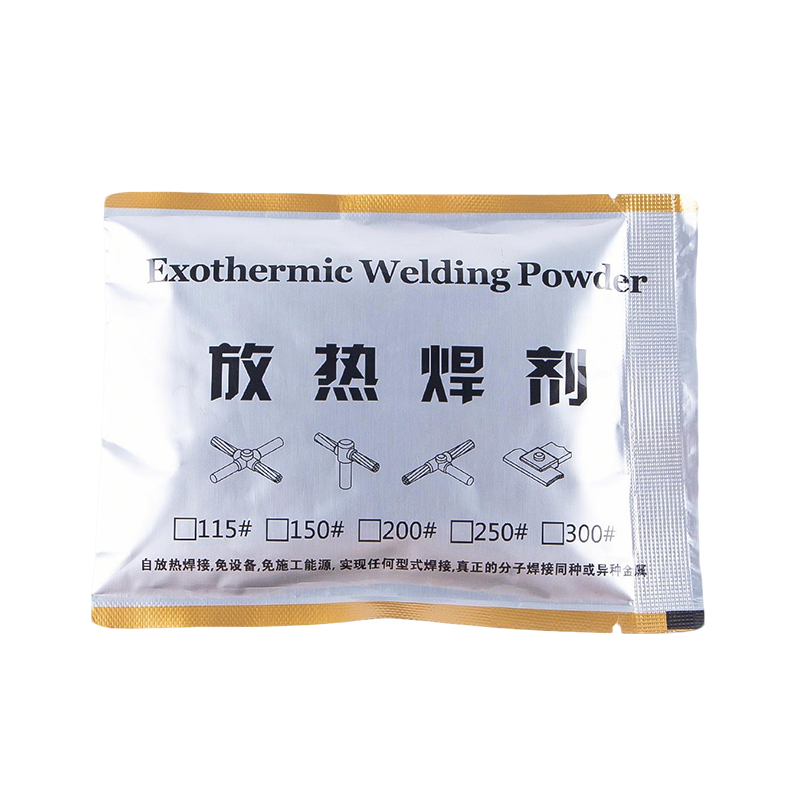


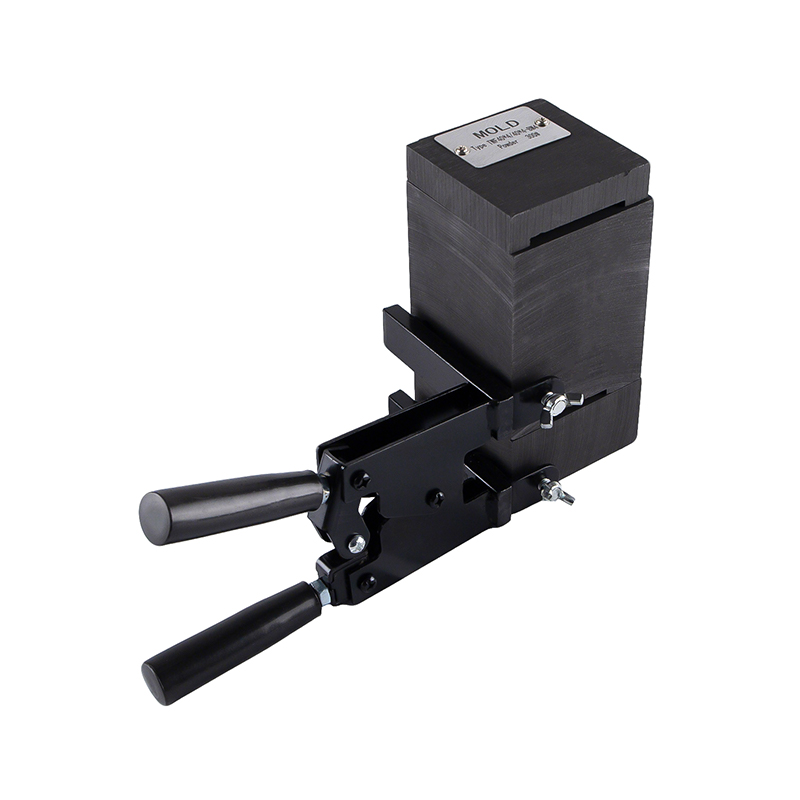
In What Situations Must Exothermic Welding Be Used Instead of Mechanical Clamps or Crimping?
The Role of Connection Methods in Grounding and Lightning Protection Systems
In grounding and lightning protection systems, the reliability of electrical connections directly affects system continuity, fault current dissipation, and long-term operational stability. Common connection methods include mechanical clamps, crimping, and exothermic welding. Each method has its own applicable conditions, but they do not offer the same performance under all circumstances. Exothermic welding, which creates a permanent metallurgical bond between conductors, is often specified in engineering standards for situations where mechanical contact alone cannot meet long-term or high-stress requirements.
Applications with Limited Access for Inspection and Maintenance
Grounding connections installed underground, embedded in concrete foundations, or located in remote infrastructure are difficult to inspect or maintain after installation. Mechanical clamps and crimped joints rely on sustained contact pressure, which may change over time due to soil movement, thermal cycling, or material relaxation. Exothermic welding forms a solid metal joint that does not depend on tightening force. In projects where grounding conductors and ground rods are expected to remain in service for decades without intervention, exothermic welding is often selected as the preferred connection method.
High Fault Current and Lightning Discharge Conditions
Substations, transmission towers, renewable energy installations, and lightning protection systems must safely conduct high fault currents or lightning impulse currents. Mechanical clamps and crimped connections can introduce localized resistance points, which may lead to heating or instability during extreme electrical events. Exothermic welding produces a continuous conductive path with electrical characteristics close to the base conductor. For down conductors connected to ground rods or grounding grids exposed to lightning discharge, exothermic welding is frequently required by design specifications.
| Application Scenario | Electrical Stress Characteristics | Connection Method Commonly Specified |
| Lightning protection down conductor | High impulse current, short duration | Exothermic welding |
| Substation grounding grid | High fault current, thermal stress | Exothermic welding |
| General equipotential bonding | Low to moderate current | Mechanical clamp or crimping |
Environmental Exposure and Corrosion Considerations
Soil chemistry, moisture, airborne pollutants, and industrial chemicals all influence the durability of grounding connections. Mechanical clamps typically introduce multiple contact interfaces and fastening elements, which can become corrosion sites over time. Crimped connections may also allow moisture ingress if sealing is insufficient. Exothermic welding eliminates exposed interfaces by forming a single solid joint, reducing the likelihood of resistance increase caused by corrosion. In coastal areas, chemical facilities, or locations with aggressive soil conditions, this characteristic is a key reason exothermic welding is specified.
Standard-Driven Requirements in Engineering Projects
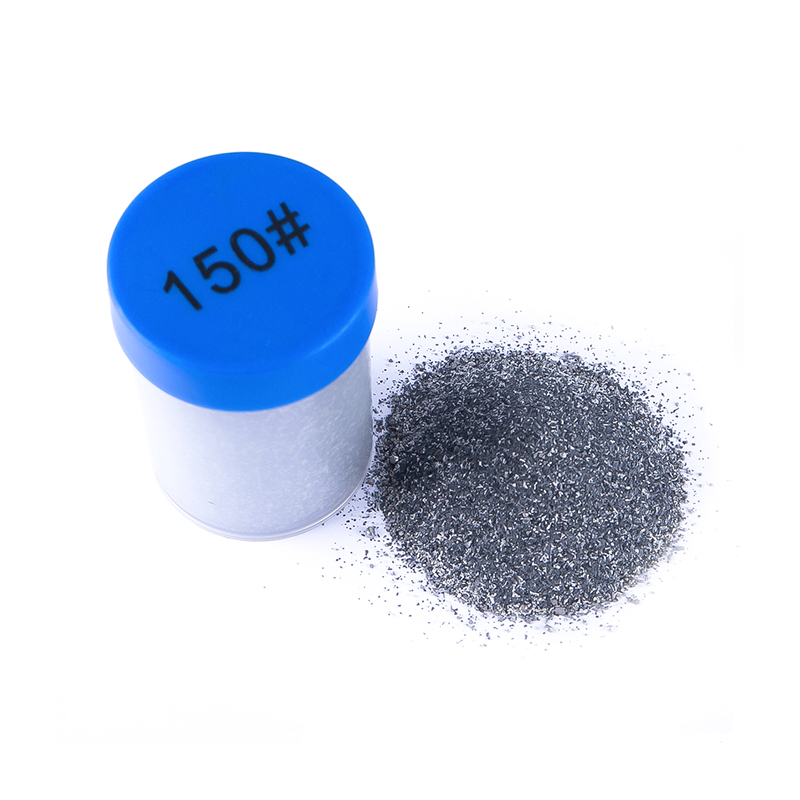
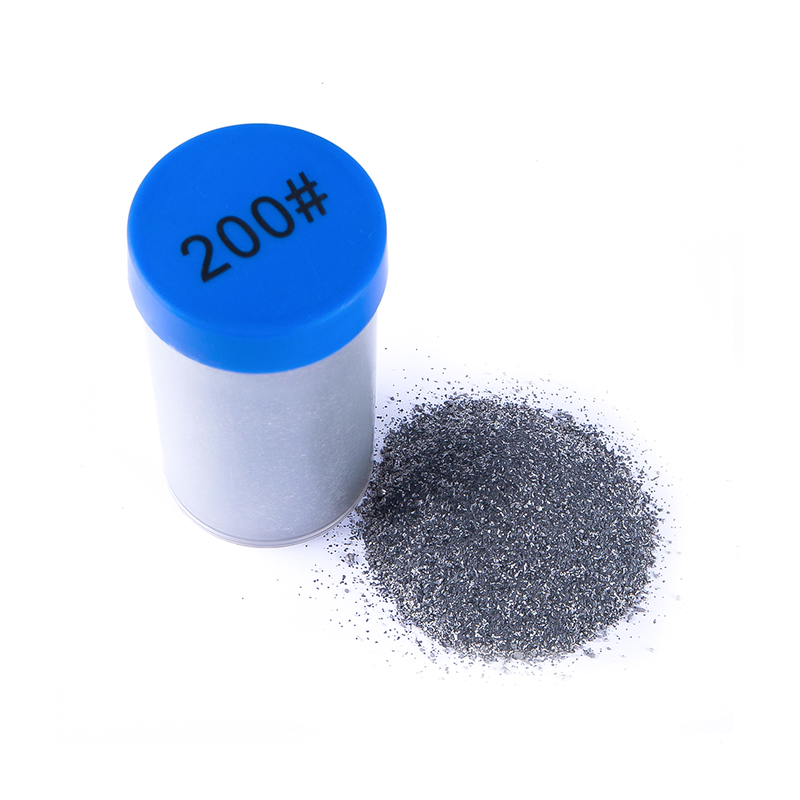
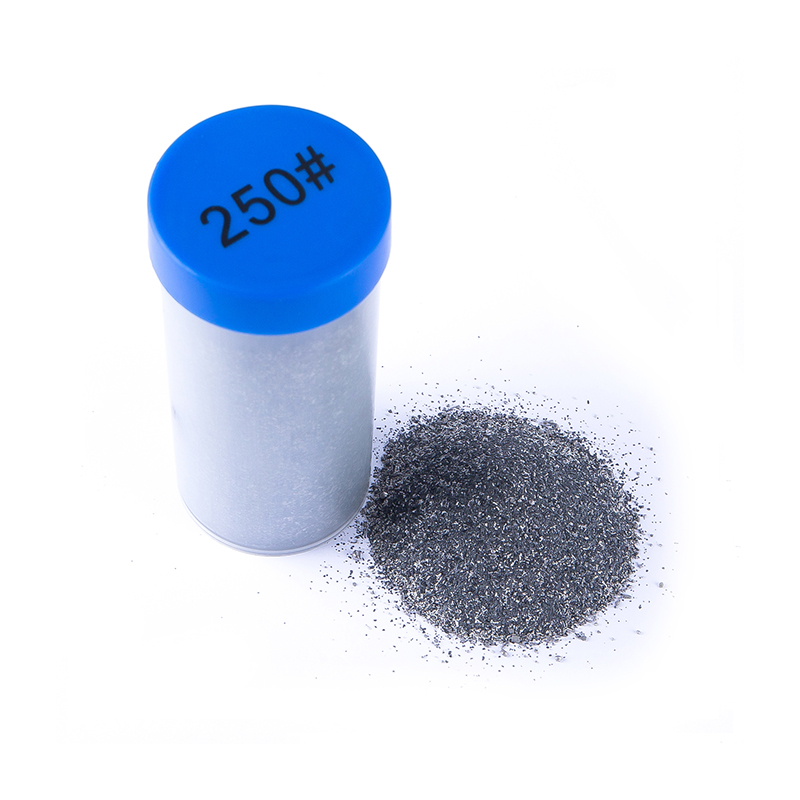
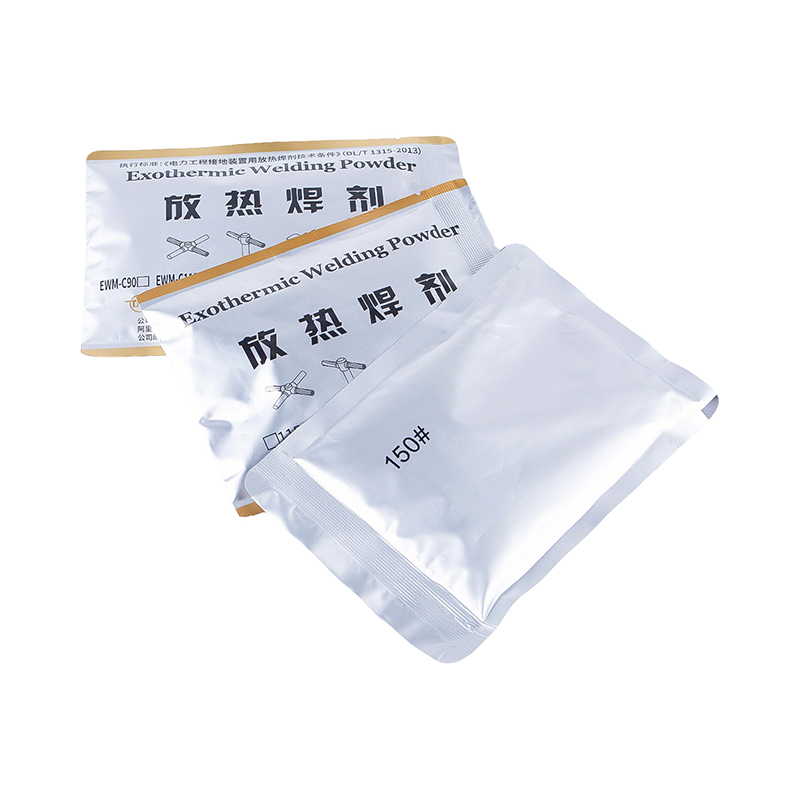
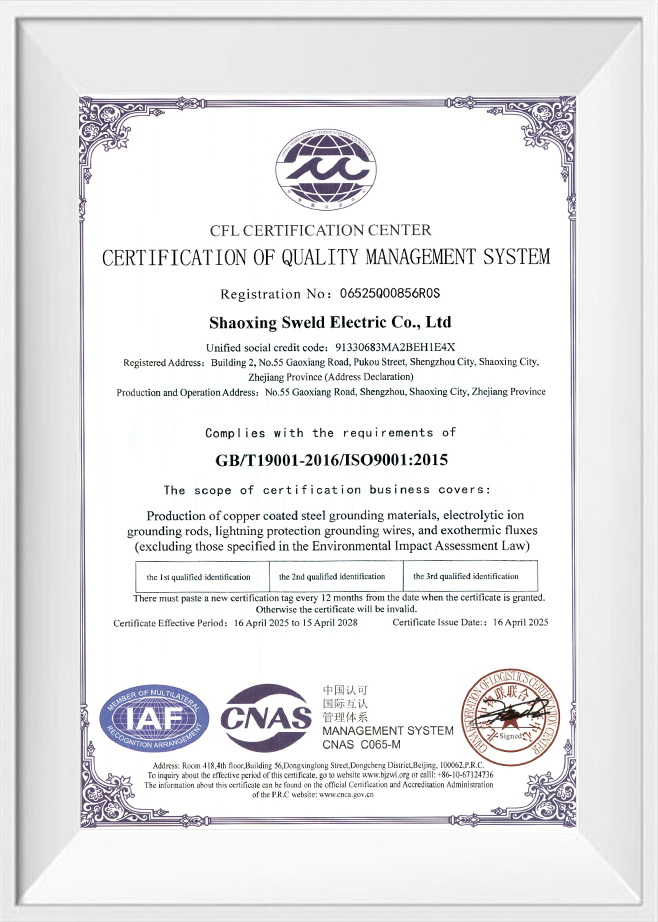
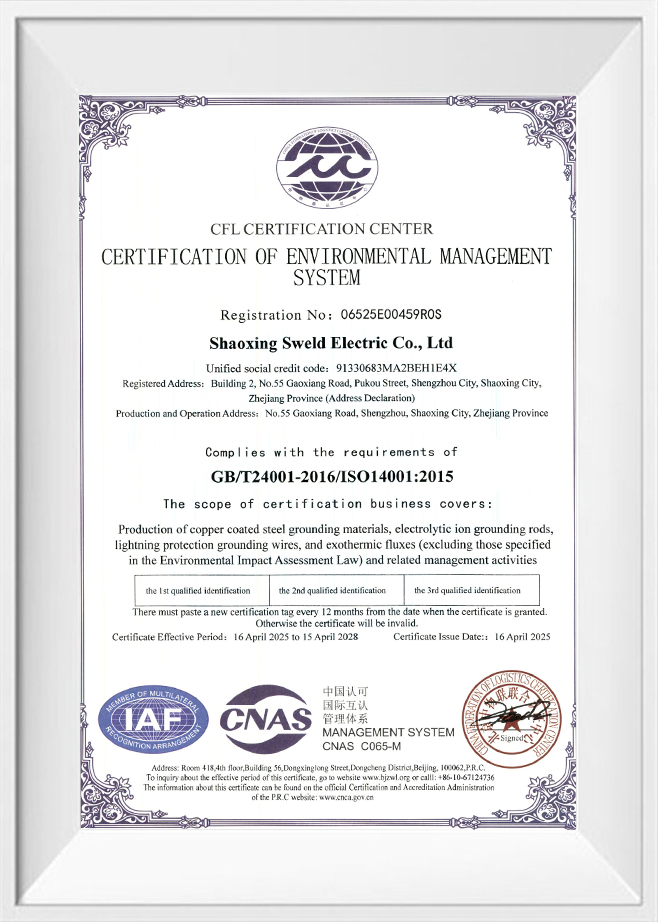
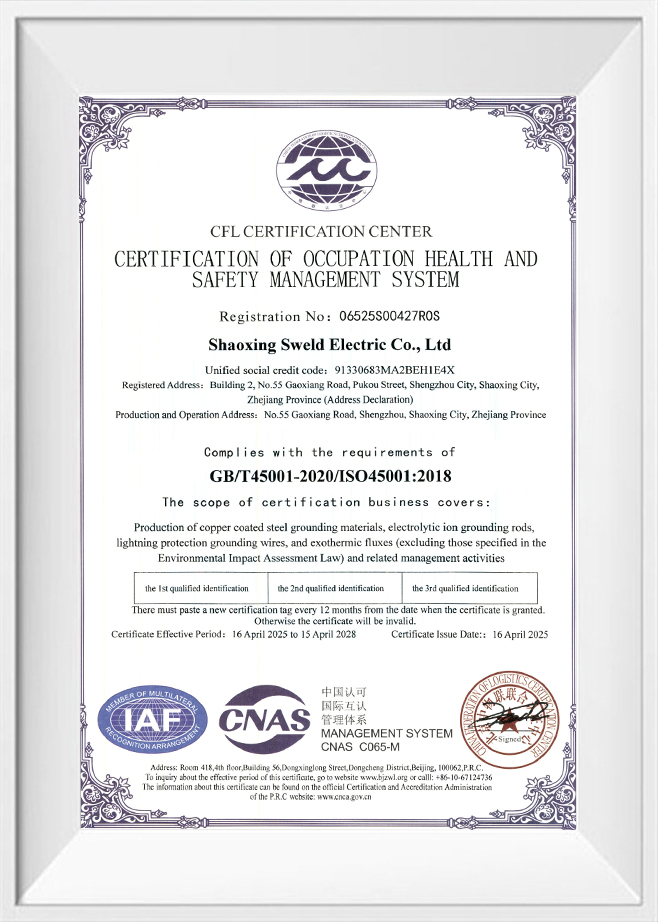
Many international grounding and lightning protection standards specify exothermic welding for primary grounding connections. These requirements are based on long-term field experience rather than installation convenience. In large infrastructure projects, engineering documents may explicitly restrict the use of mechanical clamps for critical conductors. Manufacturers such as Shaoxing Sweld Electric Co., Ltd., which supply exothermic welding powder, molds, ground rods, grounding conductors, and related electrical connection components, typically support these requirements by providing standardized materials compatible with such specifications.
Connections Between Dissimilar Metals
Grounding systems frequently require connections between copper conductors and steel components such as ground rods, reinforcing bars, or structural steel. Mechanical connections between dissimilar metals may increase the risk of galvanic interaction over time. Exothermic welding materials are formulated to bond different base metals into a stable joint. In copper-to-steel connections where long-term electrical continuity is required, exothermic welding is often selected to minimize electrochemical effects and maintain consistent conductivity.
| Connection Combination | Typical Concern with Mechanical Methods | Exothermic Welding Effect |
| Copper to copper | Contact pressure variation | Uniform conductive joint |
| Copper to steel | Galvanic interaction | Alloyed metallurgical bond |
| Steel to steel | Surface oxidation | Continuous current path |
Installations Subject to Vibration or Structural Movement
Railway systems, bridges, wind power installations, and heavy industrial facilities are subject to continuous vibration or mechanical movement. Mechanical clamps may loosen under repeated stress, while crimped joints can experience fatigue at deformation points. Exothermic welding removes fasteners and mechanical interfaces from the connection, making it suitable for environments where movement cannot be avoided and long-term electrical continuity is required.
Consistency Requirements in Large-Scale Grounding Projects
Large grounding and lightning protection projects often involve a high number of connection points. Achieving consistent electrical performance across all joints can be challenging when connection quality depends on manual tightening or crimping technique. Exothermic welding, supported by standardized welding powder formulations and precisely matched molds, allows installers to produce repeatable results across varied conductor sizes and layouts, which is particularly important in grid-scale or infrastructure applications.
Situations Where Mechanical Clamps and Crimping Remain Applicable
Mechanical clamps and crimped connections remain suitable for certain applications, such as accessible indoor bonding points, temporary installations, or low-current systems where periodic inspection is feasible. Selecting the appropriate connection method requires balancing electrical demand, environmental exposure, and expected service life. Exothermic welding is therefore not a universal replacement, but a necessary solution in situations where mechanical methods cannot reliably meet system requirements.
FAQ
Q: In what types of projects is an exothermic welding solution typically specified?
A: An exothermic welding solution is commonly specified in grounding and lightning protection projects where long-term electrical stability is required. These include substations, transmission lines, renewable energy facilities, industrial plants, and infrastructure projects where grounding connections are buried, embedded in concrete, or otherwise inaccessible after installation. In such cases, the solution is selected to ensure consistent conductivity throughout the service life of the system.
Q: How does an exothermic welding solution support large-scale grounding systems?
A: Large-scale grounding systems often involve numerous connection points between ground rods, grounding wires, and structural steel. An exothermic welding solution allows these connections to be made with repeatable electrical performance, reducing variability caused by manual tightening or crimping quality. When supported by stable welding powder supply, flexible packaging options, and precision molds, the solution can be applied efficiently across complex conductor layouts.
Q: Why is an exothermic welding solution preferred for copper-to-steel connections?
A: Copper-to-steel connections are common in grounding systems that combine copper conductors with steel ground rods or rebar. Mechanical connections between dissimilar metals may be affected by electrochemical interaction over time. An exothermic welding solution uses alloyed welding material to form a direct metallurgical bond, helping maintain electrical continuity and reducing long-term resistance changes at the connection point.
Q: How does environmental exposure influence the choice of an exothermic welding solution?
A: Environmental factors such as soil moisture, salinity, industrial chemicals, and atmospheric conditions can affect connection durability. An exothermic welding solution creates a solid joint without exposed contact interfaces, making it suitable for corrosive or high-moisture environments. This characteristic is particularly relevant for coastal installations, chemical facilities, and underground grounding networks.
Q: Can an exothermic welding solution be adapted to different conductor sizes and configurations?
A: Yes, an exothermic welding solution can be adapted through the use of matched molds designed for specific conductor types and sizes. With CNC-machined molds and real-time design capability, connections involving ground rods, stranded wire, grounding tape, or lightning protection conductors can be accommodated, allowing the solution to fit diverse engineering requirements.
Q: How does current load affect the selection of an exothermic welding solution?
A: Systems expected to carry high fault currents or lightning impulse currents place greater stress on grounding connections. An exothermic welding solution forms a continuous conductive path with electrical characteristics close to the base material, making it suitable for applications where thermal and electrical stresses exceed what mechanical clamps or crimped joints are typically designed to handle.
Q: Is an exothermic welding solution suitable for projects with strict construction schedules?
A: In projects with tight timelines, a complete exothermic welding solution that includes reliable welding powder supply, standardized packaging, and readily available molds can support efficient installation. Consistent material quality and the ability to quickly provide suitable molds help reduce delays during on-site grounding and bonding work.