


 English

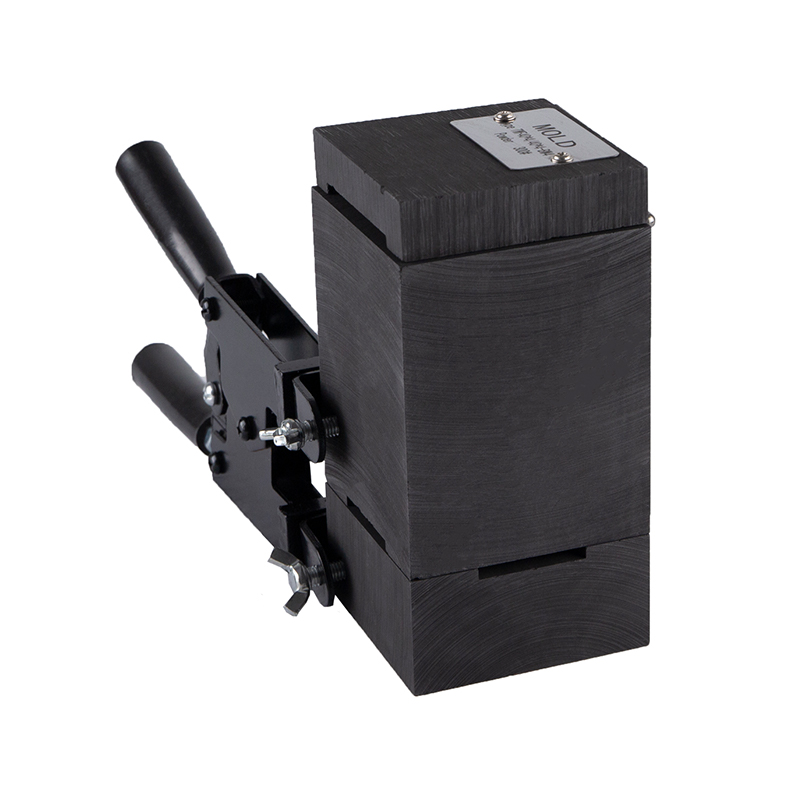

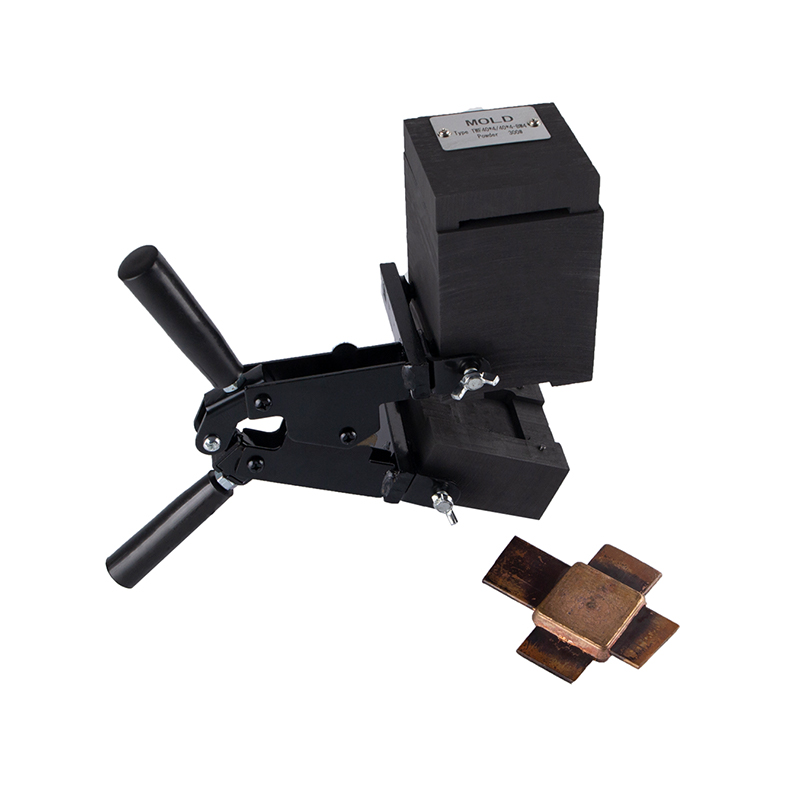
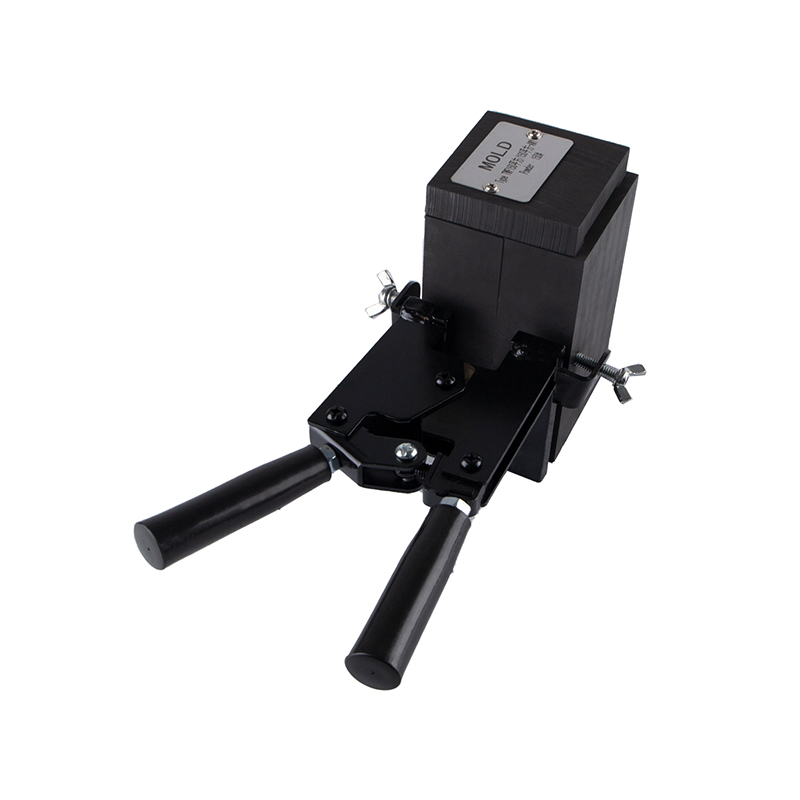
The Role of Exothermic Welding Molds in the Welding Process
Purpose and Function of the Welding Mold
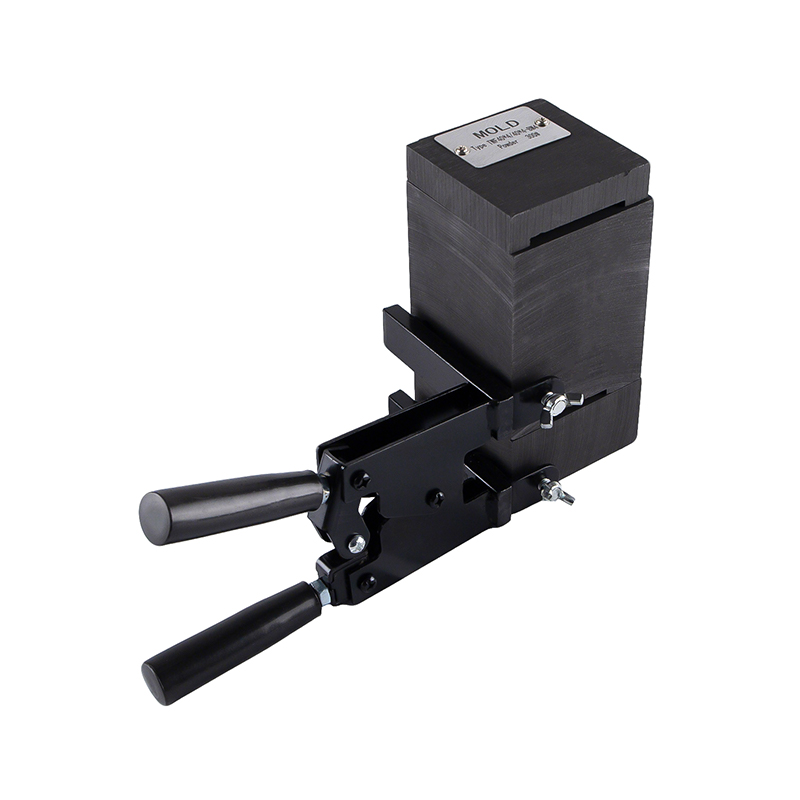
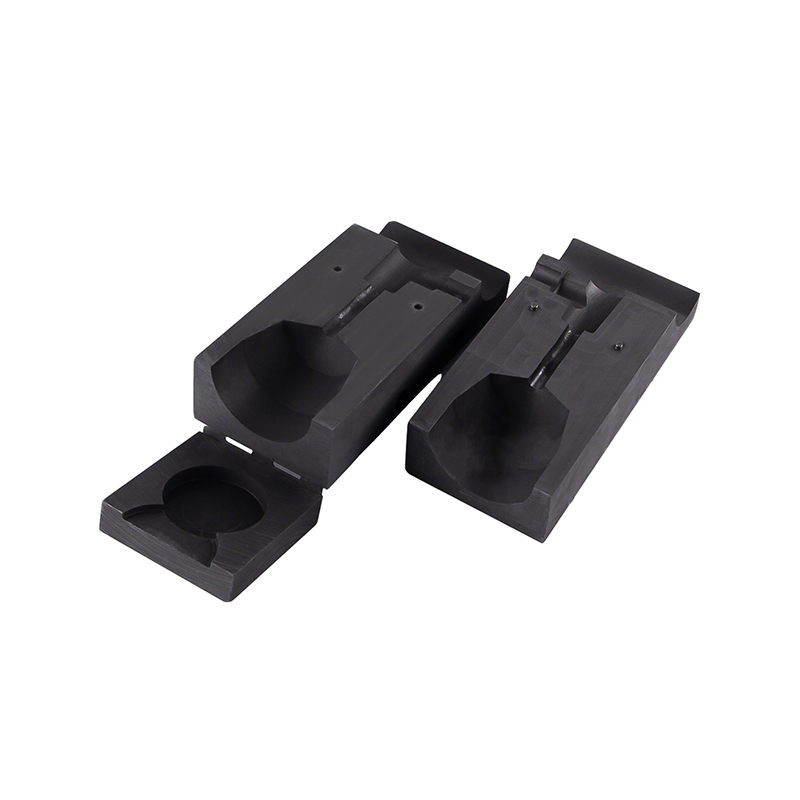
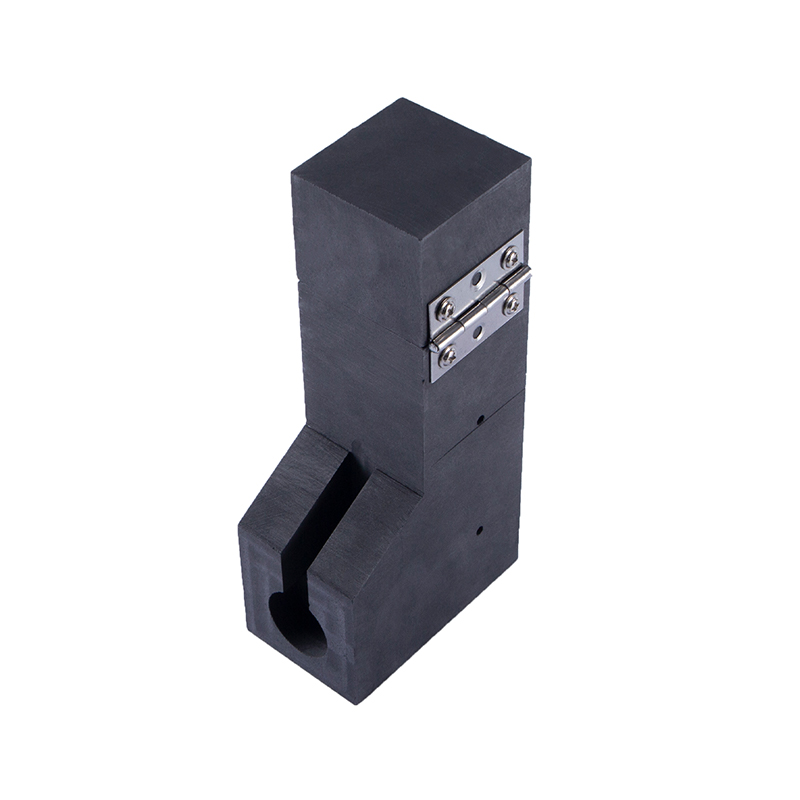
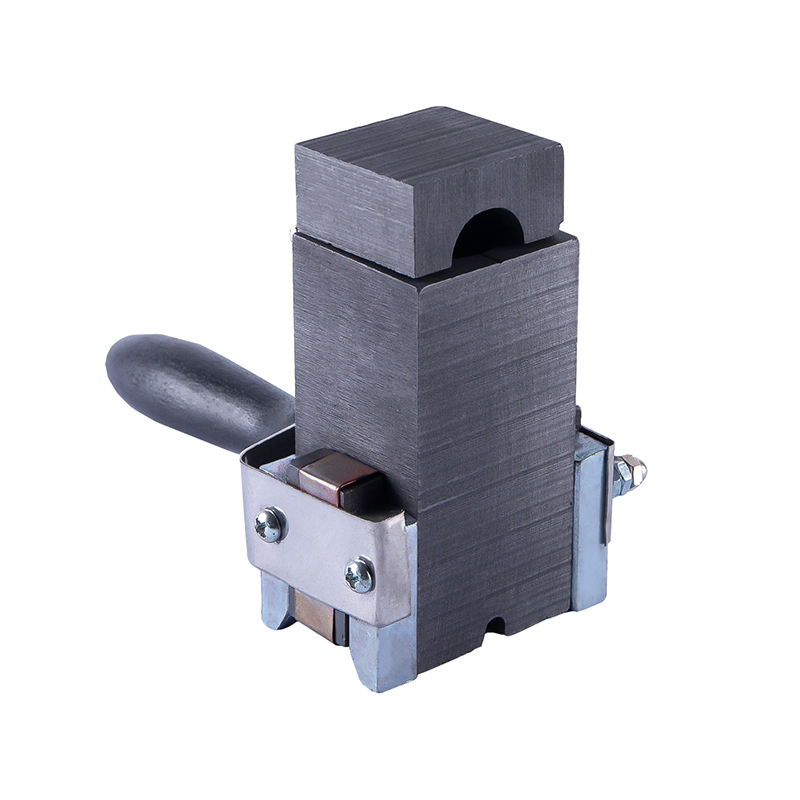
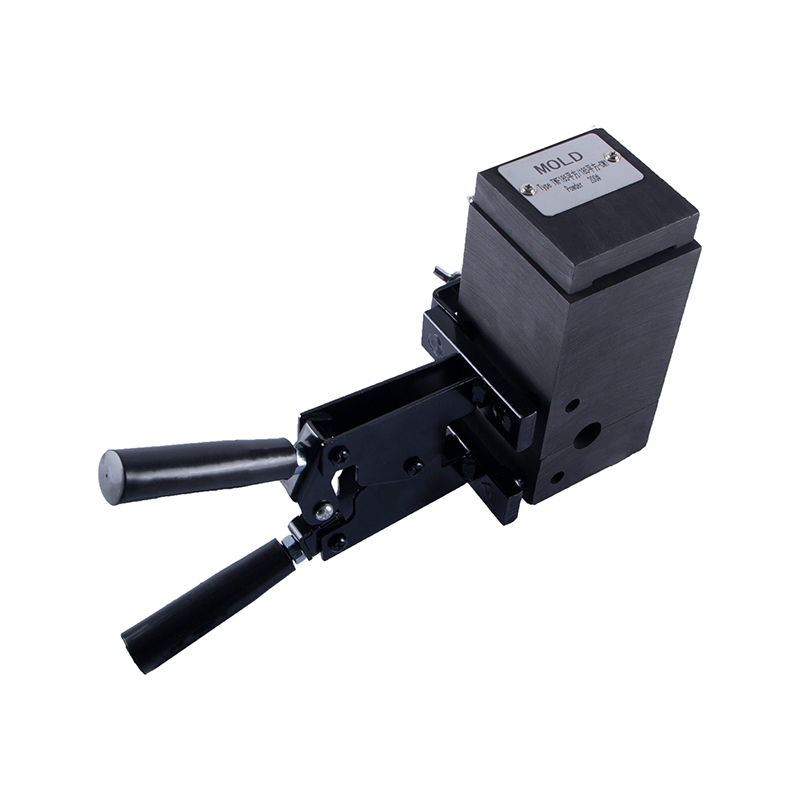
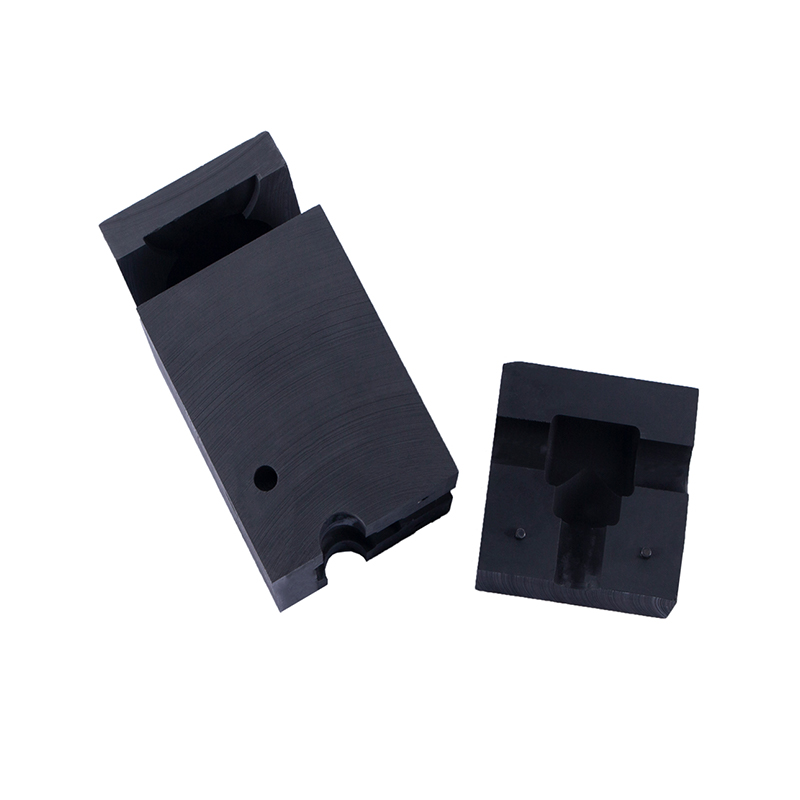
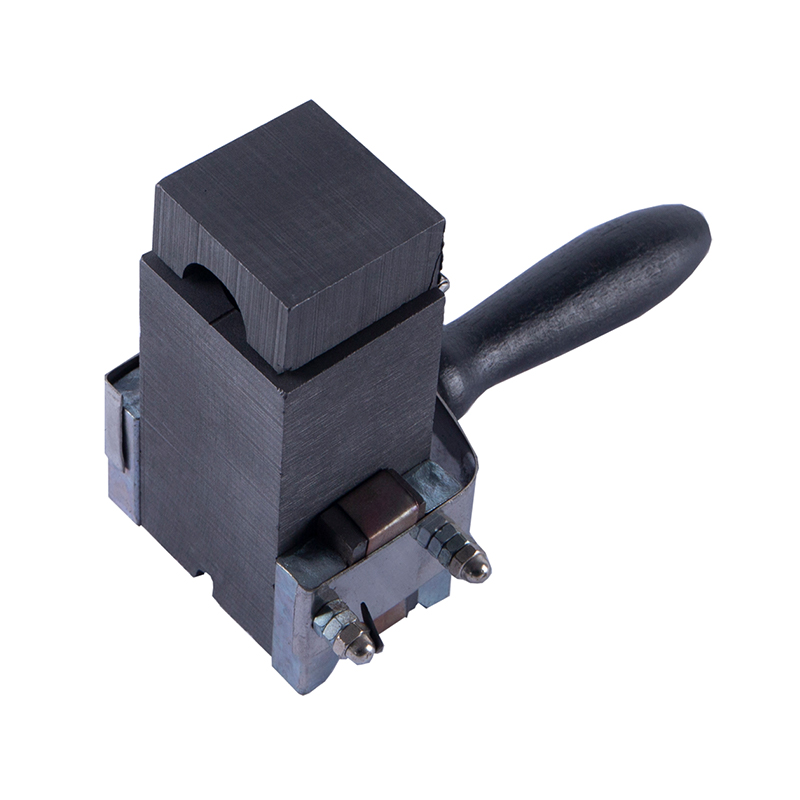
Exothermic welding molds are essential tools that shape and contain the exothermic reaction when joining conductors and grounding components. They provide a controlled environment for the molten metal generated by the exothermic welding powder, ensuring that the molten copper or alloy flows precisely around the conductors to form a permanent metallurgical bond. Shaoxing Sweld Electric Co., Ltd. designs molds that accommodate different conductor sizes, materials, and joint configurations, facilitating consistent and reliable connections.
Ensuring Accurate Conductor Alignment
The welding mold holds the conductors in the correct orientation and spacing during the welding process. Proper alignment is critical to achieve uniform contact between the materials and to prevent gaps or weak spots in the joint. The high-speed CNC machining centers at Shaoxing Sweld Electric Co., Ltd. allow for the production of molds with precise dimensions that match the specific conductors used in grounding systems and lightning protection installations.
Containment of the Exothermic Reaction
Exothermic welding generates high temperatures and molten metal. The mold acts as a containment vessel, preventing spillage and directing the molten metal into the joint area. This containment not only ensures a safe operation for the installer but also guarantees that the metal fully surrounds the conductors for optimal conductivity and mechanical stability.
Reusability and Longevity
Welding molds are designed to withstand repeated exothermic reactions without significant degradation. Properly maintained molds can be used multiple times, providing consistent joint quality over many welding operations. Shaoxing Sweld Electric Co., Ltd. produces molds with durable materials and precise finishes that allow for repeated use while maintaining safety and performance standards.
Impact on Joint Quality and Electrical Performance
The mold directly affects the quality of the welded joint. Uniform molds lead to consistent welds with low resistance and strong mechanical connections. Variations in mold design or alignment can result in incomplete fusion or uneven metal flow, potentially compromising electrical continuity. Shaoxing Sweld Electric Co., Ltd. emphasizes precision mold design to maintain high reliability in grounding and lightning protection applications.
| Mold Feature | Function in Welding Process | Benefit to Installation |
| Precise cavity dimensions | Shapes molten metal to fully cover conductors | Ensures consistent electrical and mechanical connection |
| Conductor holders | Aligns and stabilizes conductors | Prevents gaps and misalignment during welding |
| Durable material | Withstands repeated high-temperature reactions | Allows multiple uses and reduces mold replacement costs |
| Safety containment | Directs molten metal within the mold | Reduces risk of spillage and improves installer safety |
| Customizable shape | Adapts to different conductor types and sizes | Supports a wide range of grounding and lightning protection applications |
Integration with Exothermic Welding Powder
The mold and the exothermic welding powder function together to create a reliable joint. Shaoxing Sweld Electric Co., Ltd. provides molds that match their powder formulations and conductor types, ensuring that the reaction energy is fully utilized for optimal metal flow and joint strength. Correct pairing of mold and powder is essential for safety, repeatability, and electrical performance.
On-Site Considerations for Mold Use
During field installation, molds should be placed on stable surfaces and handled carefully to maintain alignment and prevent spillage. Clean molds free of debris allow for consistent metal flow and prevent weak joints. Shaoxing Sweld Electric Co., Ltd. supplies molds with standardized interfaces and ergonomic designs to simplify on-site use and reduce installation errors.
Maintenance and Inspection of Molds
Regular inspection and cleaning of molds are necessary to maintain joint quality. Residual metal should be removed, and cavities should be checked for wear or deformation. Shaoxing Sweld Electric Co., Ltd. recommends periodic inspection to ensure molds remain in proper condition for safe, consistent, and effective exothermic welding operations.
FAQ
Q: How does the design of an exothermic welding mold influence the quality of the weld?
A: The mold determines the flow and containment of molten metal during the exothermic reaction, ensuring complete coverage of the conductors. Shaoxing Sweld Electric Co., Ltd. produces molds with precise dimensions that support consistent electrical continuity and mechanical strength in grounding and lightning protection systems.
Q: Can exothermic welding molds be used for different conductor types and sizes?
A: Yes, molds can be customized for copper, copper-clad steel, and stranded wires of various diameters. Shaoxing Sweld Electric Co., Ltd. provides molds tailored to specific conductor combinations to achieve reliable, repeatable joints in the field.
Q: What safety features are incorporated into exothermic welding molds?
A: Molds are designed to contain the high-temperature molten metal within a controlled cavity, reducing spillage and exposure to installers. Shaoxing Sweld Electric Co., Ltd. ensures that their molds have durable materials and stable structures to enhance safety during on-site welding operations.
Q: How does mold maintenance affect the performance of exothermic welding?
A: Proper cleaning and inspection of molds prevent residue buildup that could alter molten metal flow and reduce joint quality. Shaoxing Sweld Electric Co., Ltd. recommends routine checks to maintain the mold’s cavity shape and ensure consistent, reliable welding results.
Q: Are exothermic welding molds reusable, and what limits their lifespan?
A: Molds can be reused multiple times, but repeated exposure to high temperatures and metal residue may eventually cause wear or deformation. Shaoxing Sweld Electric Co., Ltd. produces molds from durable materials to maximize reusability while maintaining precision and safety.
Q: How does the mold interact with exothermic welding powder during the reaction?
A: The mold shapes and confines the molten metal produced by the powder, directing it to flow evenly around the conductors. Proper mold design ensures efficient use of the powder and a strong metallurgical bond. Shaoxing Sweld Electric Co., Ltd. aligns mold specifications with their powder formulations for consistent welding performance.
Q: Can exothermic welding molds improve efficiency in large-scale grounding installations?
A: Yes, molds allow quick, repeatable joints with minimal material waste, facilitating large-scale installations. Shaoxing Sweld Electric Co., Ltd. supports high-volume production with molds designed for rapid assembly while maintaining joint reliability.