


 English
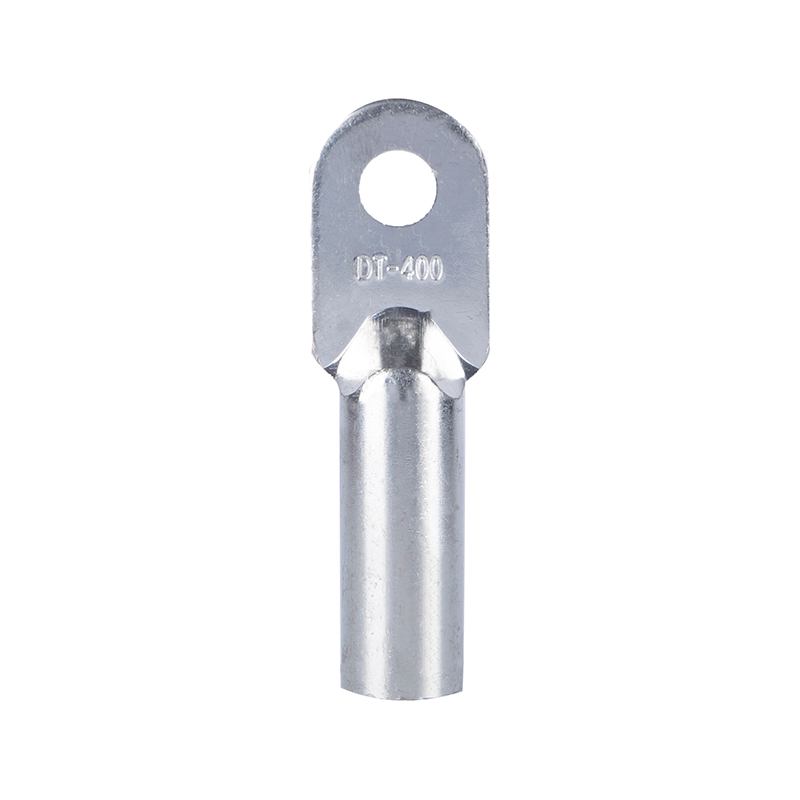
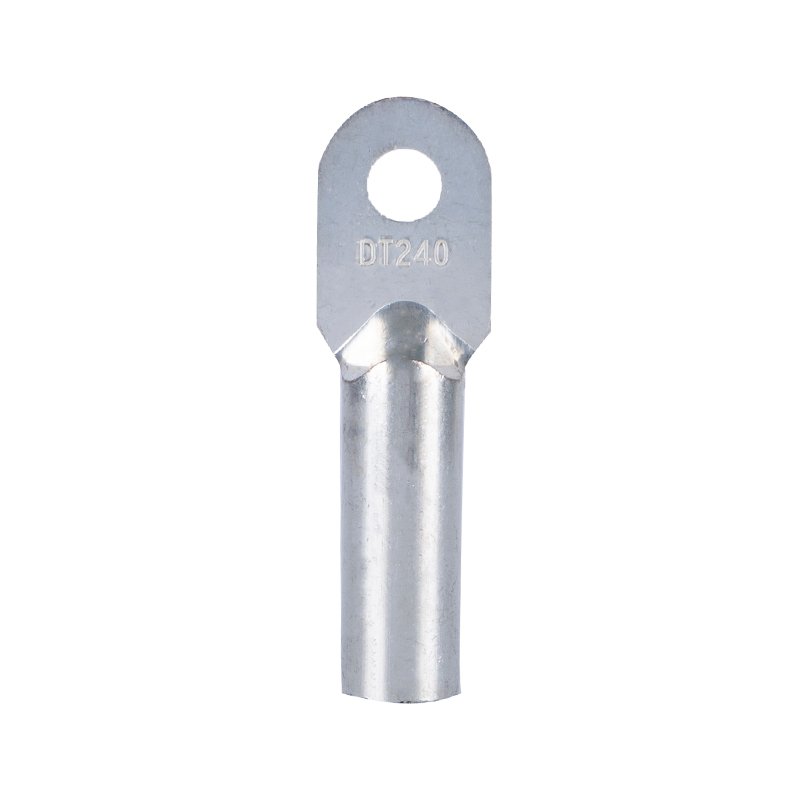
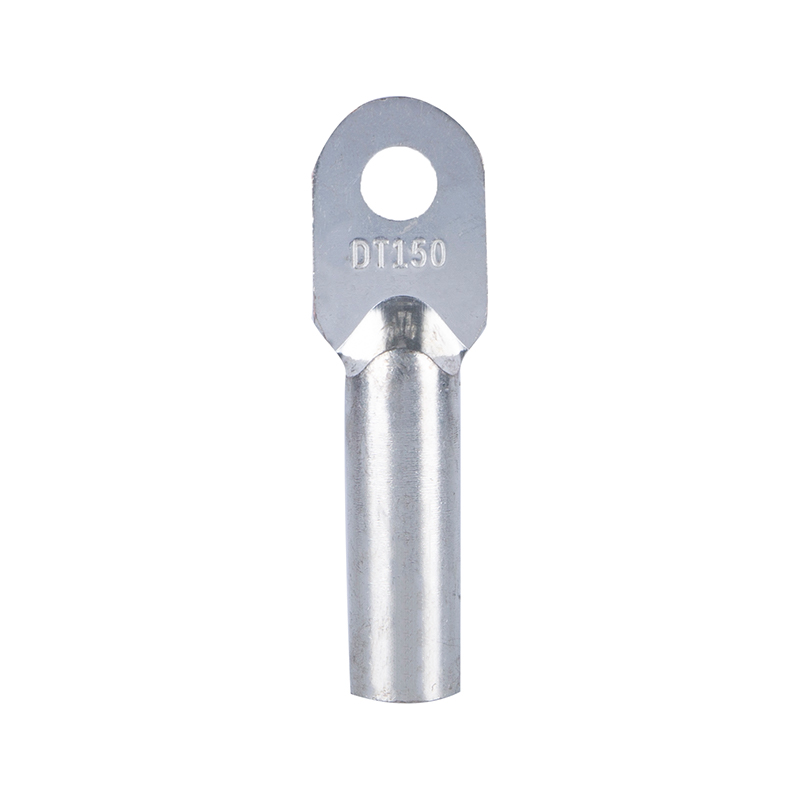
Is the Tin-Plated DT Type Copper Lug Annealed to Improve Crimping Ductility?
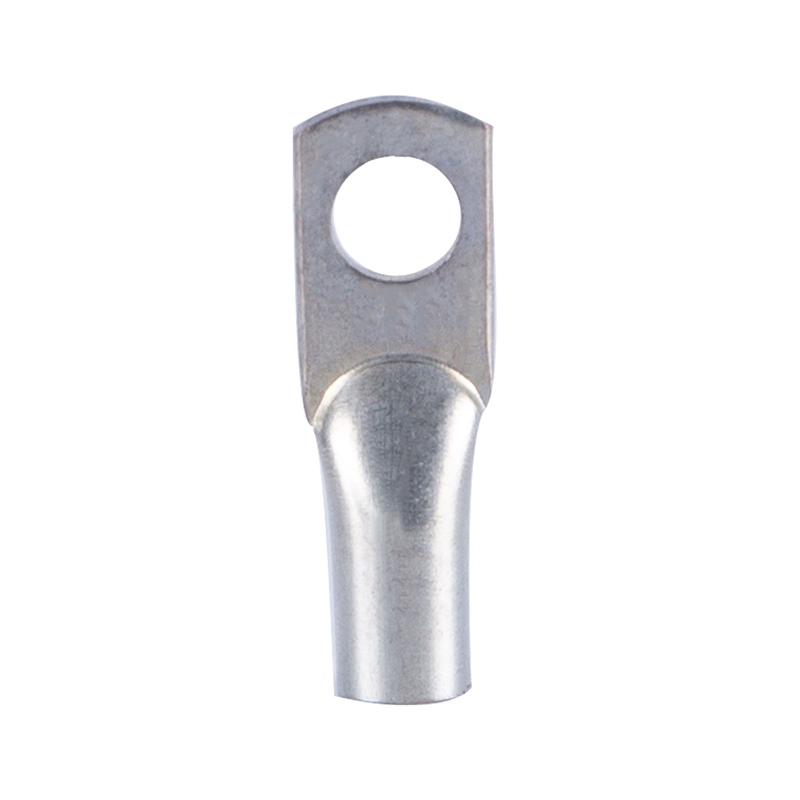
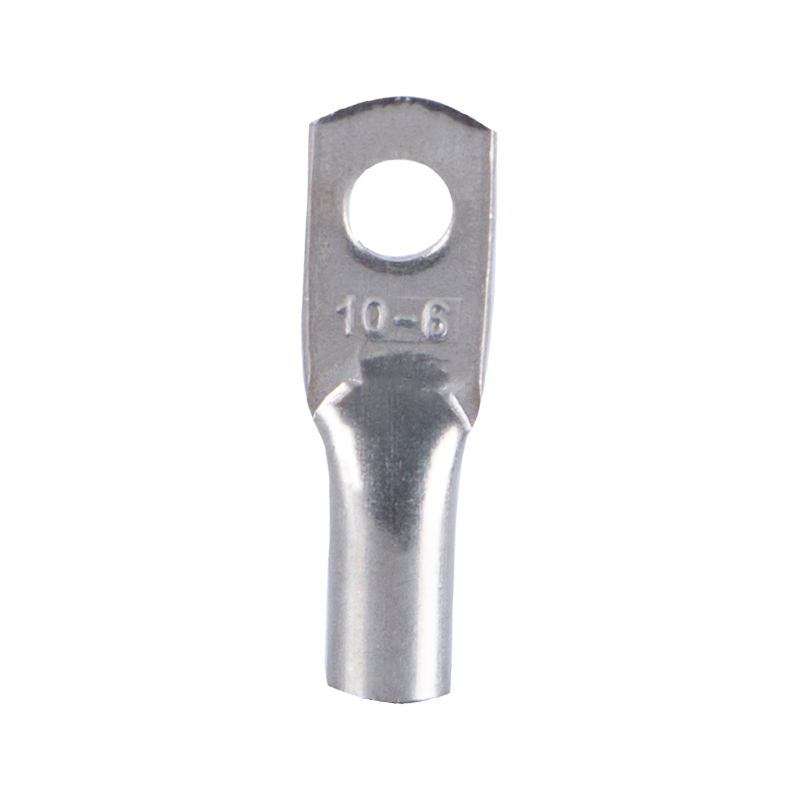
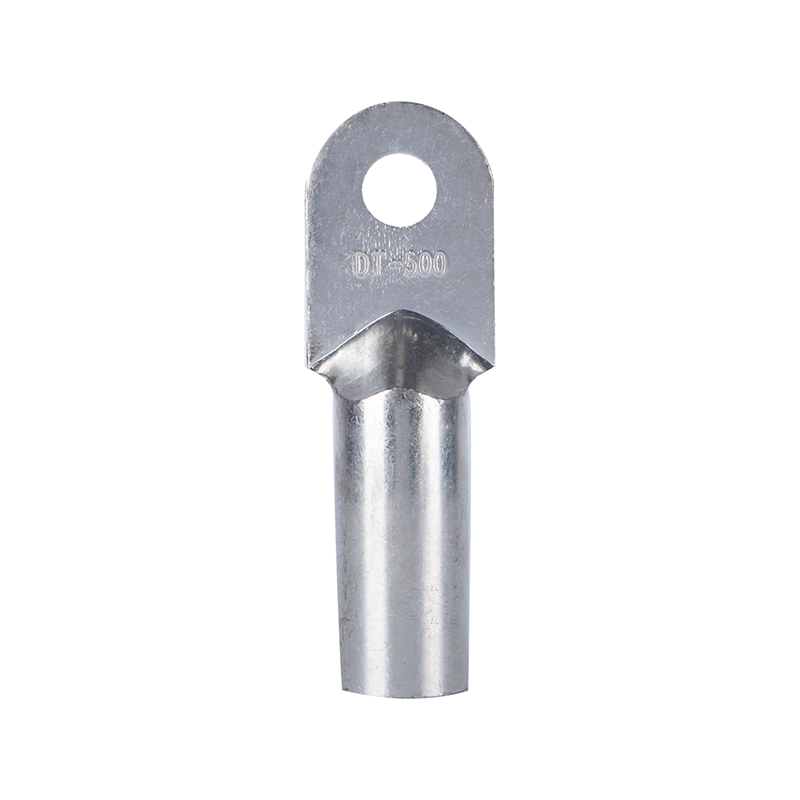
In the field of electrical connections, the core performance of crimp terminals depends not only on the conductivity of the copper material but also on its ductility, plasticity, and crimping adaptability. Therefore, whether the Tin-Plated DT Type Copper Lug undergoes annealing is one of the key technical standards for evaluating whether it is an industrial-grade, high-quality terminal. Most professional manufacturers, when producing Tin-Plated DT Type Copper Lugs, add an annealing process after cold extrusion or stamping to improve the performance degradation caused by work hardening of the copper material.
Typically, Tin-Plated DT Type Copper Lugs use T2 pure copper or C1100 electrolytic copper. Although these two types of copper materials themselves have excellent conductivity, after forming processes such as cold extrusion, stretching, and stamping, the internal crystal lattice structure of the copper material deforms, resulting in significant work hardening, increasing the material's hardness and reducing its ductility. If crimping is performed without annealing, the crimping barrel may experience cracking, springback, or insufficient coverage, leading to poor contact, increased contact resistance, and even potential risks of overheating or burning during long-term operation.
After annealing, the internal grains of the copper material rearrange and regain plasticity. The material's hardness decreases while its toughness increases, making the crimping barrel of the Tin-Plated DT Type Copper Lug more susceptible to uniform plastic deformation during crimping. This allows the copper tube to tightly conform to the conductor surface during hydraulic or hexagonal crimping, forming a so-called "cold-welded metal bond," greatly reducing microscopic air gaps and the possibility of oxidation, thereby lowering contact resistance and improving conductive stability. Annealed terminals offer several engineering advantages, such as:
- Improved crimping success rate and reduced installation failure rate
- Enhanced tensile strength and vibration resistance
- Reduced risk of long-term fatigue cracking
- Improved ease of installation and reduced crimping pressure required
- Increased overall service life and safety level
Especially in motor control cabinets, new energy systems, energy storage equipment, or heavy-duty industrial applications, terminals often withstand continuous high current and temperature cycles, resulting in significant stress. Annealed Tin-Plated DT Type Copper Lugs are better able to adapt to these complex operating conditions, ensuring long-term stable operation.
Therefore, from a professional manufacturing and electrical reliability perspective, annealing is one of the important indicators of high-quality Tin-Plated DT Type Copper Lugs, and a crucial process for ensuring crimping ductility and long-term electrical safety.
Does the Tin-Plating Process Affect the Conductivity of Tin-Plated DT Type Copper Lugs?
In actual selection and engineering applications, many customers are concerned about one question: Will adding a tin plating layer to the surface of Tin-Plated DT Type Copper Lugs reduce their conductivity? From the perspective of theoretical material conductivity, tin has lower conductivity than copper, so it intuitively seems that it would hurt conductivity. However, from the perspective of practical engineering and current transmission principles, a reasonable tin plating process will not only not reduce performance but can actually improve the long-term stability of the terminals.
First, from the perspective of the current transmission path, the main current carrier of Tin-Plated DT Type Copper Lugs is still the internal high-purity copper substrate. The thickness of the tin plating layer is usually only 3–10 micrometers (μm), which is far less than the overall cross-sectional area of the terminal. Almost all of the current flows through the copper core during transmission, not through the thin tin layer. Therefore, the impact of tin plating on the overall conductivity is negligible.
More importantly, in actual environments, bare copper terminals are prone to reacting with oxygen, moisture, and pollutants in the air to form copper oxide. The resistance of the copper oxide layer is significantly higher than that of metallic copper, which will substantially increase contact resistance. The tin plating layer can effectively isolate air and moisture, preventing copper oxidation, thereby maintaining a long-term stable metal contact interface. This is especially crucial in high-humidity, salt spray, or coastal environments.
In addition, the tin layer has relatively soft metallic properties, making it easier to create a microscopic filling effect during bolt connection, filling the small gaps between the busbar and the terminal, thereby reducing interface contact resistance. When connected to aluminum busbars or tin-plated busbars, tin-plated terminals can also reduce the risk of electrochemical corrosion and improve the overall system lifespan.
Comparing from a long-term operation perspective:
- Bare copper terminals: Good initial conductivity, but prone to oxidation, and resistance gradually increases.
- Tin-Plated DT Type Copper Lugs: Excellent initial conductivity and more stable in the long term.
Therefore, in power systems, photovoltaic power plants, energy storage equipment, ships, or outdoor power distribution environments, tin-plated terminals are often preferred over bare copper terminals.
Does the Tin-Plated DT Type Copper Lug Support Repeated Installation or Removal?
In industrial electrical connection systems, the installation method of terminals directly affects the safety and long-term stability of the connection. Therefore, many customers considering Tin-Plated DT Type Copper Lugs are concerned about a practical question: do the terminals support repeated installation or removal? From a professional structural design and electrical engineering standards perspective, it's necessary to clearly distinguish between the crimp side and the bolt connection side, as they have fundamental differences in terms of reusability.
First, from the perspective of the crimping structure principle, the Tin-Plated DT Type Copper Lug is a compression-type permanent connection terminal. When the cable is inserted into the crimping barrel, high-pressure compression is applied using hydraulic crimping pliers or a hexagonal die. The copper tube undergoes irreversible plastic deformation, tightly enclosing the conductor and forming a metal bonding interface similar to "cold welding." The advantages of this connection method are:
- Extremely low contact resistance
- Stable and continuous conductive path
- Strong vibration resistance
- High pull-out force
- Low temperature rise during long-term operation
However, precisely because of this permanent plastic deformation, once the crimping is completed, the terminal structure cannot be restored to its original state. Forcibly removing or re-crimping will often lead to material fatigue, copper tube cracking, or uneven crimping, resulting in increased contact resistance and safety hazards. Therefore, electrical installation standards (such as IEC, UL, or GB standards) generally recommend that: Tin-Plated DT Type Copper Lugs should not be reused after crimping; they should be crimped once and for all, and a new terminal must be used if replacement is necessary.
However, on the other hand, the bolt connection side of the terminal supports multiple disconnections and reconnections. The Tin-Plated DT Type Copper Lug is connected to the busbar, distribution cabinet, or equipment terminals via bolts. This mechanical fixing method allows for repeated disassembly during equipment maintenance, system upgrades, or repairs without affecting the electrical performance of the terminal itself. Therefore, the following principles are generally followed in practical engineering:
- Crimped end: Single-use, not reusable
- Bolted end: Can be disassembled and maintained multiple times
This design ensures both the long-term reliability of the electrical connection and the flexibility of future maintenance.
Combined with the manufacturing and quality assurance capabilities of Shaoxing Sweld Electric Co., Ltd., the reliability of Tin-Plated DT Type Copper Lugs is even more trustworthy. Shaoxing Sweld Electric Co., Ltd., established in 2018, is located in Shengzhou, Shaoxing, Zhejiang Province, covering an area of 3000 square meters and employing a professional technical and sales team of over 50 people. The company has long focused on electrical connection and grounding system products, including exothermic welding materials, grounding rods, stranded wires, and various electrical hardware connectors, accumulating rich manufacturing experience in the power and industrial connection fields.
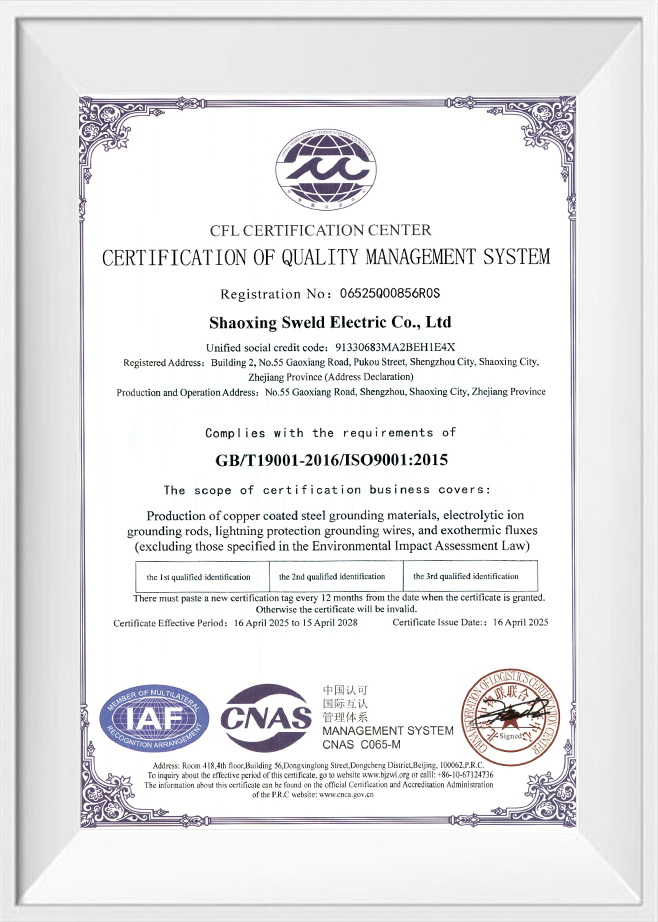
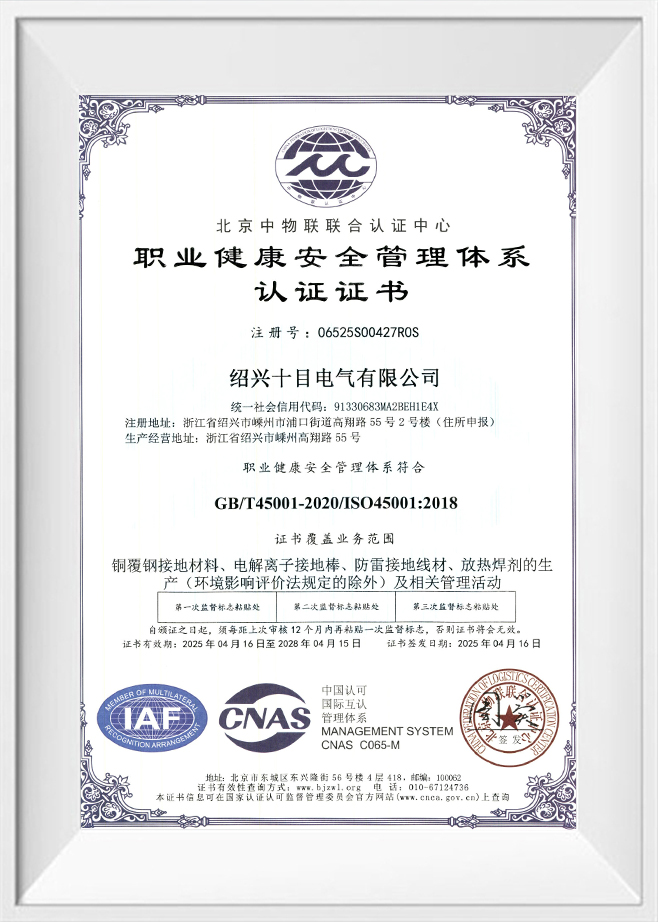
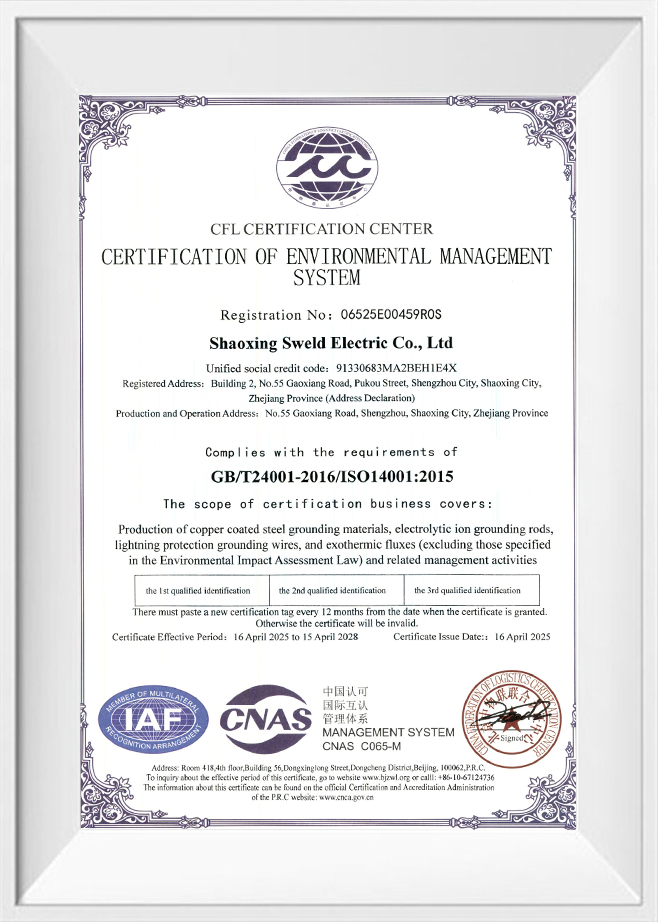
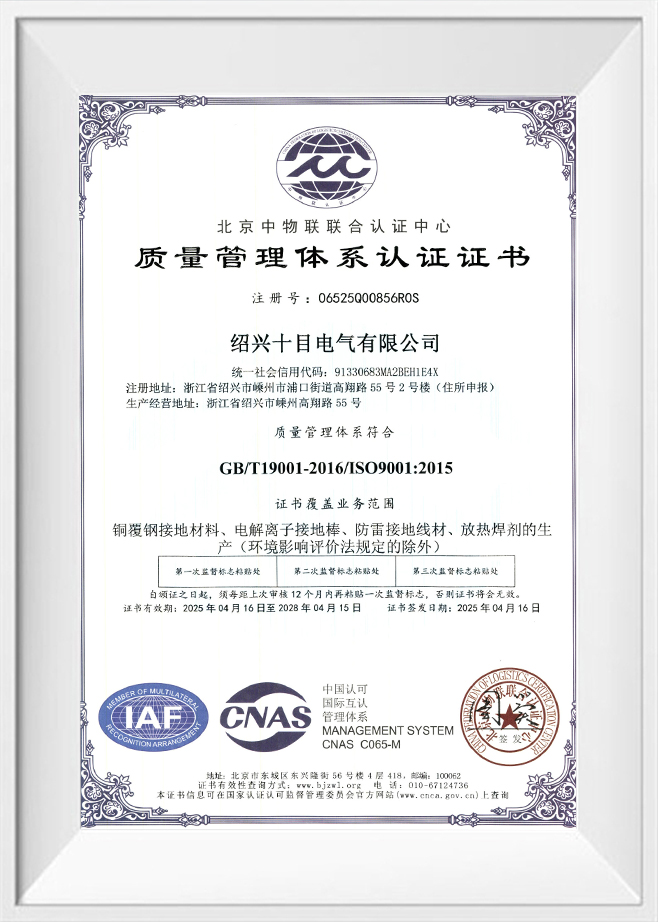
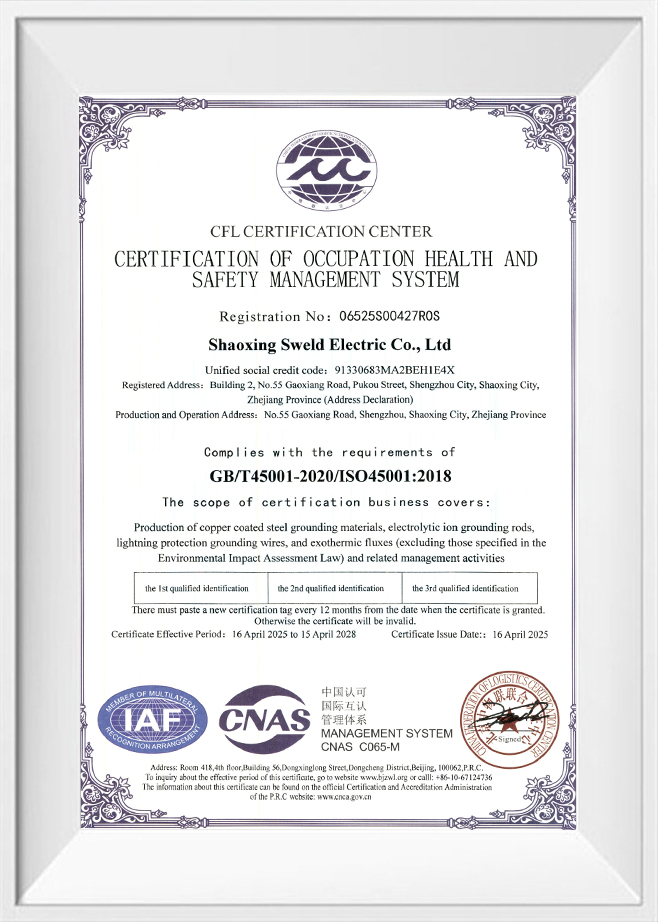
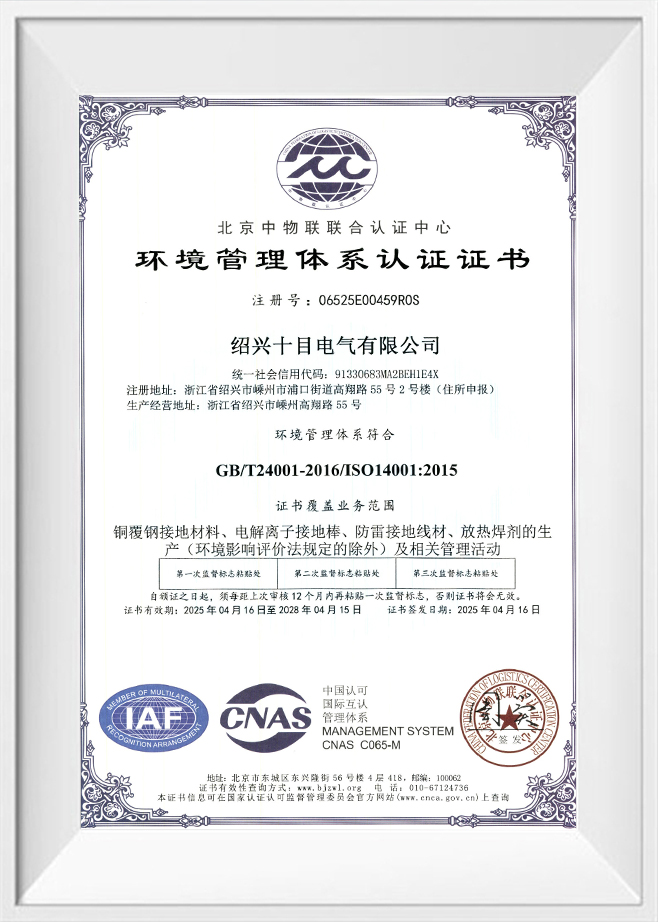
In the production of terminal products, Shaoxing Sweld Electric Co., Ltd. employs a strict quality management system and has obtained certifications for the ISO 9001 Quality Management System, ISO 14001 Environmental Management System, and ISO 45001 Occupational Health and Safety Management System. From raw material procurement, cold extrusion molding, tin plating treatment, to final product inspection, full-process testing and recording are implemented to ensure that every Tin-Plated DT Type Copper Lug maintains high consistency in mechanical strength, crimping performance, and conductivity stability. In addition, the company is equipped with 7 high-speed CNC machining centers, possessing high-precision processing and rapid customization capabilities to meet customers' mass production and personalized needs.
Relying on stable manufacturing capabilities and strict quality control, the Tin-Plated DT Type Copper Lugs produced by Shaoxing Sweld Electric Co., Ltd. demonstrate excellent performance in crimping reliability and repeated maintenance safety, and are widely used in power distribution systems, new energy projects, industrial automation equipment, and grounding system engineering.