


 English
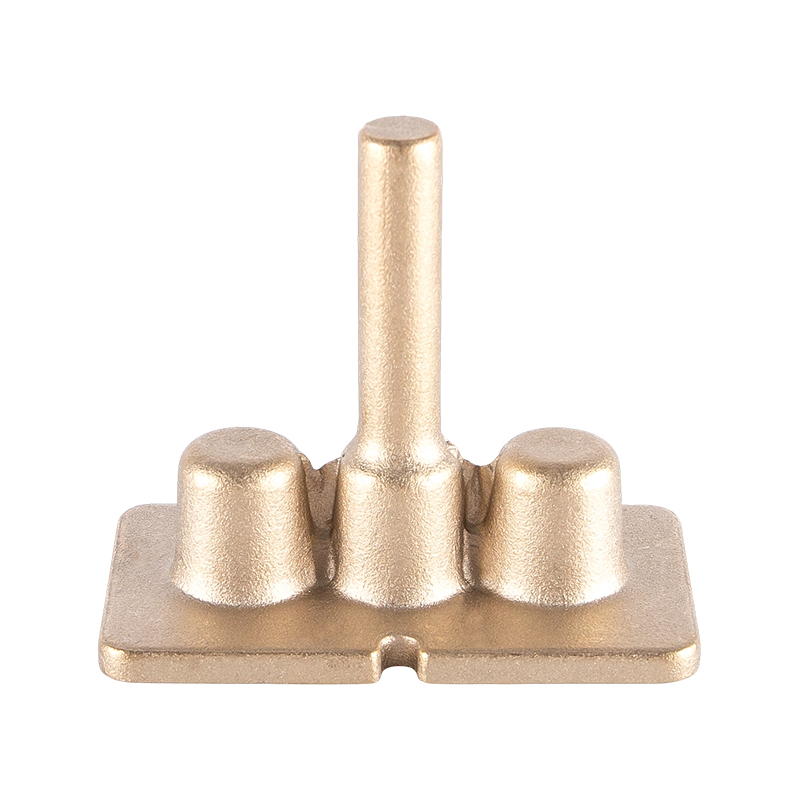
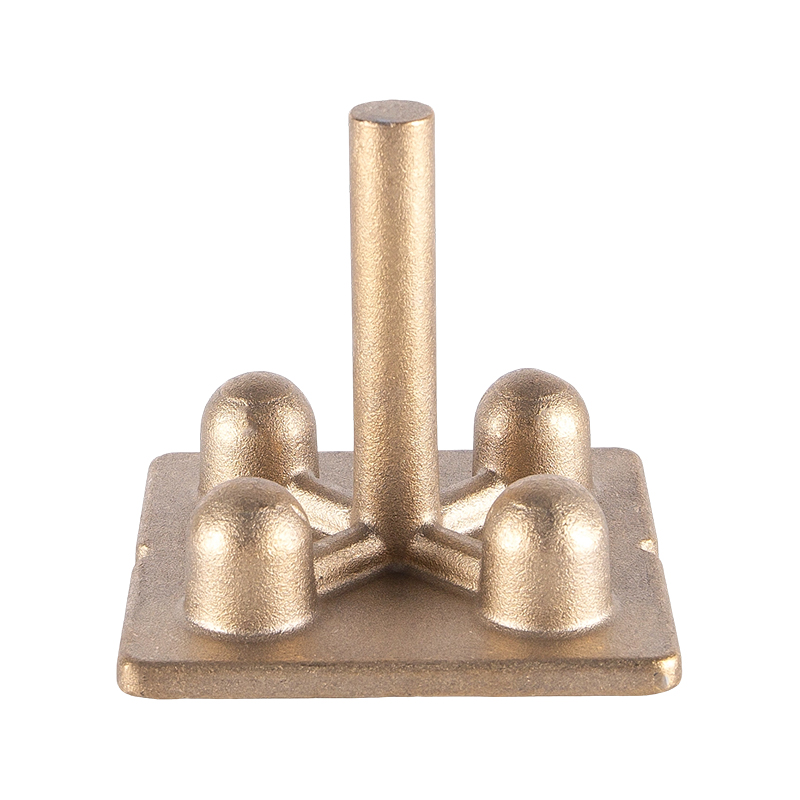
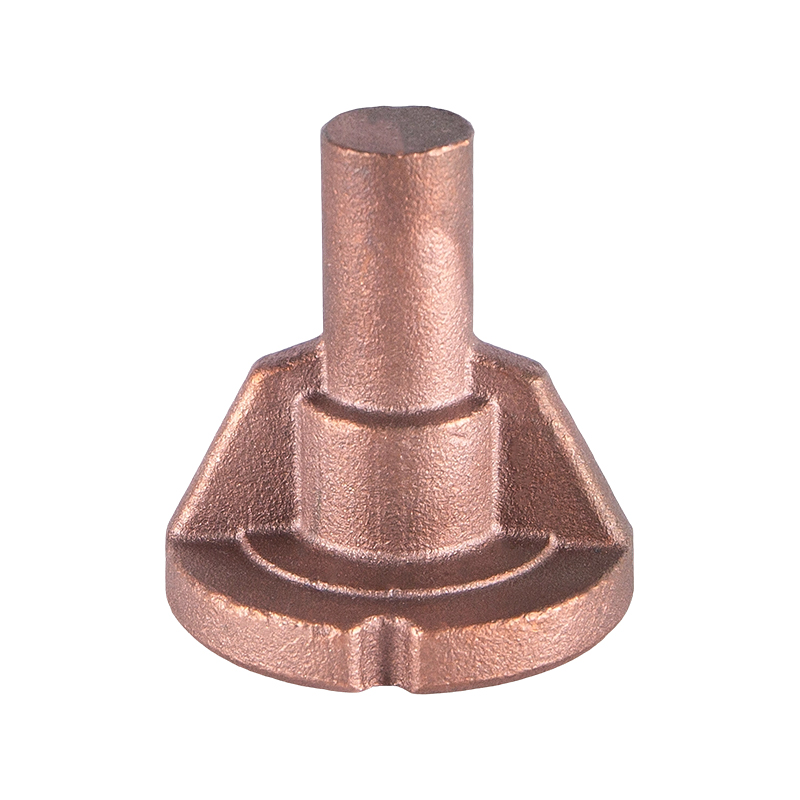
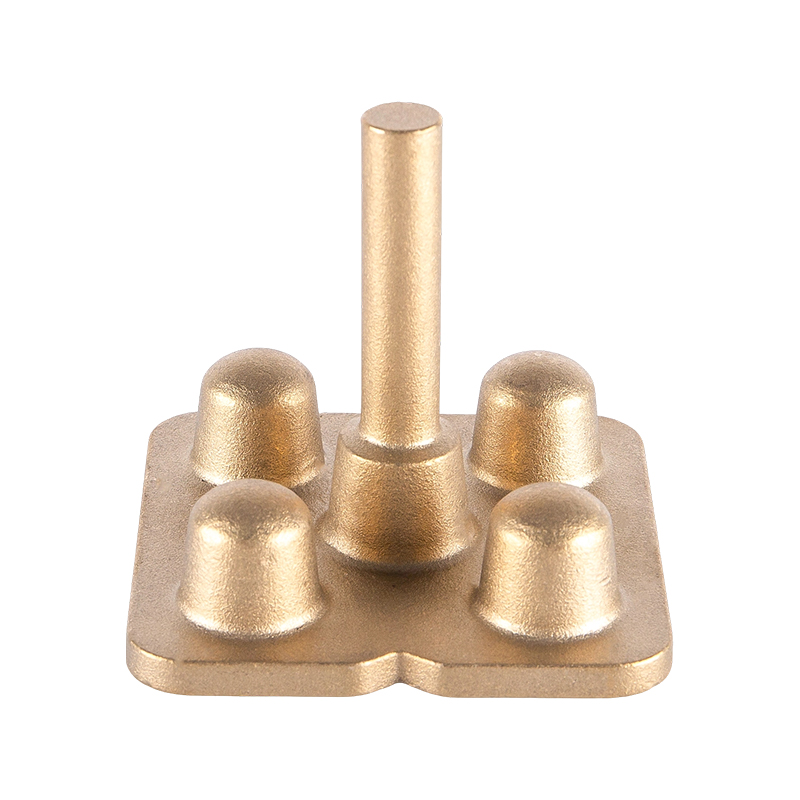
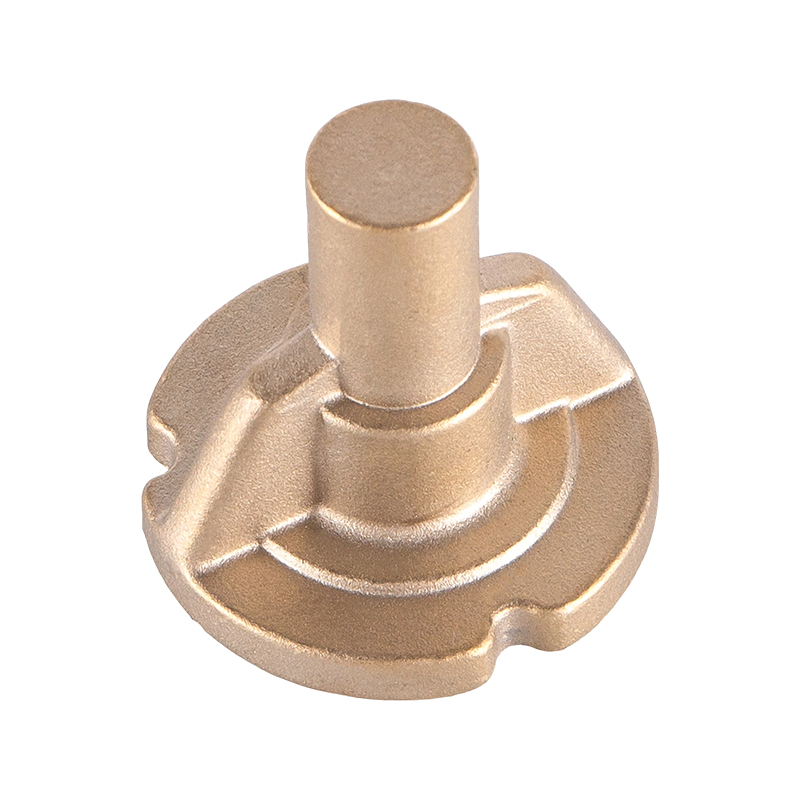
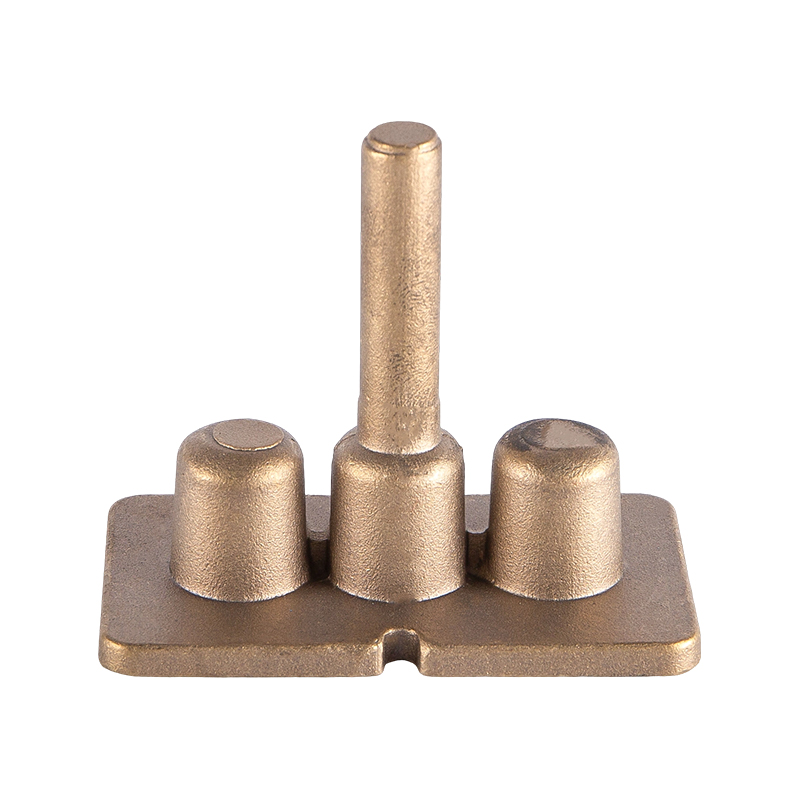
Grounded Socket Overview and Its Critical Function in Electrical Grounding Systems
Grounded socket technology represents a specialized category of electrical connection solutions designed to establish a stable and low-resistance interface between electrical conductors and grounding systems. In electrical engineering practice, grounding functions as a reference mechanism that allows fault current, leakage current, and transient electrical energy to be directed toward the earth in a controlled manner. A grounded socket serves as the physical and electrical transition point that enables this function within a structured grounding network. From an engineering perspective, grounded sockets are not standalone devices but form part of a coordinated grounding architecture that includes ground rods, grounding wires, bonding conductors, and connection hardware.
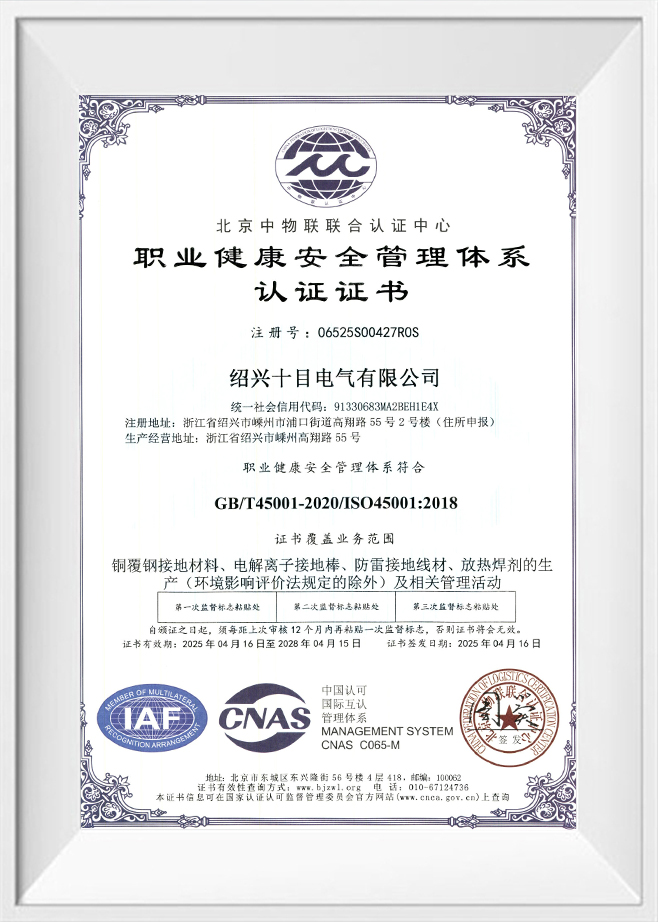
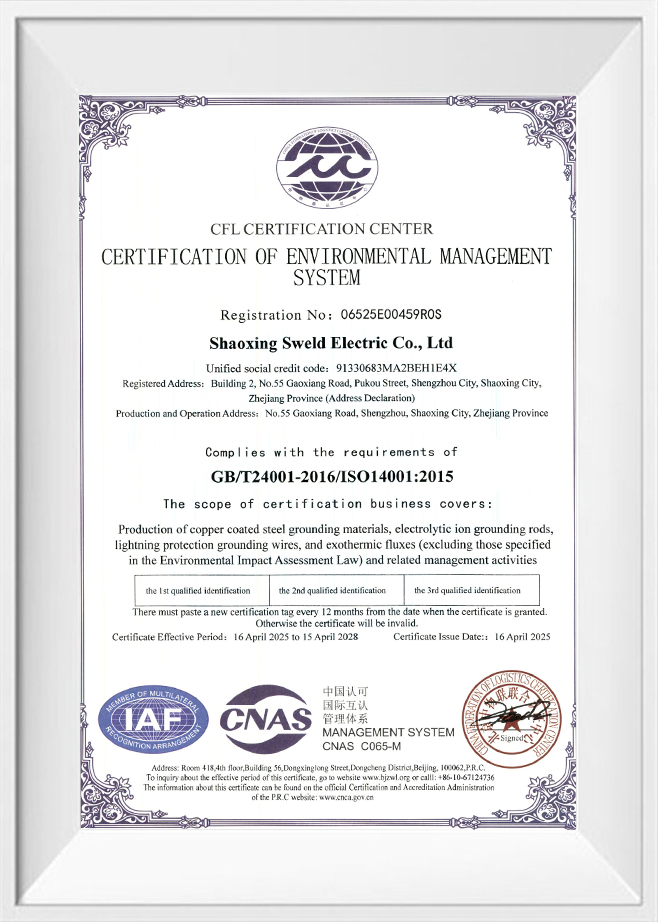
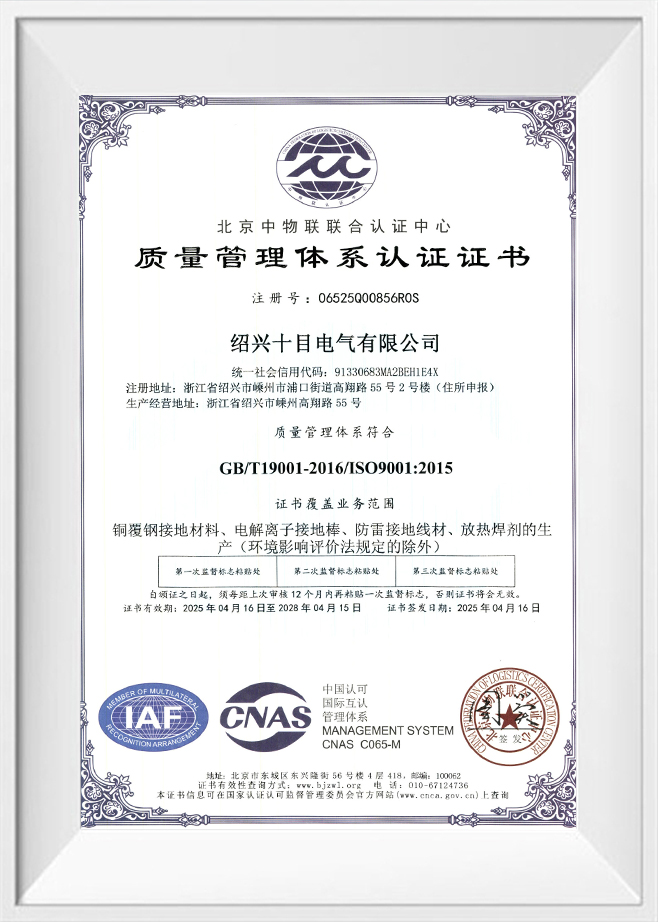
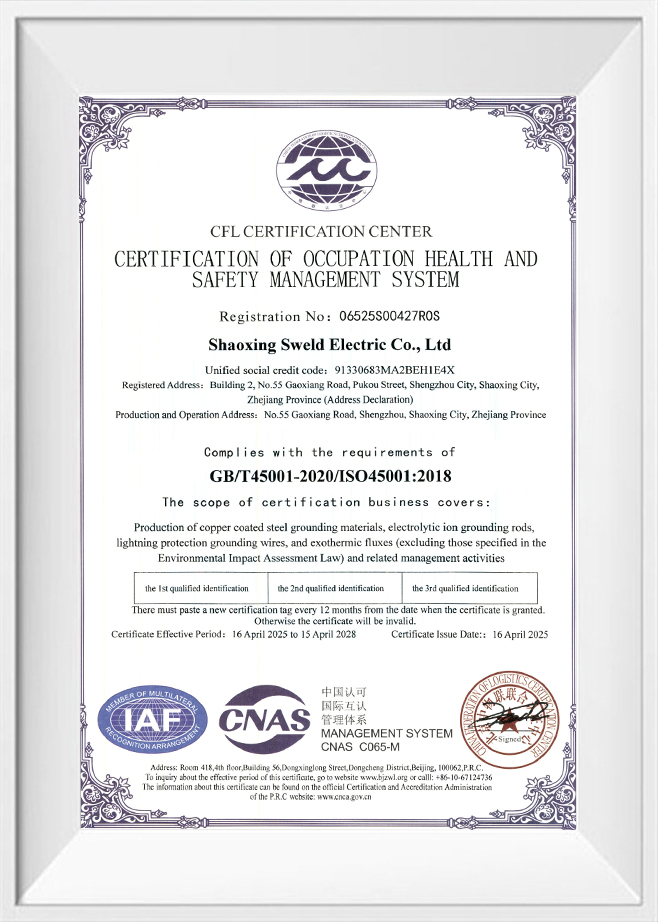
In modern electrical installations, grounded sockets are applied across a wide range of voltage levels and system types, including power distribution networks, industrial automation systems, communication facilities, and building electrical installations. The grounded socket provides a repeatable and standardized interface that simplifies system design, installation, and inspection. By maintaining consistent electrical contact pressure and conductive surface area, grounded sockets help ensure that grounding paths remain predictable over extended operational periods. Shaoxing Sweld Electric Co., Ltd., established in 2018 and located in Shengzhou, Shaoxing, China, operates within this technical framework by manufacturing grounding-related products that align with practical engineering requirements. With a factory area of 3,000 square meters and a workforce exceeding 50 professionals, our organization focuses on producing grounding components that support stable system integration. Grounded sockets developed within this manufacturing environment are designed to interface efficiently with ground rods, ground wires, and electrical hardware connection parts supplied by the same production system.
From a system-level viewpoint, grounded socket technology supports electrical safety by reducing uncontrolled current paths and maintaining voltage equilibrium during abnormal conditions. In addition, grounded sockets contribute to electromagnetic compatibility by limiting noise propagation and stabilizing reference potentials in sensitive electronic environments. These characteristics make grounded sockets a foundational element in structured grounding systems rather than an auxiliary accessory.
The operation of grounded sockets is governed by fundamental electrical principles related to current flow, resistance, impedance, and potential equalization. Grounding systems function by providing a conductive path that allows electrical energy to move from energized components to the earth, where the energy is dissipated safely. A grounded socket acts as an interface that connects conductors to this path while maintaining mechanical stability and electrical continuity. The effectiveness of this interface depends on contact resistance, material conductivity, and structural integrity under operating conditions.
Electrical current naturally follows the path of lowest impedance. If a grounded socket introduces excessive resistance due to poor material selection, inadequate contact pressure, or surface degradation, fault current distribution becomes unpredictable. This may result in localized heating, delayed protective device operation, or voltage rise on exposed conductive parts. For this reason, grounded socket design emphasizes stable conductive interfaces that minimize resistance variation over time. The geometry of contact surfaces, fastening methods, and conductor engagement all influence the electrical behavior of the grounding connection. Shaoxing Sweld Electric Co., Ltd. integrates these principles into grounded socket manufacturing by aligning component design with grounding system behavior rather than isolated performance metrics. Our production capabilities include exothermic welding powder with an annual output of 500 tons, which supports permanent molecular bonding between grounding conductors and connection components. Grounded sockets designed for compatibility with exothermic welding benefit from uniform conductivity and reduced long-term resistance drift.
In alternating current systems, grounded sockets also influence impedance characteristics at power frequency and during transient events such as lightning surges. Properly designed grounded sockets help maintain consistent grounding impedance across a wide frequency range, supporting both protective grounding and surge dissipation. By integrating grounded sockets with stranded wire, ground rods, and lightning protection products, our manufacturing system supports predictable grounding behavior under both steady-state and transient electrical conditions.
Grounded sockets perform a critical role in managing electrical safety by providing a controlled path for fault currents, leakage currents, and transient overvoltages to dissipate into the earth. Fault conditions may arise due to insulation degradation, conductor faults, or external disturbances such as lightning strikes. The grounded socket interface ensures that these currents are directed predictably into the grounding system, reducing the risk of equipment damage and hazardous touch voltages. Proper grounding also supports the reliable operation of protective devices such as circuit breakers, residual current devices, and surge arresters, which require a minimum fault current to operate effectively.
Shaoxing Sweld Electric Co., Ltd. designs grounded sockets to maintain low resistance connections under varying electrical loads. Our grounding products are tested for both steady-state and transient fault scenarios to ensure predictable performance. Grounded sockets manufactured by our company are compatible with a wide range of grounding system components, including ground rods, stranded wires, and electrical hardware connection parts, allowing integration across industrial, commercial, and residential applications.
Grounded socket performance influences the overall safety margin of electrical installations by limiting step voltage and touch voltage risks. In high-power industrial facilities, fault currents may exceed several kiloamperes; grounded sockets must provide a stable path without significant voltage drop. Shaoxing Sweld Electric Co., Ltd. ensures that grounded socket designs address these safety considerations through precise material selection, mechanical design, and compatibility with exothermic welding processes that create permanent and low-resistance connections.
The structural design of grounded sockets must satisfy both electrical and mechanical requirements. A grounded socket must provide stable electrical contact while withstanding mechanical stress from installation, conductor tension, thermal expansion, and environmental forces such as vibration and soil pressure. Our design approach prioritizes dimensional accuracy, surface contact pressure, and secure fastening mechanisms to maintain continuous contact over extended service periods. Shaoxing Sweld Electric Co., Ltd. employs 7 high-speed CNC machining centers to manufacture grounded socket components with tight tolerances, ensuring repeatable performance across large production batches. Structural features include reinforced contact surfaces, anti-loosening fasteners, and geometry optimized for multiple conductor sizes.
Shaoxing Sweld Electric Co., Ltd. integrates these factors into the production process to produce grounded sockets capable of sustaining consistent performance under fluctuating temperatures, mechanical loads, and chemical exposure. The structural integrity of grounded sockets directly influences fault current dissipation efficiency, long-term maintenance requirements, and overall system reliability, making it an essential aspect of engineering design and product validation.
Material choice significantly impacts the electrical and mechanical performance of grounded sockets. High-conductivity metals such as copper and copper alloys are preferred due to their low resistivity and ability to maintain consistent current-carrying capacity. Shaoxing Sweld Electric Co., Ltd. applies rigorous selection criteria for raw materials to ensure optimal performance in both steady-state and fault conditions. Conductive surfaces are engineered to maximize contact area, reduce resistance, and resist surface degradation from oxidation, corrosion, or wear.
Grounded sockets often integrate with exothermic welding connections, which require compatibility with conductive powders and permanent molecular bonding processes. Shaoxing Sweld Electric Co., Ltd. produces exothermic welding powder with an annual capacity of 500 tons, supporting grounded sockets designed for low-resistance and permanent electrical connections. The combination of conductive materials, welding compatibility, and precise structural design ensures consistent current dissipation during transient and fault events. Additional considerations include thermal expansion coefficients, mechanical ductility, and resistance to chemical attack. Grounded socket materials must accommodate environmental stressors without significant loss of contact integrity or conductivity. Shaoxing Sweld Electric Co., Ltd. applies surface treatments and metallurgical controls to achieve long-term stability, ensuring that grounded sockets continue to perform reliably under diverse environmental and operational conditions.
Grounded sockets are frequently exposed to environmental stress including moisture, temperature variation, chemical exposure, and soil pressure. Electrical performance, mechanical stability, and corrosion resistance must be maintained over decades of service. Shaoxing Sweld Electric Co., Ltd. designs grounded sockets to maintain consistent electrical contact under both static and dynamic conditions. Environmental exposure tests simulate conditions such as high humidity, acidic soils, temperature extremes, and chemical contamination to validate design robustness.
Mechanical stress induced by thermal expansion, vibration, or conductor movement may compromise electrical contact. Grounded socket geometry, fasteners, and material selection are engineered to resist loosening, deformation, or wear over time. Shaoxing Sweld Electric Co., Ltd. incorporates CNC machining precision and quality control standards to produce components with consistent dimensions and contact pressure. Grounded sockets in outdoor and industrial environments rely on this durability to maintain continuous low-resistance pathways. Shaoxing Sweld Electric Co., Ltd. emphasizes environmental adaptability as a core design parameter, ensuring that grounded sockets maintain reliable performance in diverse geographic, climatic, and operational contexts.