


 English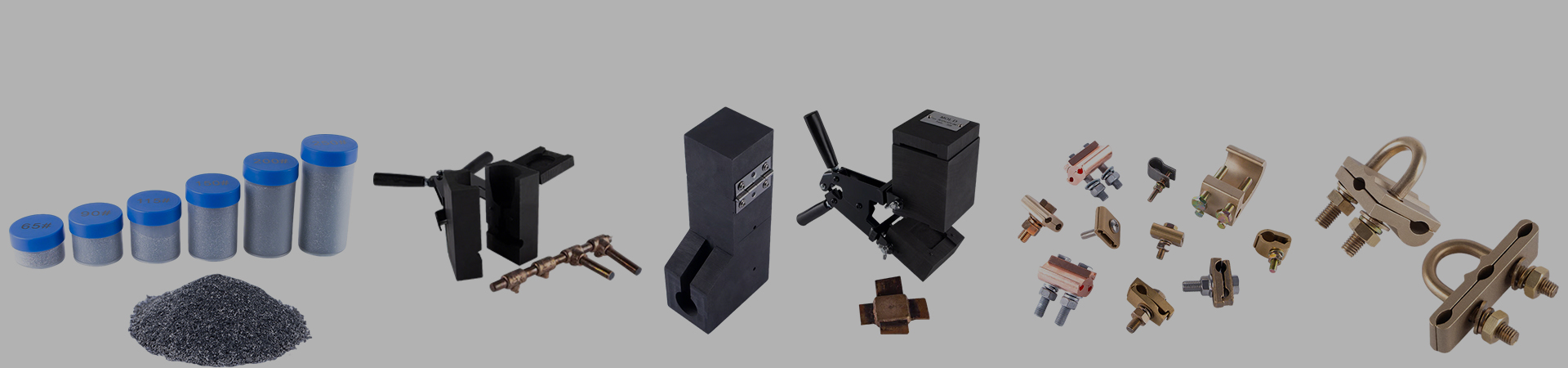
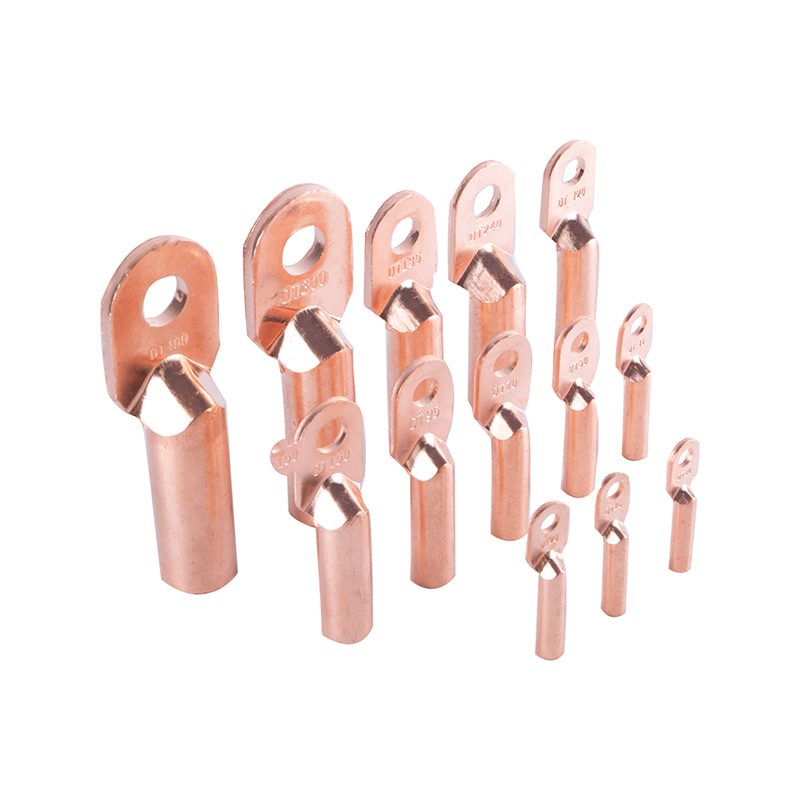
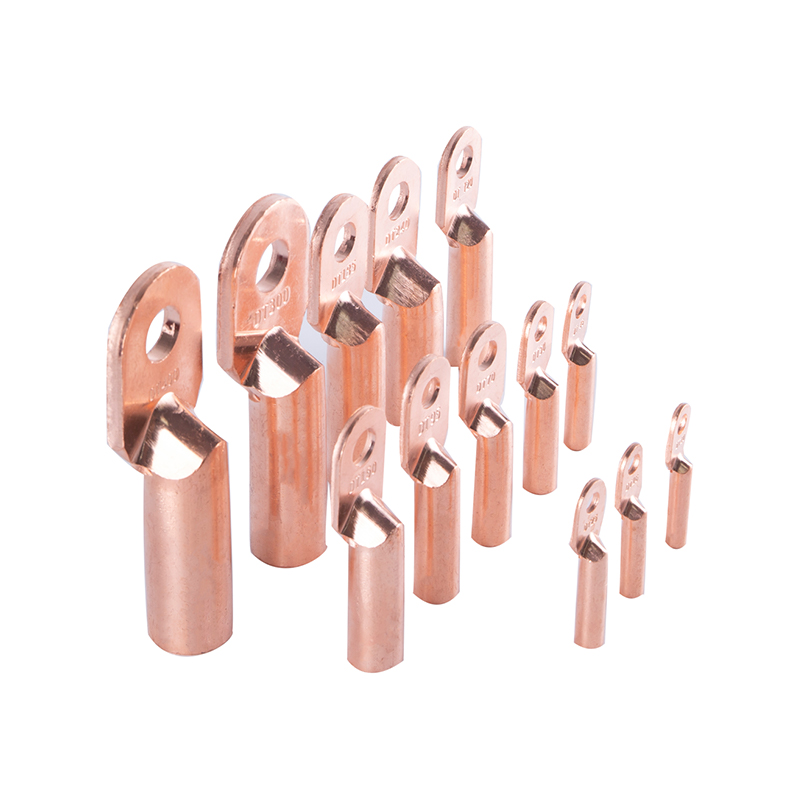
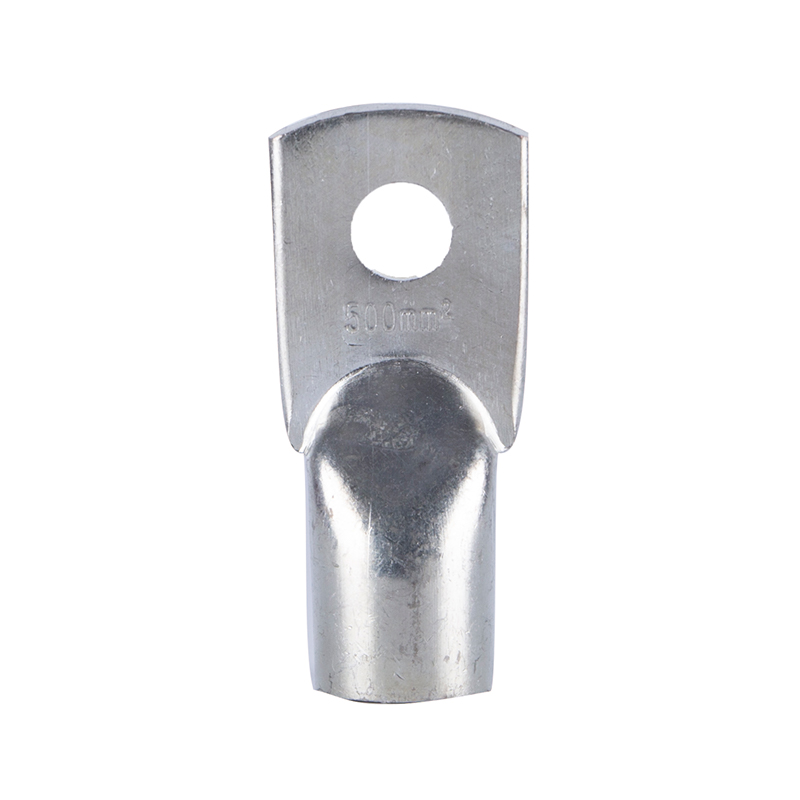
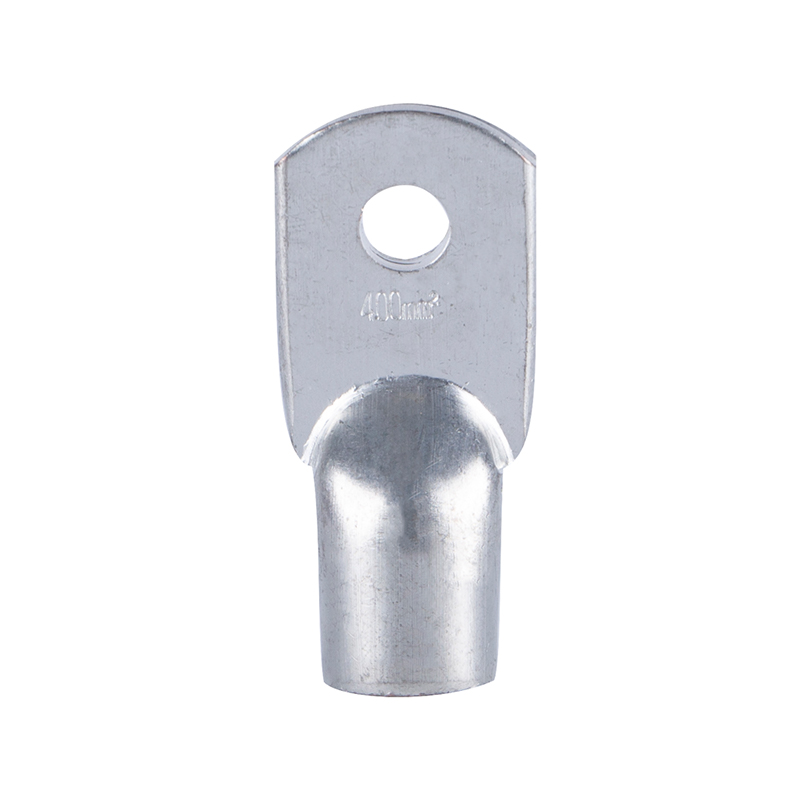
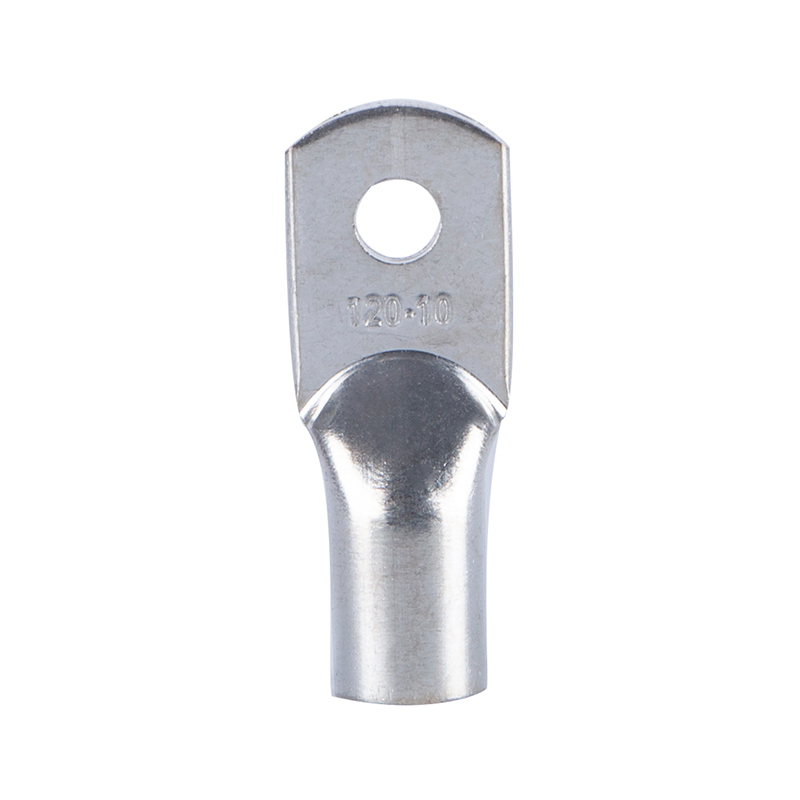
Will the Resistance of an Earthing Clamp Increase Due to Loosening During Long-Term Use?
The Importance of Connection Stability in Earthing Systems
Earthing systems are designed to provide a low-resistance path for fault current and lightning current to dissipate safely into the ground. The overall performance of an earthing system does not depend solely on conductor size or ground resistance, but also on the stability of every connection point. Earthing clamps are widely used to connect ground rods, grounding wires, stranded conductors, and structural steel. Over long-term operation, especially in outdoor or buried environments, the mechanical and electrical stability of these clamps becomes a critical factor influencing system resistance.
How an Earthing Clamp Maintains Electrical Contact
An earthing clamp relies on mechanical pressure to ensure electrical contact between conductors. During installation, tightening torque creates surface-to-surface contact that allows current to flow across the joint. The electrical resistance at this interface is initially low when contact pressure is sufficient and surfaces are clean. However, unlike metallurgical connections, the clamp does not alter the material structure of the conductors. Its performance depends entirely on sustained mechanical force and contact area over time.
Mechanisms That Can Lead to Clamp Loosening
During long-term service, several physical and environmental factors may reduce the clamping force of an earthing clamp. Thermal expansion and contraction caused by daily temperature changes can gradually relax fasteners. Soil settlement, vibration from nearby equipment, or structural movement can introduce micro-movements at the connection point. In outdoor installations, corrosion of bolts or clamp bodies may further reduce effective tightening force. These mechanisms do not usually occur suddenly but develop progressively, which makes resistance increase difficult to detect without testing.
The Relationship Between Loosening and Electrical Resistance
As an earthing clamp loosens, the effective contact area between conductors decreases. Reduced contact pressure allows microscopic air gaps or oxide layers to form at the interface. These changes increase contact resistance, even if the clamp remains physically attached. Over time, higher resistance at a single connection can influence the performance of the entire earthing system, especially during fault or lightning events when current density is high.
| Connection Condition | Contact Pressure | Typical Resistance Trend |
| Properly tightened clamp | Stable | Low and stable |
| Partially loosened clamp | Reduced | Gradual increase |
| Corroded and loosened clamp | Unstable | Noticeable increase |
Environmental Factors Accelerating Resistance Increase
The likelihood of resistance increase due to loosening is strongly influenced by environmental conditions. In moist soil or coastal areas, corrosion can develop on clamp surfaces and fasteners. In industrial environments, chemical exposure may affect metal surfaces and protective coatings. Underground installations are also subject to soil pressure changes and water ingress. These factors can act together, making long-term resistance growth more likely when earthing clamps are used as permanent connections.
Impact on Fault Current and Lightning Current Performance
During normal operation, a slight increase in earthing resistance may not produce visible effects. However, during fault conditions or lightning strikes, high current passes through grounding connections within a very short time. Elevated resistance at a loosened clamp can cause localized heating, uneven current distribution, or voltage rise at the connection point. In critical grounding and lightning protection systems, these effects are taken seriously in design and material selection.
Comparison with Metallurgical Connection Methods
Unlike earthing clamps, metallurgical connection methods such as exothermic welding do not rely on mechanical pressure to maintain electrical contact. Exothermic welding forms a permanent metal bond between conductors, eliminating interfaces that can loosen or oxidize. For this reason, many standards and engineering specifications limit the use of earthing clamps in locations where long-term stability is required and inspection access is limited.
| Connection Method | Dependence on Mechanical Force | Long-Term Resistance Behavior |
| Earthing clamp | High | May increase over time |
| Crimped connection | Medium | May change with deformation |
| Exothermic welding | None | Generally stable |
Situations Where Earthing Clamp Resistance Change Is More Likely
Resistance increase due to loosening is more likely in installations where clamps are buried, exposed to weather, or installed in high-vibration environments. Connections between ground rods and grounding wires below grade, or clamps attached to steel structures exposed to temperature variation, are typical examples. In contrast, indoor, accessible bonding connections with stable environmental conditions are less susceptible, provided periodic inspection is possible.
Engineering Practices to Address Long-Term Clamp Performance
To manage the potential for resistance increase, engineers often limit earthing clamp use to secondary or accessible bonding points. For primary grounding connections, especially those involving ground rods and main grounding conductors, alternative methods may be specified. In projects that still use clamps, material selection, surface preparation, and installation torque control are important considerations to reduce long-term risk.
The Role of Integrated Earthing and Welding Solutions
Manufacturers such as Shaoxing Sweld Electric Co., Ltd., which supply exothermic welding powder, grounding conductors, ground rods, electrical connection parts, and related tooling, support grounding projects by offering alternatives where clamp-based connections may not be suitable. With stable welding material supply, multiple packaging options, and CNC-machined molds that can be designed and produced in real time, such solutions allow engineers to select connection methods based on long-term performance requirements rather than installation convenience alone.
Balancing Installation Flexibility and Long-Term Resistance Control
Earthing clamps remain a practical solution in many applications due to ease of installation and adjustability. However, understanding how loosening can affect resistance over time is essential when designing earthing systems with long service lives. Evaluating environmental exposure, accessibility for maintenance, and current load expectations helps determine whether a clamp-based connection is appropriate or whether a more permanent connection method should be used.
FAQ
Q: In which grounding applications are ground clamps commonly used?
A: Ground clamps are commonly used in grounding and bonding applications where the connection point is accessible for inspection or adjustment. Typical uses include bonding conductors to structural steel, temporary grounding during construction, and secondary grounding connections where long-term exposure to soil or moisture is limited.
Q: How do environmental conditions affect the long-term performance of a ground clamp?
A: Environmental factors such as moisture, soil chemistry, temperature variation, and airborne contaminants can influence the stability of a ground clamp connection. Over time, these conditions may contribute to corrosion or reduced contact pressure, which can lead to gradual changes in contact resistance if the clamp is used as a permanent grounding solution.
Q: What considerations are important when connecting ground clamps to ground rods?
A: When ground clamps are used on ground rods, surface cleanliness, material compatibility, and installation torque play important roles in maintaining electrical contact. In buried or outdoor installations, additional consideration is often given to whether the connection will remain accessible for future inspection or whether an alternative permanent connection method is more suitable.
Q: Can ground clamps be used in grounding systems exposed to fault current or lightning current?
A: Ground clamps can be used in certain grounding systems, but in locations where high fault current or lightning current is expected, engineers may limit their use. Mechanical connections can introduce contact interfaces that respond differently under high current stress compared to metallurgical connections, so application context is critical.
Q: How does vibration or structural movement influence ground clamp connections?
A: In installations subject to vibration or repeated mechanical movement, such as industrial facilities or transportation infrastructure, ground clamp fasteners may gradually loosen. This can reduce contact pressure at the interface, potentially affecting long-term electrical continuity if not periodically inspected and maintained.
Q: How do ground clamps compare with exothermic welding in long-term grounding projects?
A: Ground clamps offer installation flexibility and ease of adjustment, while exothermic welding provides a permanent metal bond that does not rely on mechanical force. In grounding projects requiring long service life, limited maintenance access, or consistent resistance control, exothermic welding is often considered as an alternative to clamp-based connections.
Q: How can a complete grounding product range support ground clamp applications?
A: A complete grounding product range, including ground rods, grounding wire, stranded conductors, electrical connection parts, and exothermic welding materials, allows engineers to select ground clamps where appropriate and alternative connection methods where needed. Suppliers such as Shaoxing Sweld Electric Co., Ltd. support this approach by offering both clamp-based components and exothermic welding solutions for different grounding requirements.