


 English
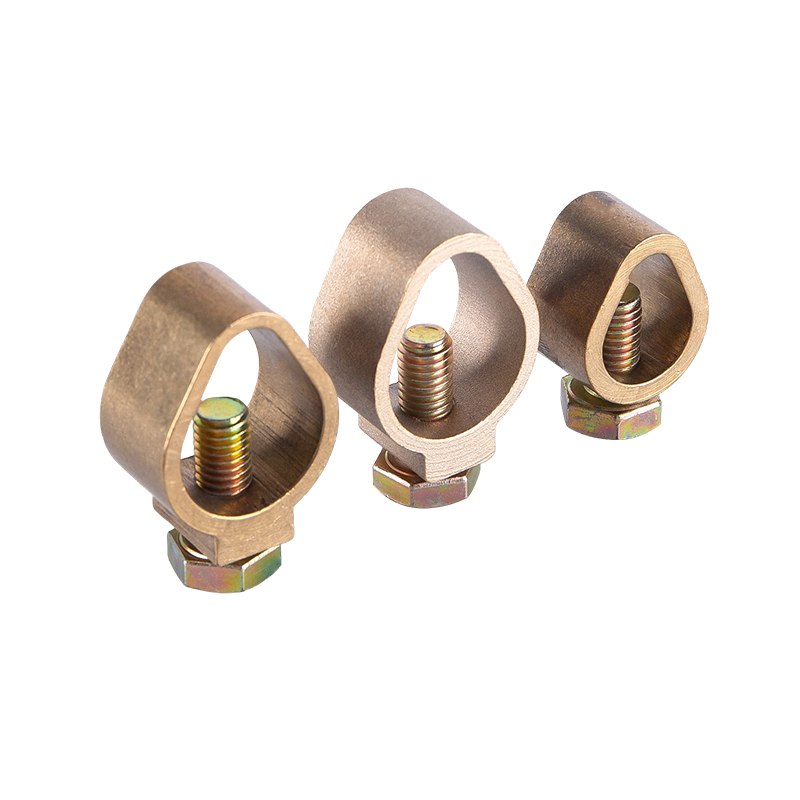
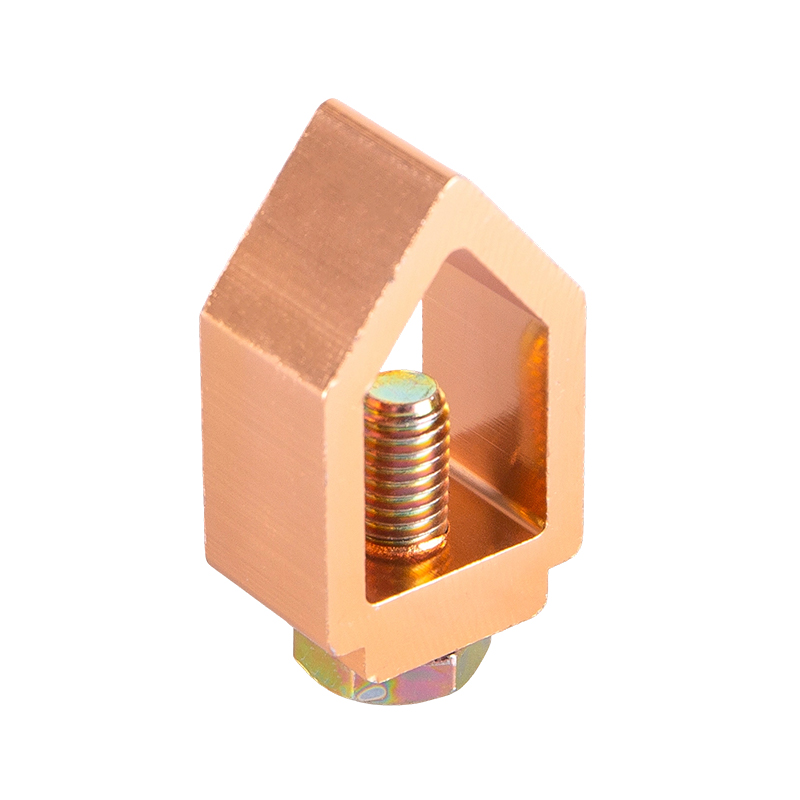
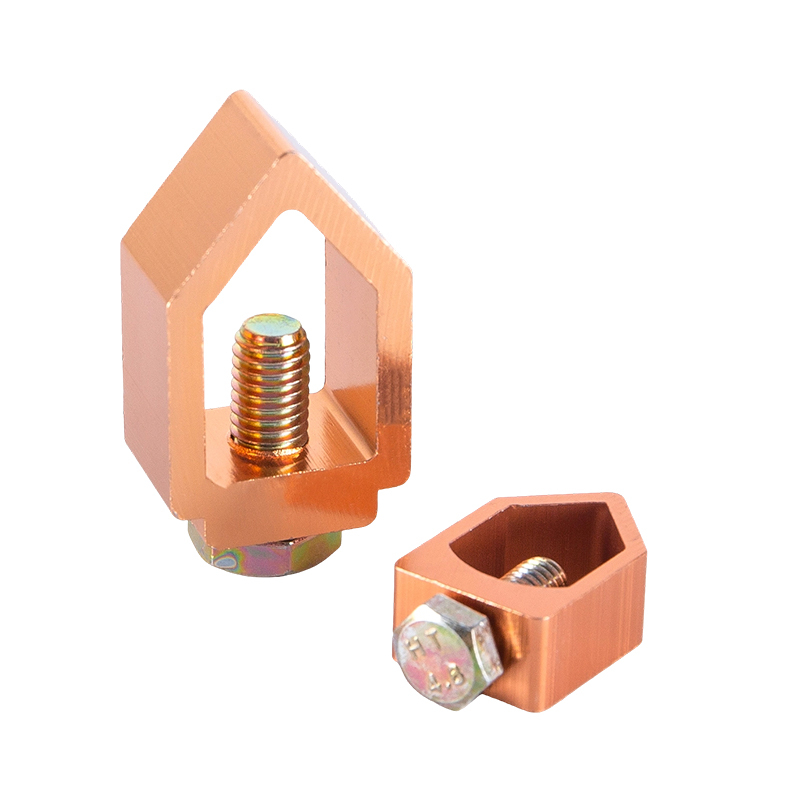
V-Type Ground Clamp Applications in Power, Telecommunication, and Industrial Systems
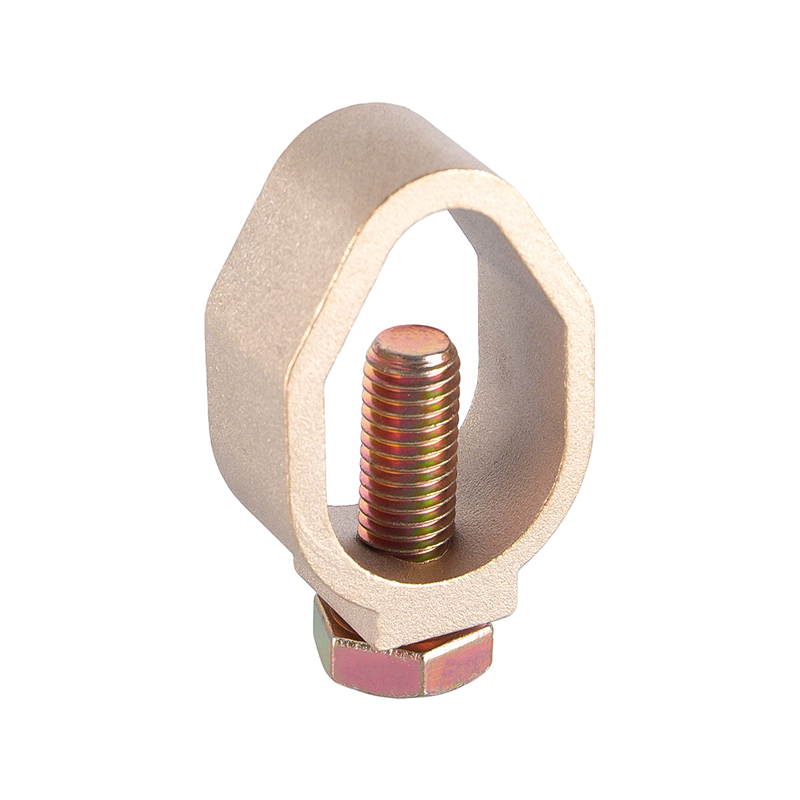
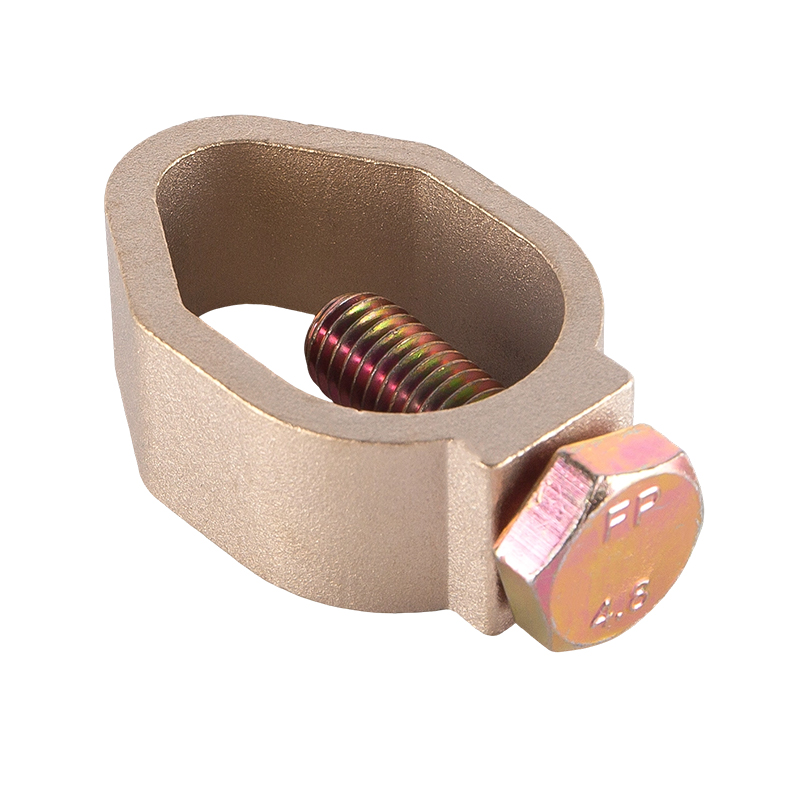
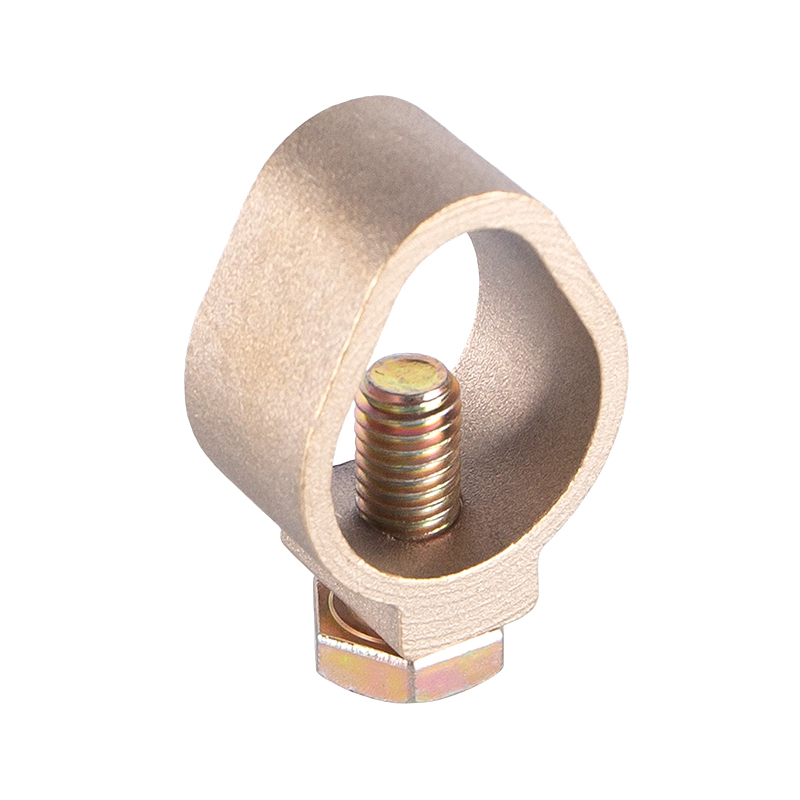
In power distribution and transmission networks, the role of a grounding system extends far beyond basic protection. For every piece of equipment connected to an electrical network, there is an expectation for a controlled and safe path for fault current to enter the earth without causing dangerous voltages around conductors or structural supports. The V‑Type Ground Clamp produced by Shaoxing Sweld Electric Co., Ltd. serves as a critical mechanical and electrical link between conductors and grounding electrodes. The design of this clamp, with its V‑shaped profile, increases the contact area between grounding conductor and electrode, improving stability and consistency of the electrical bond. At substations where high‑voltage lines are switched and rerouted, grounding conductors must be fastened securely to ground rods and metallic structures that form a grid across the site. If the connections were loose or inconsistent, fault currents might not disperse uniformly, resulting in uneven potential gradients and increased risk to personnel or equipment. Using the V‑Type Ground Clamp ensures a robust and low‑impedance path to earth, which supports rapid dissipation of fault current.
Shaoxing Sweld Electric Co., Ltd., with its annual production capacity of 500 tons of exothermic welding powder and a comprehensive grounding product line, manufactures V‑Type Ground Clamps in multiple sizes. This allows system designers to specify the proper clamp that matches conductor gauge without resorting to field modifications or makeshift fittings. In medium‑voltage distribution networks where transformer neutrals need to be grounded to earth, the V‑Type Ground Clamp allows secure connection between a grounding conductor and the neutral bus or grounding electrode conductor. Because power distribution frequently spans urban and rural environments with varying soil resistivity, the mechanical integrity of each clamp connection becomes a performance factor in meeting grounding resistance specifications. Properly bonded grounding systems mitigate the risk of equipment overheating, unexpected insulation breakdown, or unintended step and touch potential hazards. Installation crews working on distribution networks appreciate the straightforward installation of the V‑Type Ground Clamp, as it reduces time on site and helps maintain consistent installation quality across multiple phases of construction or maintenance. When engineers plan grounding grids for power transmission and distribution systems, consideration of connector performance cannot be separated from conductor sizing, soil treatment, or grid layout. The contribution of a reliable product such as the V‑Type Ground Clamp from Shaoxing Sweld Electric Co., Ltd. manifests in improved system reliability, more predictable fault current behavior, and easier compliance with grounding standards specified in engineering codes and power industry best practices.
In high‑voltage substations, grounding system performance dictates the behavior of electrical infrastructure during abnormal conditions such as short circuits, switching surges, and lightning strikes. A substation grounding grid typically includes an array of buried conductors, ground rods, and bonding points that form a network interwoven beneath structures and pathways. The V‑Type Ground Clamp from Shaoxing Sweld Electric Co., Ltd. acts as an interface component that binds these conductive elements together with minimal electrical resistance and strong mechanical retention. What separates a high‑quality grounding clamp from a generic coupling device is not merely the material used, but also the consistency of electrical contact over the long term. A clamp with poor contact surface or susceptibility to corrosion may lose conductivity over time, undermining the grounding strategy of the entire site. In contrast, the V‑Type Ground Clamp is engineered for extended service life, utilizing corrosion‑resistant metals and robust geometry to maintain stable connections even under thermal cycling and environmental stress.
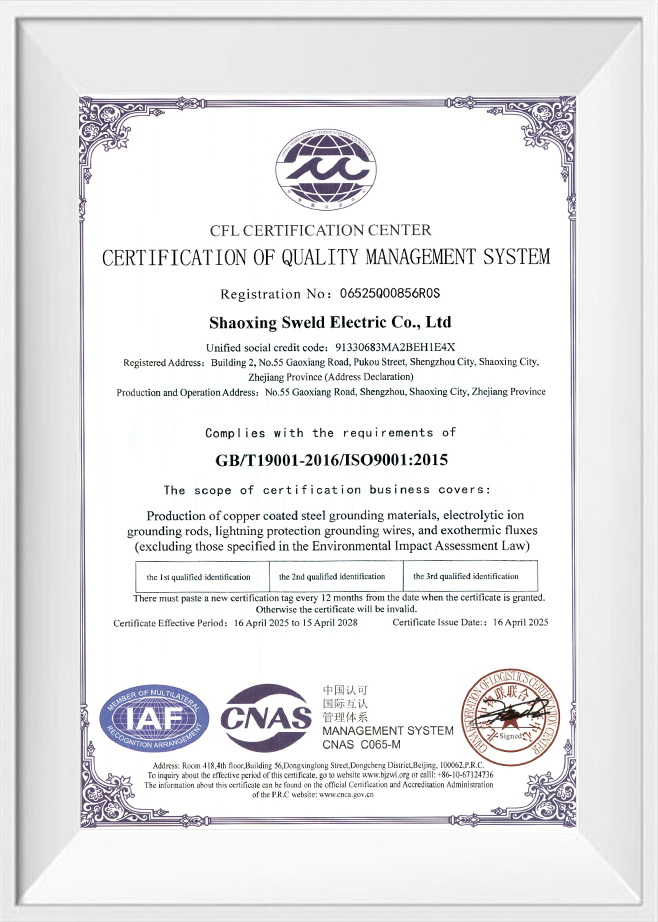
During the design of a substation, engineers perform soil resistivity tests and model potential gradients in order to determine the required size and layout of the grounding grid. While this modeling emphasizes conductor spacing and depth, the quality of individual joint connections such as those enabled by the V‑Type Ground Clamp plays a role in overall grid performance. For a site exposed to frequent lightning, the accumulation of vibration from switching operations and thermal expansion can cause less precise clamps to loosen over time. The V‑Type Ground Clamp’s secure fastening minimizes these risks, ensuring that conductors stay securely seated against each other and the grounding electrode. Shaoxing Sweld Electric Co., Ltd. implements rigorous quality controls during production, ensuring that each clamp meets the anticipated mechanical torque requirements specified by engineering standards.
In practice, installation crews often bond multiple conductors to ground rods or mesh conductors at junction points using these clamps. The ease with which the V‑Type Ground Clamp can be positioned and tightened using standard tools makes it suitable for large substation projects where numerous connection points must be completed accurately and efficiently. Without a reliable clamp connection, fault current paths may be interrupted or have elevated resistance, leading to dangerous site potentials during fault events. For substations that integrate protective relaying, distributed control systems, and communication infrastructure, the effectiveness of the grounding network directly impacts equipment life and operational continuity. By using the V‑Type Ground Clamp from Shaoxing Sweld Electric Co., Ltd. at every connection point, designers and contractors gain assurance that the grounding system’s performance aligns with safety objectives and network resilience requirements.
Telecommunication facilities, including central switching hubs, data centers, cell towers, and remote network cabinets, require grounding systems that not only protect electronic equipment but also maintain signal integrity. Grounding in telecommunication environments is multifaceted, involving protection against lightning induced surges, electrostatic discharge, electromagnetic interference, and transient voltage events. The V‑Type Ground Clamp manufactured by Shaoxing Sweld Electric Co., Ltd. contributes to comprehensive grounding strategy by providing connections that are reliable over extended service life, adaptable to a range of conductor sizes, and capable of resisting environmental degradation. In telecommunication settings, small differences in grounding impedance can influence how surge protection devices perform, and influence the relative potential between equipment racks and external infrastructure. By using high‑quality grounding clamps, installers reduce the potential for inadvertent voltage differences that could lead to data corruption or equipment malfunction. One common application of the V‑Type Ground Clamp in telecom is in bonding rack enclosures to a designated grounding bus. Telecom racks frequently house multiple generations of hardware, including servers, routers, and multiplexers, each with its own grounding requirement. The cumulative grounding scheme often consolidates into a building ground bar that is then connected to an earth electrode system. Using the appropriate size of the V‑Type Ground Clamp allows multiple conductors to be coupled securely to that ground bar, ensuring a low resistance connection without the need for additional adapters or improvised hardware. This consistency of connection contributes to repeatable grounding performance across the facility.
Another important application is at outdoor telecom sites, including base transceiver stations and fiber repeater huts. These sites are susceptible to direct lightning activity and electrostatic charge accumulation during windy or stormy conditions. The V‑Type Ground Clamp allows field technicians to bond lightning down conductors, coaxial cable shields, and metallic structures to a common grounding conductor that is connected to earth rods or buried ground grids. Given the outdoor nature of these installations, the clamp’s resistance to corrosion and mechanical vibration is essential for long‑term operability. Shaoxing Sweld Electric Co., Ltd. ensures that materials selected for these clamps can withstand UV exposure, moisture, and chemical contaminants without degradation of contact quality. In hybrid fiber‑copper systems where metallic shielding still exists alongside fiber links, grounding becomes more complex. Shielded twisted pair or coaxial cables may require grounding at strategic points to prevent signal distortion. The V‑Type Ground Clamp provides a dependable method for securing bonding conductors to cable armor or steel structural supports, facilitating controlled grounding without interfering with signal carrying capacity.
Industrial facilities encompass manufacturing plants, processing complexes, heavy machinery installations, and hazardous operations such as petrochemical refining. In these environments, electrical systems are often large, dynamic, and subjected to mechanical and electrical stress. Grounding in an industrial context serves multiple purposes: it provides a reference potential for control systems, it directs fault current safely into earth to protect personnel, and it mitigates electrostatic charges that can damage sensitive equipment or create ignition risks in explosive atmospheres. The V‑Type Ground Clamp from Shaoxing Sweld Electric Co., Ltd. contributes to industrial grounding by offering consistent mechanical fastening and low resistance electrical contact for grounding conductors of varying materials and gauges.
A typical industrial grounding system includes a buried grid of conductors, connections to structural steel, and bonding to equipment frames and instrumentation cabinets. In facilities with heavy duty motors, welding machines, and large variable frequency drives, ground currents can fluctuate significantly during startup, transient load changes, and fault conditions. Proper grounding connections reduce the likelihood of return currents seeking unintended paths through equipment frames or building structures. The V‑Type Ground Clamp allows grounding conductors to be securely joined to main ground buses, ground rods, and steel members. Its design spreads mechanical clamping force evenly, reducing stress concentration on conductors and preventing conductor deformation or damage over time. In hazardous locations classified under electrical codes for explosive risk, grounding hardware must meet specific performance criteria. Improper or loose connections can create unexpected arcing or hot spots during fault conditions, which in environments with combustible gases or dust can create risks of ignition. The V‑Type Ground Clamp’s reliable mechanical retention and corrosion‑resistant materials reduce these risks by maintaining stable contact without loosening under vibration or thermal changes. Shaoxing Sweld Electric Co., Ltd.’s engineering ensures that the clamp’s geometry and material selection support longevity and safety in diverse industrial contexts.
Another critical aspect of industrial grounding is equipotential bonding. Equipment frames, cable trays, racks, and other metallic structures must be brought to a common reference potential to avoid dangerous voltage differences that could disrupt control circuits or harm personnel. Using the V‑Type Ground Clamp to bond these components to a master grounding conductor ensures that electrical potential differences across equipment surfaces remain within safe limits. This reduces the likelihood of electrical noise, data errors in control systems, or unexpected leakage currents that might otherwise pass through unintended pathways. The V‑Type Ground Clamp’s design facilitates quick and consistent installation using common tools, which reduces downtime and helps keep complex grounding installations on schedule. By standardizing on a high‑performance product from Shaoxing Sweld Electric Co., Ltd., facility managers can reduce inventory complexity, ensure consistent training for installation crews, and improve overall electrical safety posture across their operations.
When electrical engineers design grounding systems for power, telecommunication, or industrial applications, the choice of connectors and clamps influences both short‑term installation outcomes and long‑term performance. The V‑Type Ground Clamp from Shaoxing Sweld Electric Co., Ltd. delivers a combination of mechanical stability, electrical conductivity, and installation flexibility that integrates well with comprehensive grounding strategies. One of the primary benefits of this clamp design is the V‑shaped geometry that provides increased surface contact with grounding conductors. Increased contact surface reduces electrical resistance at the connection point, which contributes to improved ground fault current dissipation and lower overall system impedance. Material selection also plays a significant role in the performance of grounding connections. Shaoxing Sweld Electric Co., Ltd. uses corrosion‑resistant alloys and protective coatings that maintain conductive integrity under environmental stress such as moisture, temperature variation, and chemical exposure. In comparison with clamps that use untreated or less robust metals, the V‑Type Ground Clamp’s material properties reduce the likelihood that corrosion products will form a resistive barrier at critical bonding points. This advantage supports predictable and measurable grounding performance over the long term, which is particularly beneficial in projects where maintenance access is limited or costly.
Another design advantage of the V‑Type Ground Clamp is its adaptability to a range of conductor sizes. Grounding conductors vary widely in gauge and construction across different applications. In power systems, conductors may be large copper or copper‑clad aluminum cables, while in telecommunication networks, smaller gauge bonding conductors are common. The V‑Type Ground Clamp’s geometry accommodates this range without requiring multiple specialized connector types, which simplifies procurement and reduces inventory complexity. Installation technicians can apply the same basic clamp design across multiple contexts, improving familiarity and reducing the risk of incorrect hardware selection in the field. Installation efficiency itself represents a design benefit. The simplicity of securing conductors with a V‑Type Ground Clamp using standard hand tools shortens project timelines and improves consistency between connection points. A well‑designed clamp reduces the chance of over‑tightening or under‑tightening, which in turn supports consistent electrical contact. For large grounding grids with dozens or hundreds of connection points, this efficiency translates directly into lower labor hours and reduced risk of connection errors that might surface later in system commissioning or operation.