


 English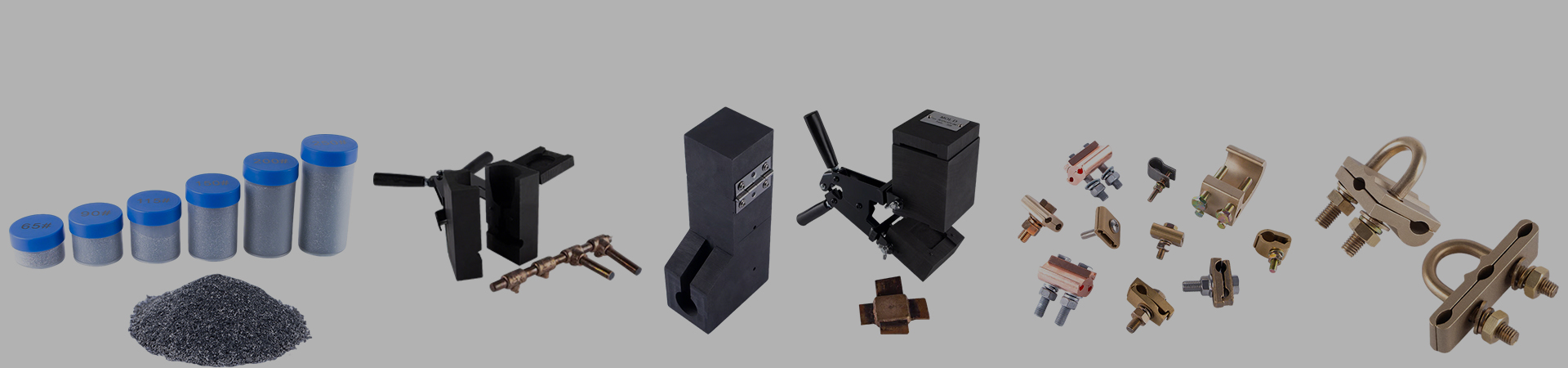
Are Grounding Accessories Interchangeable, or Must They Be Selected According to Specific Specifications?
Importance of Specification-Based Selection
Grounding accessories, including clamps, connectors, busbars, grounding rods, and exothermic welding materials, are critical components in a grounding system. Their selection is not arbitrary, as each accessory is designed to meet certain electrical, mechanical, and environmental requirements. Improperly selected accessories can lead to increased resistance, loose connections, and compromised safety performance. Shaoxing Sweld Electric Co., Ltd. emphasizes providing products that match specific installation requirements, ensuring that each accessory works harmoniously with other grounding system components.
Compatibility with Different Conductor Types
Grounding accessories must be compatible with the type of conductor used, whether it is solid copper, copper-clad steel, or stranded wire. For instance, a mechanical clamp designed for a stranded conductor may not securely hold a solid conductor without modifying the connection method. Exothermic welding molds also differ according to conductor size and material to ensure a stable metallurgical bond. Using the correct accessory type preserves electrical continuity and reduces the risk of degradation over time.
Mechanical and Environmental Considerations
Accessories are often exposed to environmental factors such as moisture, soil chemicals, temperature fluctuations, and mechanical stress. Connectors designed for above-ground installation may not perform reliably when buried in soil or exposed to corrosive conditions. Shaoxing Sweld Electric Co., Ltd. provides grounding accessories made from materials suitable for different environmental conditions, including corrosion-resistant alloys and coatings, to ensure long-term performance.
Electrical Performance and Resistance Requirements
Grounding accessories directly influence the resistance and conductivity of a grounding system. Connections with inadequate surface area, mismatched materials, or poorly designed fasteners can introduce unwanted resistance, reducing the effectiveness of the grounding path. Accessories such as busbar clamps, grounding clamps, and connectors are specified according to conductor size and system current rating to maintain low-resistance, reliable connections. Standardizing accessories according to specifications helps achieve consistent grounding performance across installations.
Role of Exothermic Welding Accessories
Exothermic welding accessories, including welding powder and molds, must be selected based on conductor size and material. Shaoxing Sweld Electric Co., Ltd. produces a wide range of molds that can accommodate different conductor configurations, allowing precise welding for copper, copper-clad steel, or stranded conductors. This selection ensures that each welded joint maintains stable electrical and mechanical properties, which is particularly important in high-current or lightning protection applications.
| Accessory Type | Critical Specification Factor | Impact of Incorrect Selection |
| Ground Clamp | Conductor type and size | Loose connection, increased resistance |
| Busbar Connector | Material compatibility and bolt size | Contact failure under load |
| Exothermic Welding Mold | Conductor size and shape | Poor bonding, reduced current carrying capacity |
| Earthing Tape | Width, thickness, and material | Insufficient conductivity, mechanical stress issues |
Impact of Standardization and Certification
Many grounding projects are subject to electrical standards and regulatory requirements. Using accessories that meet specific standards helps ensure consistent system behavior, verification during inspections, and long-term reliability. Shaoxing Sweld Electric Co., Ltd. produces accessories in compliance with widely recognized electrical and grounding standards, supporting both domestic and international installations.
Interdependency of Accessories Within the System
Accessories are interconnected within a grounding system. For example, a grounding clamp must securely join a conductor to a ground rod or busbar, while exothermic welding connects the same conductor to structural steel or other electrodes. Choosing accessories based on specifications ensures that each connection point works in concert with the rest of the system. Randomly interchangeable accessories may compromise electrical continuity or mechanical stability, leading to potential failure under fault or surge conditions.
Practical Considerations for Project Design
Project engineers must evaluate conductor type, current capacity, environmental exposure, and installation method before selecting grounding accessories. Shaoxing Sweld Electric Co., Ltd. offers a comprehensive range of accessories and packaging solutions that can be tailored to project requirements. This approach reduces installation errors, simplifies maintenance, and ensures the grounding system performs as intended throughout its service life.
Conclusion on Selection Practices
Grounding accessories are not universally interchangeable. Their selection must be guided by conductor type, electrical and mechanical requirements, environmental conditions, and installation method. Coordinated selection of grounding accessories, such as those offered by Shaoxing Sweld Electric Co., Ltd., ensures system integrity, electrical safety, and long-term reliability across a wide range of grounding applications.
FAQ
Q: How do grounding accessories influence the overall resistance of a grounding system?
A: Grounding accessories such as clamps, connectors, and busbars directly affect the electrical continuity of the system. Properly selected and installed accessories ensure low-resistance paths for fault currents, while mismatched or poorly installed accessories can increase resistance and reduce the effectiveness of the grounding system.
Q: Can the same grounding accessories be used for different conductor materials?
A: Not all grounding accessories are compatible with every conductor material. Accessories must be matched to the specific conductor type, such as copper, copper-clad steel, or stranded wire, to maintain reliable electrical contact and avoid corrosion or mechanical loosening over time.
Q: What role do exothermic welding molds play in grounding accessory applications?
A: Exothermic welding molds are used to join conductors and electrodes with a permanent metallurgical bond. Shaoxing Sweld Electric Co., Ltd. provides customized molds that match various conductor sizes and materials, ensuring stable and reliable connections in grounding and lightning protection systems.
Q: How do environmental conditions affect the choice of grounding accessories?
A: Environmental factors such as soil moisture, chemical exposure, temperature, and vibration can influence the performance of grounding accessories. Accessories must be selected with materials and designs that resist corrosion, mechanical stress, and degradation under specific environmental conditions.
Q: Are mechanical clamps suitable for all grounding applications?
A: Mechanical clamps are convenient for many installations but may not be ideal in all situations. For high-vibration environments or permanent installations, exothermic welding may provide more reliable connections, reducing the risk of loosening or increased resistance over time.
Q: How does the selection of grounding accessories impact maintenance requirements?
A: Choosing the right accessories reduces maintenance needs by ensuring stable electrical and mechanical connections. Accessories designed for the specific conductor type and installation environment maintain performance over time, minimizing the need for frequent inspections or adjustments.
Q: Can grounding accessories be standardized across a large project?
A: While some accessories can be standardized for efficiency, large projects often require selection according to specific conductor sizes, current ratings, and environmental conditions. Shaoxing Sweld Electric Co., Ltd. provides a range of accessories and packaging options that allow for both standardized and customized solutions to meet project demands.