


 English
Core Definition and Material Composition of Tin-Plated Copper Busbar
A Tin-Plated Copper Busbar is a composite conductive material featuring a thin layer of tin deposited onto the surface of a high-quality copper bar. As a critical component in power transmission and distribution systems, its design intent is to combine the high electrical conductivity of copper with the chemical stability of tin.
Shaoxing Sweld Electric Co., Ltd., established in 2018, has been dedicated to the research and development of high-specification electrical hardware. Within our 3,000-square-meter modern production base, we strictly select high-purity electrolytic copper as the substrate for every Tin-Plated Copper Busbar, ensuring superior performance under high-voltage and high-current environments. Our team of over 50 professional technical and sales elites deeply understands the rigorous requirements for conductive substrates in global markets.
Substrate and Coating Requirements
- Copper Substrate: We primarily use T2 grade electrolytic copper (copper content 99.9% or higher). Its electrical conductivity at room temperature typically maintains 58 MS/m (100% IACS). As the core of the Tin-Plated Copper Busbar, the purity of the substrate directly determines the current-carrying capacity.
- Tin Coating: Pure tin (tin content 99.9% or higher) is used for surface treatment. It utilizes a dense oxide film naturally formed in the air to prevent the further oxidation of the copper substrate.
- Composition Consistency: Shaoxing Sweld Electric Co., Ltd. ensures that every batch of raw materials undergoes spectral analysis to prevent impurity elements from affecting the energy conversion efficiency of the Tin-Plated Copper Busbar.
Physical Parameter Comparison
To provide a clearer understanding of the material advantages of the Tin-Plated Copper Busbar, the following table compares its key performance metrics with bare copper bars and aluminum bars:
| Performance Metric | Tin-Plated Copper Busbar | Bare Copper Bar | Aluminum Busbar |
| Electrical Conductivity (% IACS) | 97% - 100% | 100% - 101% | 61% - 63% |
| Oxidation/Corrosion Resistance | Excellent | Fair (Prone to patina) | Poor (Forms insulating oxide) |
| Long-term Contact Resistance | Extremely Low and Stable | Increases over time | High |
| Solderability | Excellent (No pre-treatment) | Fair (Needs grinding) | Poor (Needs special process) |
| Surface Hardness (HV) | Lower (Tin provides lubrication) | Higher | Lower |
| Recommended Environment | High humidity, salt spray, industrial | Dry, sealed power rooms | Weight-sensitive, low-cost |
Manufacturing Advantages of Shaoxing Sweld Electric Co., Ltd.
In the processing of Tin-Plated Copper Busbar, Shaoxing Sweld Electric Co., Ltd. leverages the advantages of its 7 high-speed CNC machining centers. We can achieve precise hole opening, slot milling, and chamfering according to customer needs. Our technical team strictly executes the ISO9001 quality management system to ensure that after bending or stamping, the tin layer on the Tin-Plated Copper Busbar maintains high adhesion and integrity, preventing peeling or cracking during long-term service. This rigorous control over material ratios and processing details makes our products a benchmark in the electrical hardware connection field.
Key Performance Advantages of Tin-Plated Copper Busbar
The reason Tin-Plated Copper Busbar has replaced traditional bare copper in modern industry lies in the performance leap achieved through surface treatment. Shaoxing Sweld Electric Co., Ltd. utilizes automated electroplating lines to ensure the tin layer thickness is precisely controlled between 3 microns and 15 microns, granting the product excellent physical and chemical stability.
Superior Anti-Oxidation and Anti-Corrosion Capabilities
In humid or salt-spray environments, bare copper surfaces rapidly generate non-conductive basic copper carbonate, leading to a sharp increase in contact resistance. The pure tin layer on the Tin-Plated Copper Busbar forms a dense protective film that effectively isolates moisture and acid-base gases. According to ASTM B117 standards, while bare copper begins to corrode after 48-72 hours, the Tin-Plated Copper Busbar processed by Shaoxing Sweld Electric Co., Ltd. can withstand over 1,000 hours of neutral salt spray testing.
Stable and Low Voltage Drop Electrical Contact
Tin is a soft metal. When bolted connections are tightened, the tin layer on the Tin-Plated Copper Busbar undergoes slight plastic deformation, filling microscopic irregularities on the contact surface. This increases the effective contact area, which is vital for high-power electrical systems. Experimental data shows that under equal tightening pressure, the initial contact resistance of a Tin-Plated Copper Busbar is about 15% to 20% lower than that of bare copper.
Enhanced Operating Temperature Limits and Efficiency
Benefiting from stable contact resistance, the Tin-Plated Copper Busbar generates lower heat loss under high current loads, effectively extending the service life of electrical systems.
| Performance Parameter | Bare Copper Bar | Tin-Plated Copper Busbar |
| Maximum Continuous Temp | Approx 85 Degrees C | 120 to 150 Degrees C |
| Temperature Rise Speed | Fast (Oxidation cycle) | Slow and Steady |
| Welding Success Rate | 85% (Requires flux) | Over 98% |
| Maintenance Cycle | 1 - 2 Years | 5 - 10 Years |
Technical Support from Shaoxing Sweld Electric Co., Ltd.
Shaoxing Sweld Electric Co., Ltd. does not just focus on standardized production. For high-precision requirements like new energy battery pack connections, we provide real-time design services to ensure hole accuracy. Since we have an annual production capacity of 500 tons of exothermic welding powder, we provide integrated solutions from the Tin-Plated Copper Busbar to complete lightning protection systems, all verified by national laboratory testing.
Main Manufacturing Processes of Tin-Plated Copper Busbar
Manufacturing a high-performance Tin-Plated Copper Busbar requires precise mechanical work and chemical processing. Shaoxing Sweld Electric Co., Ltd. combines its 3,000-square-meter facility with modern CNC technology and ISO9001 standards.
Surface Pre-treatment and Activation
Before the Tin-Plated Copper Busbar is tinned, the substrate must be strictly prepared:
- Physical Degreasing: Removing residual oils from the forming process.
- Chemical Pickling: Using acid to remove oxides and expose fresh copper atoms.
- Micro-etching: Creating microscopic roughness to enhance the bite of the tin layer on the Tin-Plated Copper Busbar.
Comparison of Two Main Tinning Processes
Shaoxing Sweld Electric Co., Ltd. adopts different technical paths based on industry needs:
| Process Feature | Electro-Tinning | Hot-Dip Tinning |
| Coating Uniformity | Extremely High (+/- 1 micron) | Average, edge variance |
| Thickness Range | 3 - 20 microns (Standard) | 20 - 60 microns (Heavy duty) |
| Surface Finish | Bright or Matte | Silver-gray, wavy |
| Bonding Strength | Excellent (Best for bending) | Excellent (Wear resistant) |
CNC Precision Forming
Shaoxing Sweld Electric Co., Ltd. is equipped with 7 high-speed CNC machining centers. This gives us a competitive edge in the shaping of the Tin-Plated Copper Busbar. We perform cold punching and drilling before tinning so that hole walls are protected. Our R-angle bending technology prevents micro-cracks in the tin layer, and our daily capacity of 180 mold sets allows for rapid customization.
Process Monitoring and Environmental Standards
Throughout the chain, Shaoxing Sweld Electric Co., Ltd. follows the ISO14001 environmental system. All electroplating for Tin-Plated Copper Busbar is eco-friendly. We use X-ray thickness gauges and tape peel tests to ensure adhesion and thickness meet the highest standards.
Industrial Application Scenarios of Tin-Plated Copper Busbar
Due to its conductive stability, the Tin-Plated Copper Busbar is essential in global infrastructure. Shaoxing Sweld Electric Co., Ltd. has expanded its application into several frontier industrial fields.
Power Distribution and Switchgear
In low-voltage systems, Tin-Plated Copper Busbar serves as the main conductor. It reduces the risk of electrical fires caused by oxidation at joints. Shaoxing Sweld Electric Co., Ltd. provides customized sizes for power rooms, ensuring that CNC-machined holes match the switchgear perfectly.
EV and Energy Storage Systems (ESS)
This is a fast-growing area. Inside battery packs, the Tin-Plated Copper Busbar connects cell modules. The tin layer protects against arc erosion. Shaoxing Sweld Electric Co., Ltd. produces flexible and specialized shapes that handle the continuous vibration of vehicles without degrading contact quality.
Exothermic Welding and Grounding
As experts in grounding, Shaoxing Sweld Electric Co., Ltd. produces 500 tons of welding powder annually. The Tin-Plated Copper Busbar often acts as a collector bar. Our molds (180 sets per day) are designed to integrate the tinned layer with the welding point for a permanent molecular bond.
Parameter Requirements by Application
Based on Shaoxing Sweld Electric Co., Ltd. engineering data, different fields require specific specifications:
| Application Field | Recommended Tin Thickness | Key Metric |
| Data Centers | 3 - 5 microns | Low contact resistance |
| EV Battery | 5 - 10 microns | Stamping precision |
| Offshore/Marine | 12 - 20 microns | Salt spray resistance |
| Industrial Panels | 8 - 12 microns | Temperature control |
Quality Assurance and Safety Certification
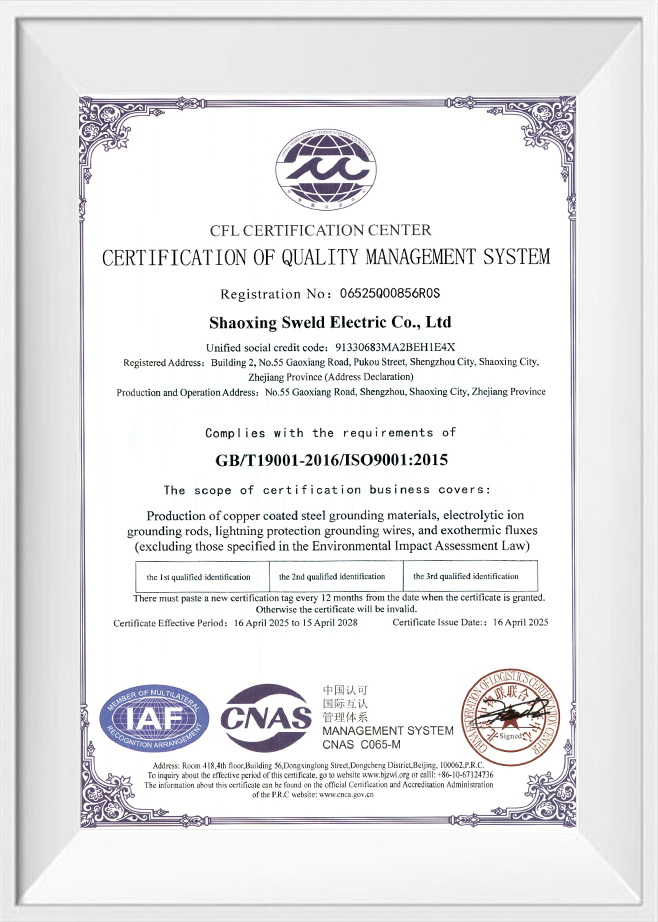
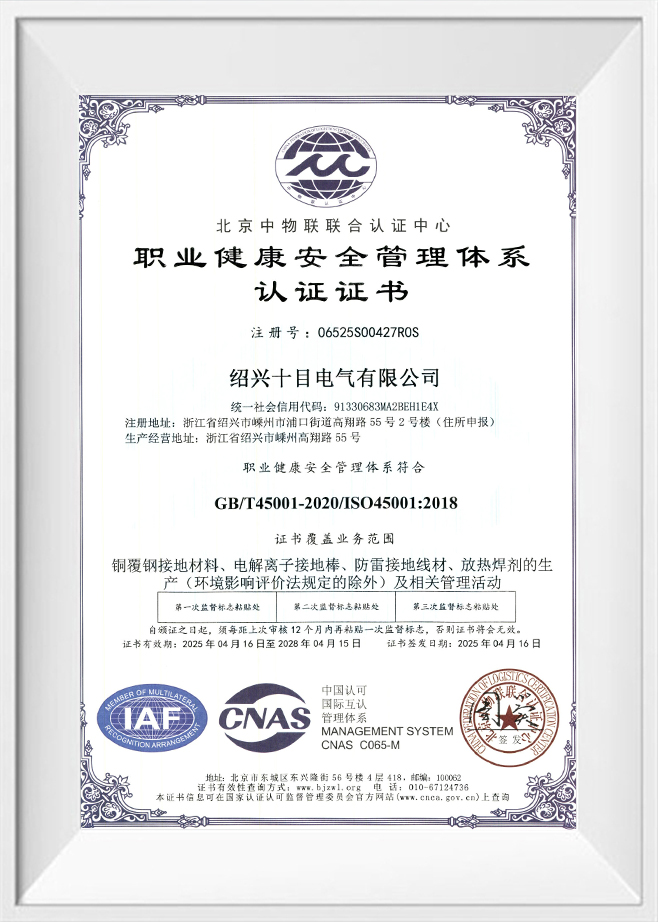
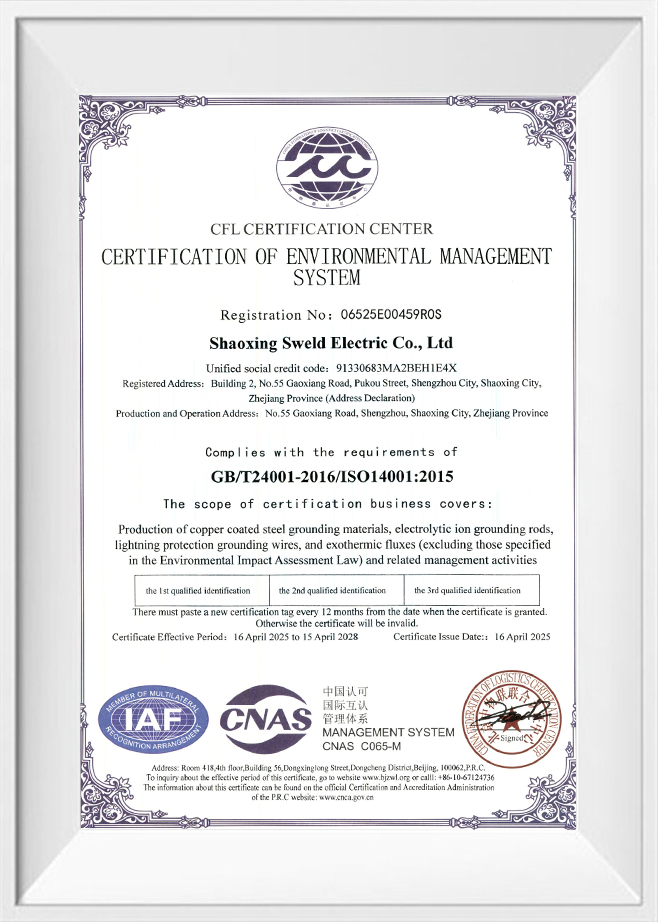
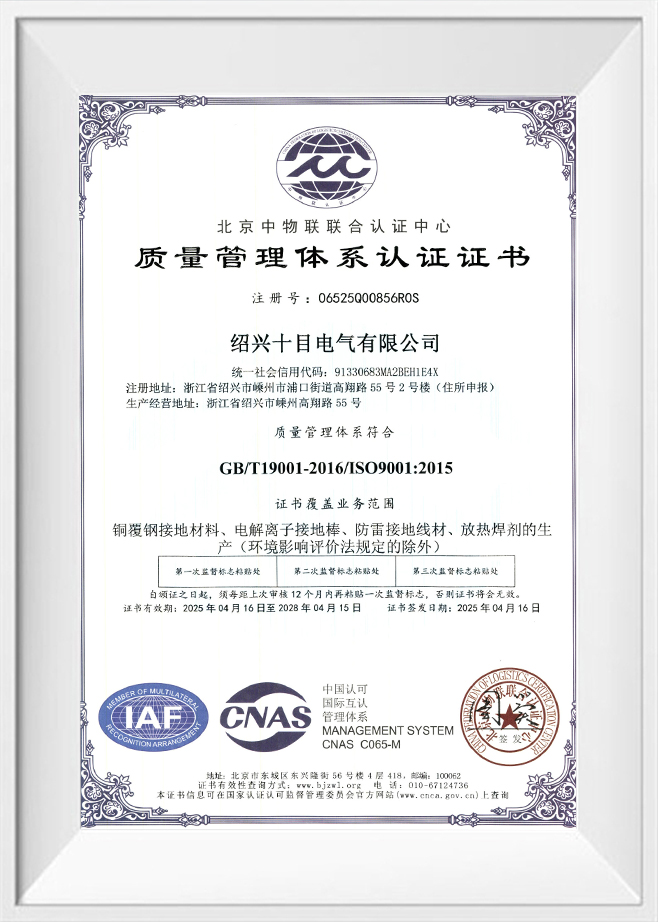
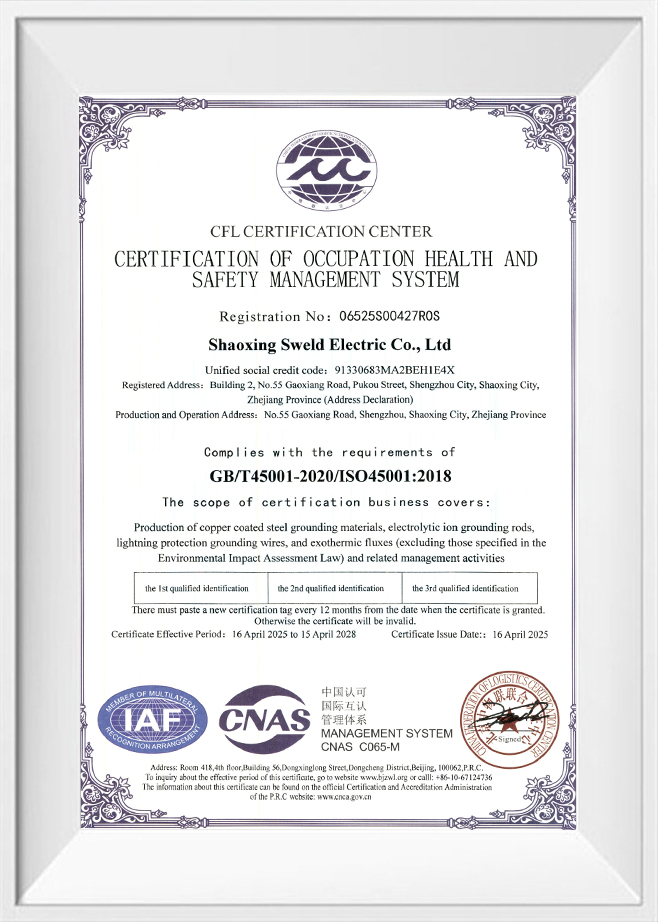
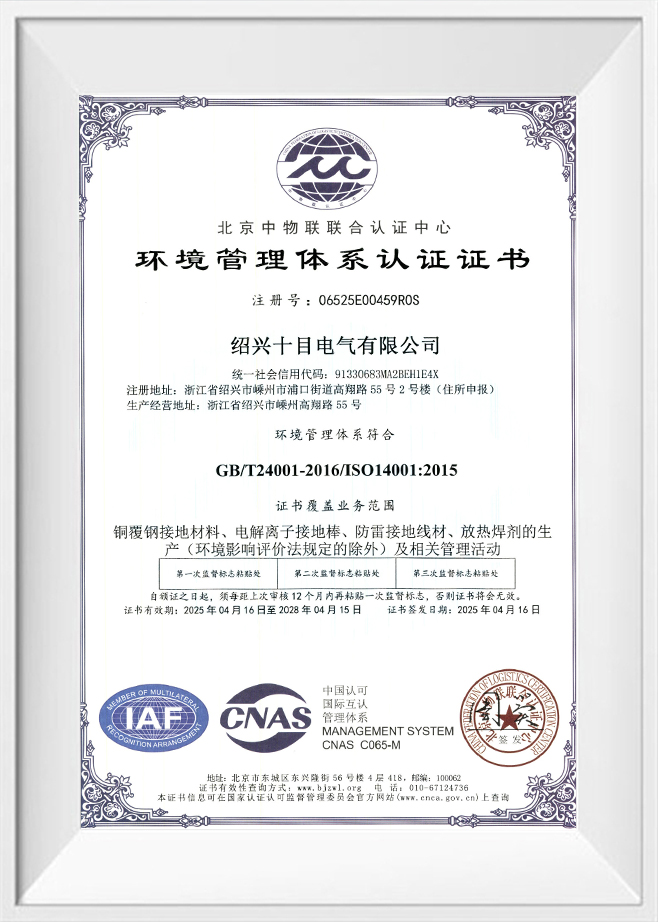
To ensure safety, Shaoxing Sweld Electric Co., Ltd. has obtained ISO9001, ISO14001, and ISO45001 certifications. Our Tin-Plated Copper Busbar meets national laboratory standards and holds export licenses for specialized packaging, providing global customers with a safe, one-stop solution.
Quality Testing and Compliance Standards
Shaoxing Sweld Electric Co., Ltd. has established a quality control process monitored under the ISO9001 system to ensure every Tin-Plated Copper Busbar works in harsh environments.
Core Inspection Items
- Thickness Detection: Using XRF spectrometers to sample surfaces and hole walls of the Tin-Plated Copper Busbar to ensure a tolerance within +/- 10%.
- Adhesion Testing: Verified via bending and cross-cut tests so the Tin-Plated Copper Busbar coating does not peel during installation.
- Conductivity and Temperature Rise: Ensuring conductivity stays at 58 MS/m and monitoring heat under high loads.
Laboratory Standard Comparison
Internal standards at Shaoxing Sweld Electric Co., Ltd. compared to national requirements:
| Test Item | National Standard (GB/T) | Shaoxing Sweld Standard |
| Tin Purity | >= 99.5% | >= 99.9% |
| Salt Spray (NSS) | 24 - 96 Hours | >= 1000 Hours |
| Substrate Hardness | 65 - 85 HV | 70 - 80 HV |
| Solderability | Wetting >= 90% | Wetting >= 98% |
International Compliance
Shaoxing Sweld Electric Co., Ltd. ensures all Tin-Plated Copper Busbar products comply with RoHS and REACH. We provide dangerous goods packaging certificates for exports and licenses for our molds, with all items tested by national labs.
Production Synergy
With over 50 specialists, Shaoxing Sweld Electric Co., Ltd. optimizes production in real-time. Our 7 CNC centers allow us to fix any conductive weaknesses found in testing, ensuring every Tin-Plated Copper Busbar batch is high-quality.
FAQ
Q1: Why choose a Tin-Plated Copper Busbar over a bare copper one?
A1: Contact stability is the main reason. Bare copper oxidizes, increasing resistance and heat. The Tin-Plated Copper Busbar provides a long-term low-resistance surface and aids in filling contact gaps due to the soft nature of tin.
Q2: How does the Tin-Plated Copper Busbar compare to silver-plated versions?
A2: It offers better value and sulfidation resistance.
| Feature | Tin-Plated Copper Busbar | Silver-Plated Copper Bar |
| Cost | Lower (Economical) | Extremely High |
| Sulfidation Resistance | Strong | Weak (Turns black) |
| Application | Static connections | Sliding contacts |
Q3: Does Shaoxing Sweld Electric Co., Ltd. support custom shapes?
A3: Yes. We have 7 CNC machining centers and produce 180 mold sets daily. We can handle U-bending, milling, and multi-hole designs for any Tin-Plated Copper Busbar requirement.
Q4: How should I choose tin thickness?
A4: Thicker isn't always better. 3-8 microns are for dry indoor panels. 10-20 microns are for high-humidity sites. Shaoxing Sweld Electric Co., Ltd. will advise on the best spec for your Tin-Plated Copper Busbar needs.
Q5: Does the tin layer affect high-frequency efficiency?
A5: Impact is negligible. The tin layer on a Tin-Plated Copper Busbar is only microns thick. The stability and protection it provides far outweigh any minor resistance increase from the skin effect.
Q6: How does the product work with lightning protection?
A6: Shaoxing Sweld Electric Co., Ltd. is a full-chain maker. Our Tin-Plated Copper Busbar acts as a grounding bar and is 100% compatible with our 500-ton capacity welding powder for a permanent molecular connection.