


 English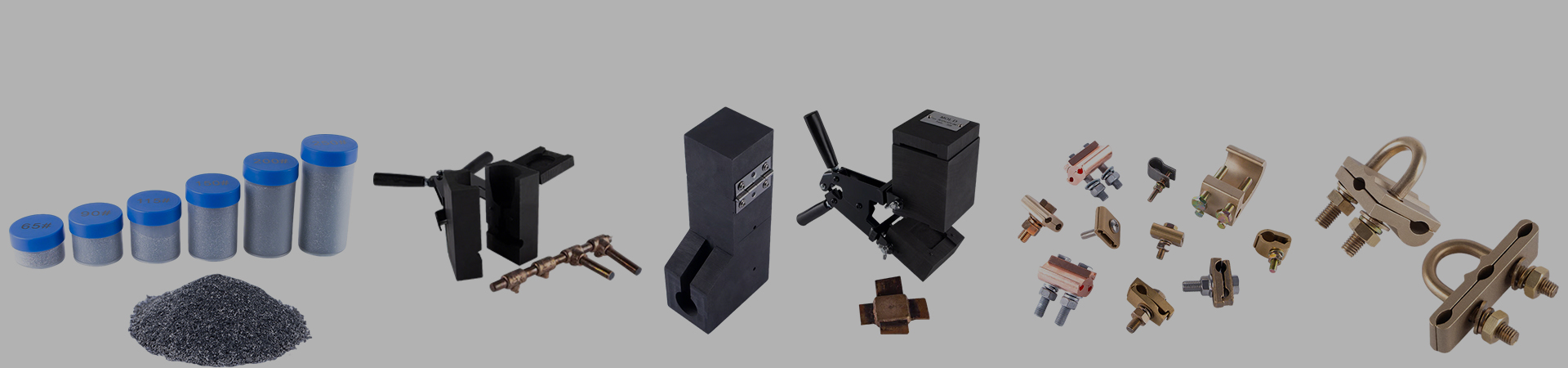
What is a hot-dip galvanized flat steel bar?
A hot-dip galvanized flat steel bar is a type of steel bar that undergoes a process called hot-dip galvanizing, where the steel is dipped into a bath of molten zinc at temperatures typically between 450°C and 460°C. This process creates a metallurgical bond between the zinc and steel, forming a protective layer of zinc on the surface of the steel. The resulting coating not only provides physical protection against corrosion but also forms a sacrificial barrier, meaning that the zinc will corrode before the underlying steel does, extending the steel's lifespan in harsh environments.
The galvanizing process begins with cleaning the steel to remove any oils, dirt, and rust. The steel is usually immersed in a pickling solution (typically hydrochloric acid) to remove mill scale and rust. Afterward, the steel is dipped in a flux solution to prepare it for the molten zinc bath. The steel bar is then submerged in the molten zinc, and the zinc forms a protective coating through a chemical reaction that binds zinc to the iron in the steel.
The zinc coating formed during the hot-dip galvanizing process consists of multiple layers, including a pure zinc layer, a zinc-iron alloy layer, and a bond between the zinc and steel. The thickness of the zinc layer depends on several factors, such as the time the steel is immersed in the molten zinc, the composition of the steel, and the temperature of the galvanizing bath.
This process provides a highly durable and long-lasting coating that protects the steel against rust and corrosion, even in extreme environmental conditions. The durability of galvanized steel is particularly evident in outdoor applications, where it can withstand exposure to the elements, including rain, humidity, and UV radiation, without significant deterioration.
In addition to its corrosion resistance, hot-dip galvanized flat steel bars are known for their high strength and structural integrity. The steel beneath the zinc coating retains its original mechanical properties, including tensile strength, yield strength, and ductility. The coating is also highly resistant to mechanical wear and tear, making these bars ideal for use in applications where the steel is subject to abrasion or impact.
Hot-dip galvanized flat steel bars are also highly cost-effective in the long run due to their minimal maintenance requirements. Unlike painted steel, which can deteriorate over time and requires frequent reapplication of paint, galvanized steel bars require very little upkeep. This makes them an excellent choice for projects that demand both durability and low maintenance costs.
What are hot-dip galvanized flat bars used for?
Hot-dip galvanized flat steel bars are versatile products used in a variety of industries and applications, primarily due to their outstanding corrosion resistance and durability. The zinc coating formed during the hot-dip galvanizing process acts as a protective shield, allowing the steel bars to withstand exposure to moisture, air, chemicals, and other harsh environmental factors. Below are some of the most common uses of hot-dip galvanized flat bars:
1. Construction and Structural Support: One of the primary uses of hot-dip galvanized flat steel bars is in construction, where they are used for structural framing, support beams, and reinforcement. The steel's high strength and corrosion resistance make it ideal for use in both residential and commercial buildings, as well as in bridges, tunnels, and other infrastructure projects. In environments where exposure to moisture is common (such as near bodies of water or in humid regions), hot-dip galvanized flat bars offer superior protection against rust and decay compared to uncoated steel.
2. Electrical and Grounding Systems: Hot-dip galvanized flat steel bars are extensively used in electrical grounding and earthing systems. These systems are critical for safely dissipating electrical energy in case of a fault. Galvanized steel bars provide excellent conductivity and can handle the demands of grounding systems, while the zinc coating ensures the bars do not corrode over time, maintaining their effectiveness in ensuring safety. The durability of galvanized steel in underground and outdoor settings makes it a preferred material for these applications.
3. Fencing and Guardrails: Another common application is in the fencing industry. Galvanized flat steel bars are often used to construct fence posts, guardrails, and perimeter barriers. The durability of the zinc coating ensures that the steel will resist corrosion, even when exposed to outdoor weather conditions. Whether used in residential, industrial, or agricultural fencing, galvanized steel ensures long-lasting strength and protection against environmental wear and tear.
4. Transportation and Traffic Infrastructure: Hot-dip galvanized flat bars are commonly used in traffic signage, traffic barriers, and road safety equipment. For example, highway guardrails, traffic signal poles, and sign posts are often made from galvanized steel. The protective coating makes these materials suitable for areas with high exposure to the elements, including roads and highways, where the metal would otherwise rust and deteriorate quickly.
5. Solar Energy Applications: In the solar energy industry, galvanized flat steel bars are frequently used in solar mounting structures. These bars are used to build the frames that hold solar panels in place. The high corrosion resistance of galvanized steel ensures that the frames will last for many years, even when exposed to sunlight, rain, snow, and other environmental factors. This makes it an ideal material for outdoor use in renewable energy installations.
6. Marine and Offshore Applications: Due to its exceptional resistance to rust and corrosion, hot-dip galvanized flat bars are also used in marine and offshore applications. The harsh environment of seawater, along with exposure to salt, moisture, and extreme temperatures, makes corrosion resistance critical in these industries. Galvanized steel is commonly used for marine infrastructure, including docks, piers, offshore rigs, and shipbuilding.
7. Industrial Equipment and Manufacturing: Galvanized flat bars are often used in industrial equipment and machinery where structural integrity and corrosion resistance are key. They are used in components such as frames, supports, brackets, and machine bases. In manufacturing environments, these bars can be used for material handling systems, pallet racking, and storage solutions.
How long does galvanized flat bar last outdoors?
The outdoor service life of a hot-dip galvanized flat steel bar mainly depends on three key factors: zinc coating thickness, environmental conditions, and installation or maintenance methods. Thanks to the hot-dip galvanizing process, the steel surface is protected by a thick, metallurgically bonded zinc layer that provides both barrier protection and sacrificial (cathodic) protection, allowing the steel to resist rust for decades even in demanding outdoor environments.
Zinc coating thickness (most critical factor)
The durability of galvanized steel directly correlates with the thickness of the zinc coating. Typically, the zinc layer ranges from 40–100 μm, or approximately 275–610 g/m², depending on standards such as ASTM A123 or ISO 1461.
- 40–60 μm coating → 10–20 years
- 70–85 μm coating → 20–30 years
- 100 μm+ coating → 30–50+ years
A thicker zinc layer means more material must corrode before the base steel is exposed, which significantly extends service life. For grounding or buried applications, thicker coatings are usually recommended.
Environmental exposure
Outdoor lifespan also varies depending on environmental conditions:
- Dry inland or rural areas → 40–50 years or more
- Urban environments → 30–40 years
- Coastal or marine areas (salt spray) → 20–30 years
- Industrial or chemical zones → 10–20 years
Moisture, salt, acid rain, and pollutants accelerate zinc consumption. Therefore, project location should always be considered when selecting coating thickness.
Installation & maintenance
Proper installation also affects longevity. Cutting, drilling, or welding may damage the zinc coating locally. These areas should be repaired using zinc-rich paint or cold galvanizing spray to restore protection. Regular inspection ensures maximum lifespan.
For electrical grounding and lightning protection systems, corrosion resistance is especially important because rust can increase resistance and reduce system safety. That’s why hot-dip galvanized flat bars are widely used as grounding conductors, earthing strips, and bonding connectors.
Practical solution with Shaoxing Sweld Electric Co., Ltd.’s grounding systems
In grounding and lightning protection applications, galvanized flat bars are often used together with ground rods, stranded grounding wires, and exothermic welding connections to create a complete, long-lasting earthing network.
Shaoxing Sweld Electric Co., Ltd., established in 2018 and located in Shengzhou, Shaoxing, China, specializes in professional grounding and lightning protection solutions. Our factory covers 3,000 square meters and is supported by a skilled technical team and experienced sales staff of over 50 employees.
Shaoxing Sweld Electric Co., Ltd. mainly produces:
- Exothermic welding powder
- Ground rods
- Ground wire & stranded wire
- Electrical hardware connection parts
- Lightning rod products
- Exothermic welding molds
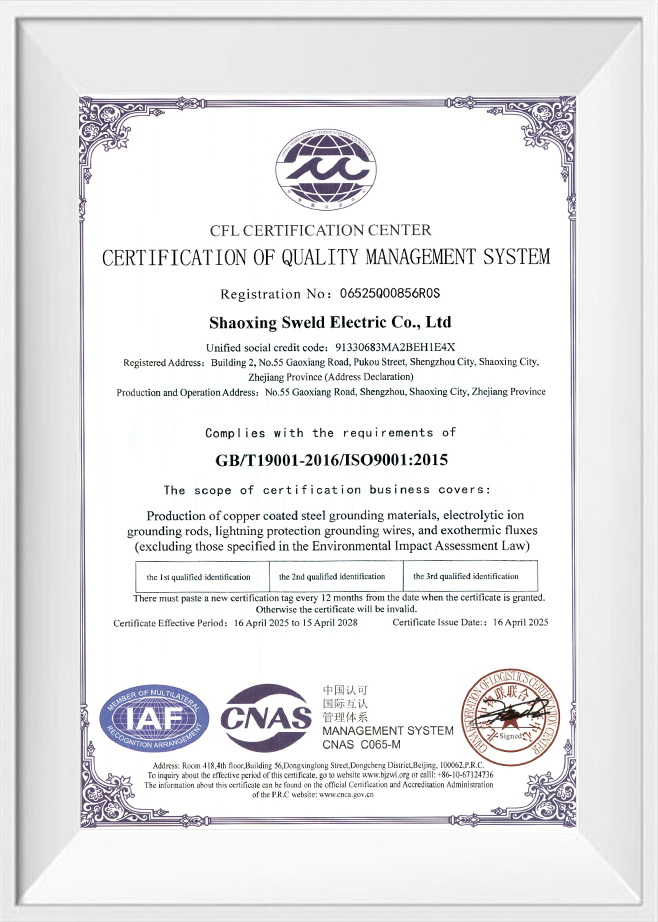
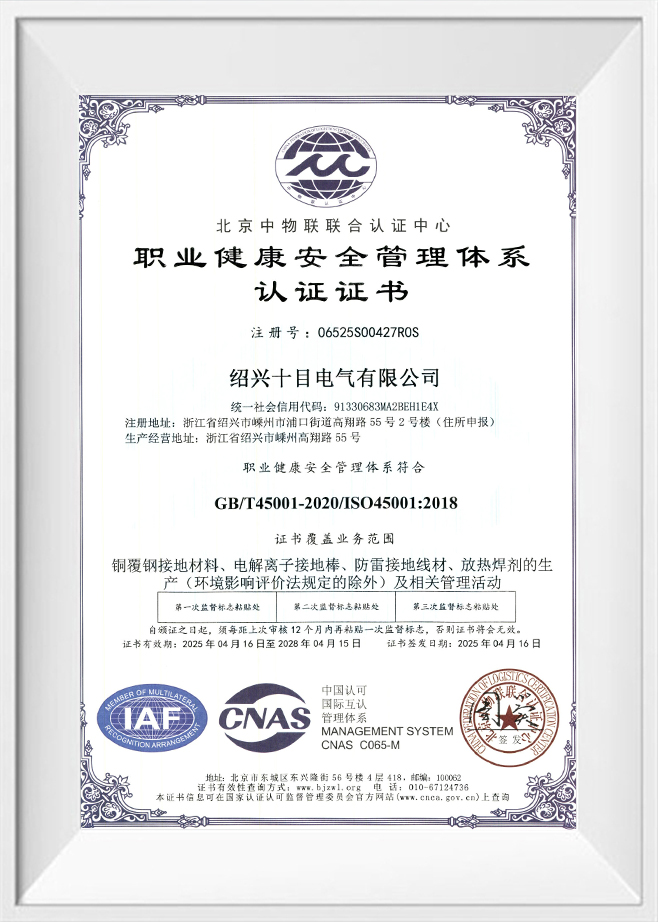
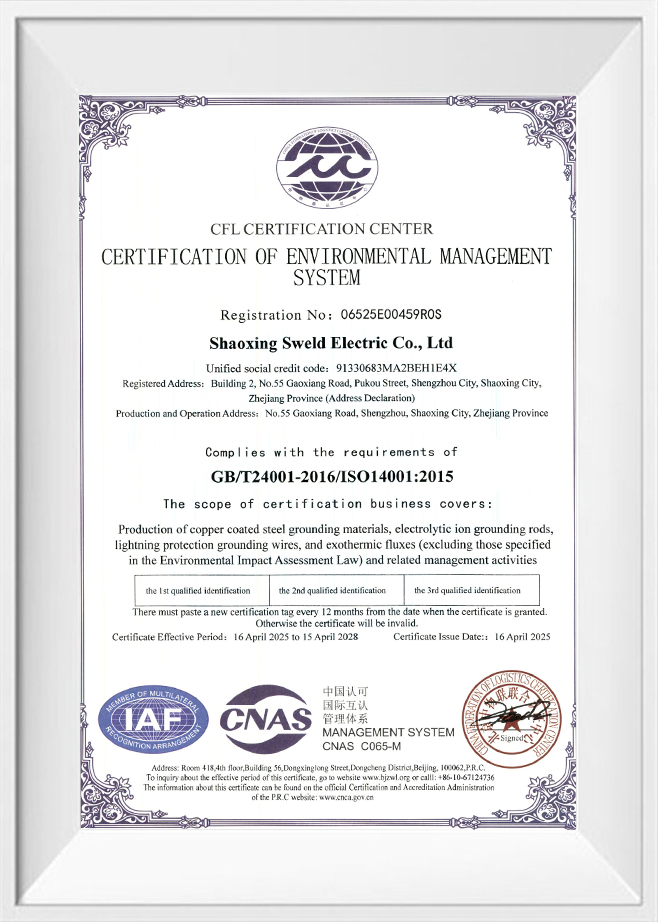
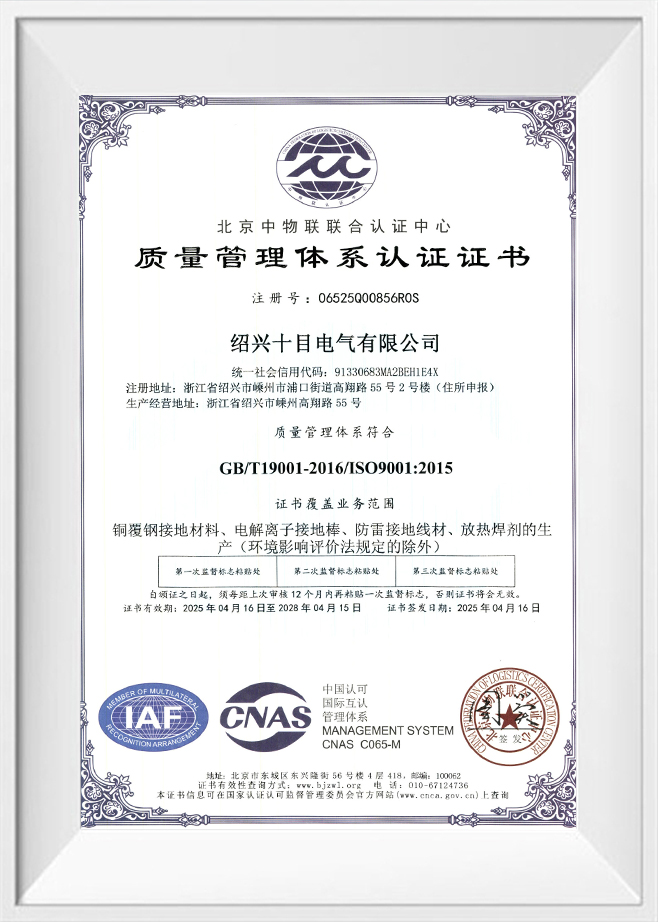
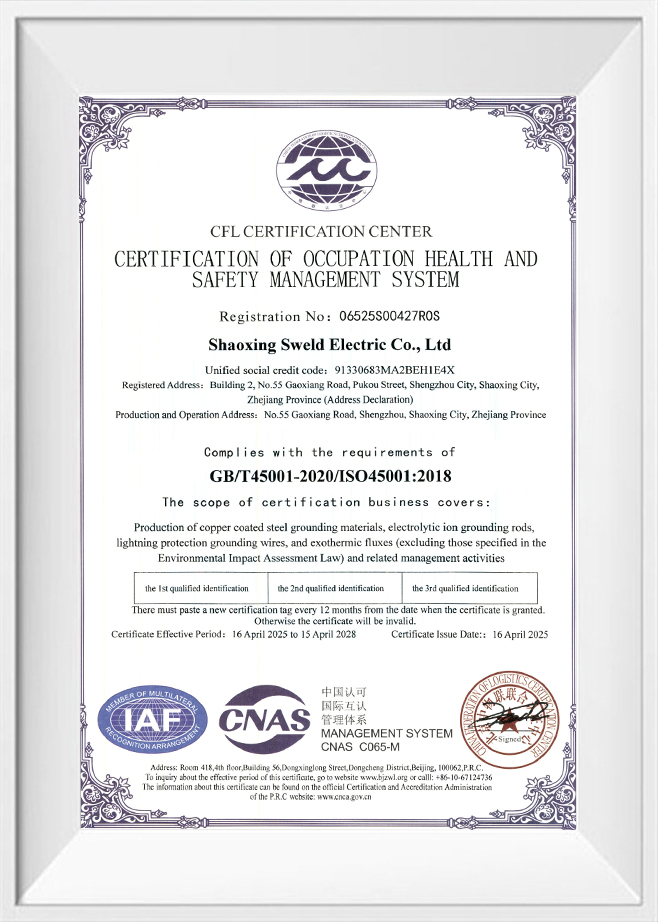
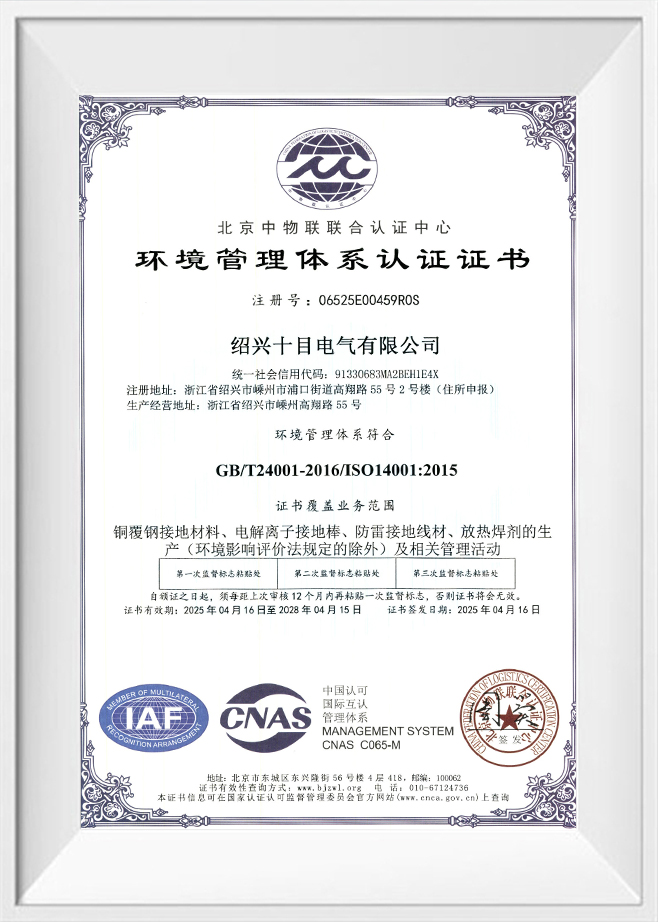
With an annual production capacity of 500 tons of exothermic welding powder and 180 sets of welding molds per day, we provide complete and reliable grounding connection systems. All products comply with ISO9001, ISO14001, and ISO45001 certifications, and are tested by national certified laboratories.
When hot-dip galvanized flat bars are combined with Shaoxing Sweld Electric Co., Ltd.’s exothermic welding technology, connections become permanent, low-resistance, and corrosion-resistant, ensuring grounding systems can perform safely for 30–50 years or more without maintenance.