


 English
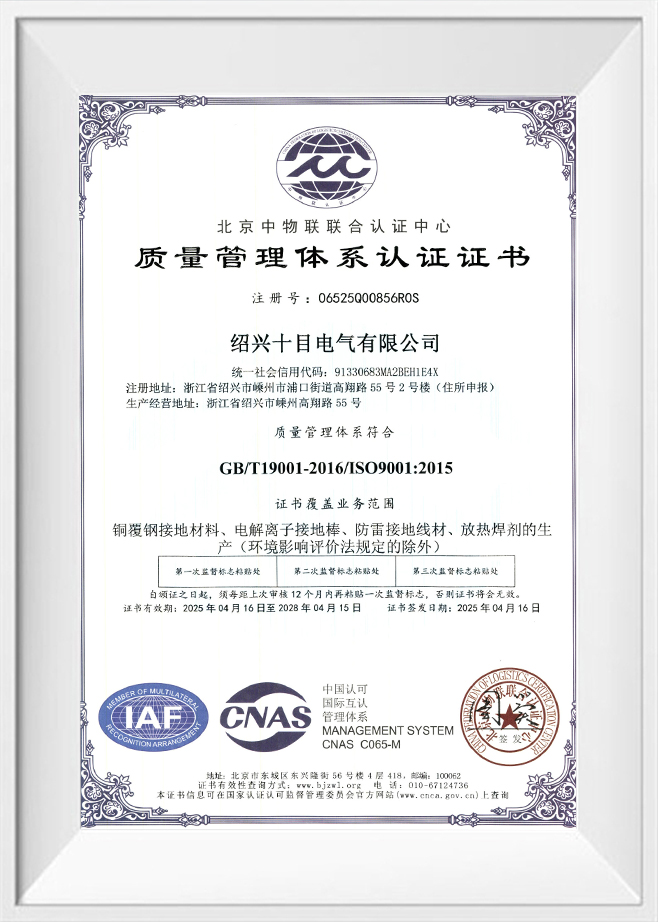
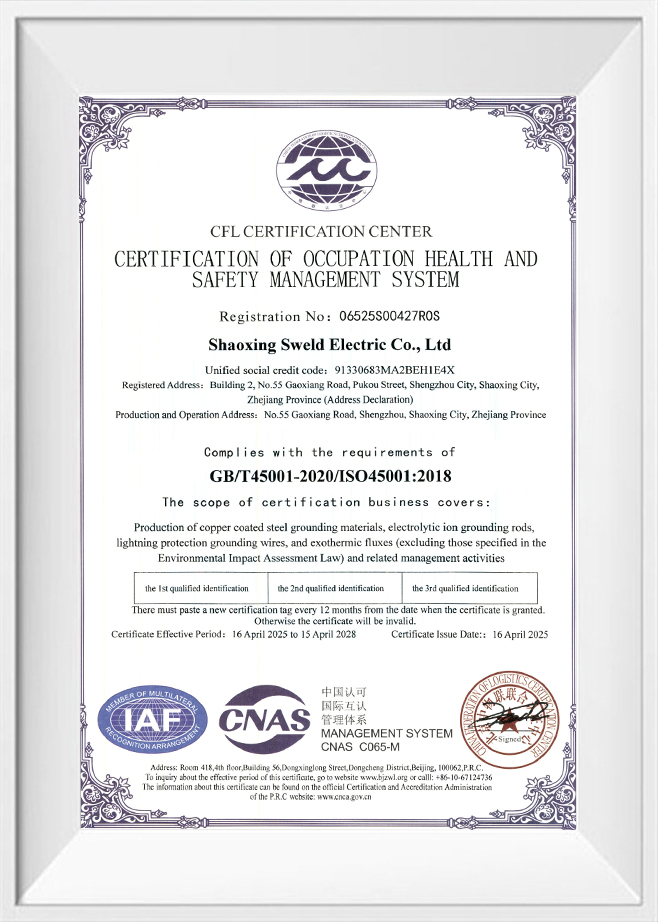
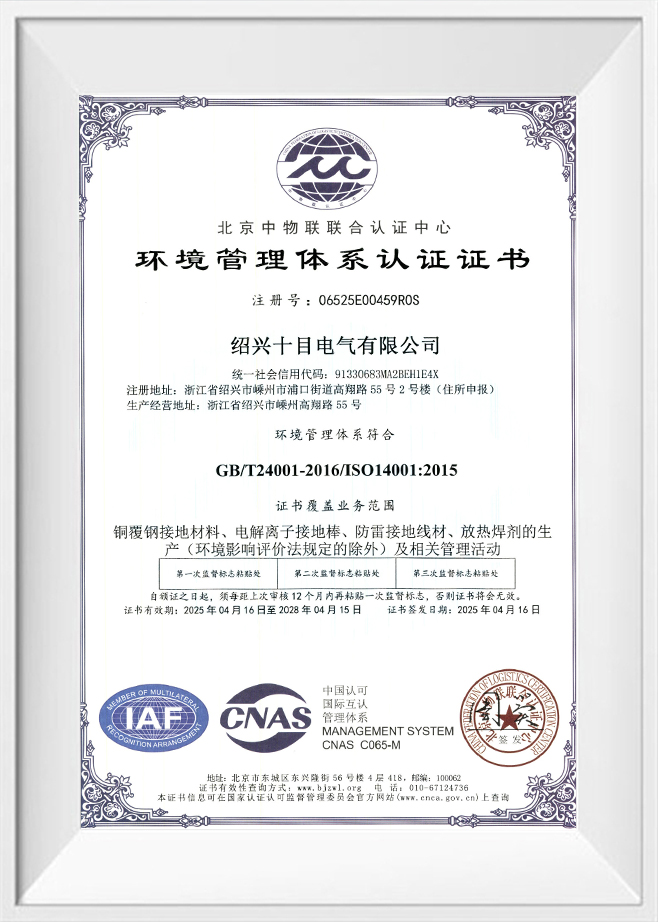
In today’s highly automated industrial landscape, the quality of power and signal transmission directly determines the operational efficiency of entire systems. PVC Tin-Plated Flexible Copper Stranded Wire, a product that integrates material science with precision mechanical manufacturing, has become an indispensable “vascular system” for countless high-end devices. As a dedicated leader in this field, Shaoxing Sweld Electric Co., Ltd. is committed to providing superior wire and cable solutions through continuous technical innovation for global customers.
Why is the Tin-Plating Process Critical for the Long-Term Reliability of Flexible Stranded Wire?
In copper wire applications, oxidation is the most fundamental cause of performance degradation. While pure copper possesses excellent electrical conductivity, its chemical properties are unstable in the atmosphere, easily forming cuprous oxide or copper oxide. To address this pain point, Shaoxing Sweld Electric Co., Ltd. employs advanced electro-tinning technology.
The tin layer provides a dense “chemical armor.” Tin (Sn) is relatively stable and forms a thin, protective oxide film at room temperature, preventing oxygen and moisture from penetrating the internal copper core. In industrial environments characterized by high humidity, salt spray, or corrosive gases (such as sulfur dioxide), ordinary copper wires may turn green, become brittle, and show increased resistance within months. However, wires treated with our precision tin-plating exhibit several times the oxidation resistance, ensuring a service life of 10 to 15 years even in harsh conditions.
For flexible stranded wires, the tin-plating process significantly improves contact resistance. During the twisting of multiple fine strands, if the copper oxidizes, the contact resistance between individual strands increases, leading to uneven current distribution and potential localized overheating. Shaoxing Sweld Electric Co., Ltd. strictly controls the uniformity and thickness of the plating. This ensures that every single fine filament achieves excellent electrical contact through the tin layer, maintaining a low and stable volume resistivity.
Solderability is a core advantage of tin-plated wire. On automated production lines, the reliability of solder joints is paramount. The tin layer has a natural affinity for both leaded and lead-free solders, allowing for fast and firm wetting without the need for highly corrosive fluxes. This not only boosts production efficiency but also eliminates the risk of long-term corrosion caused by flux residue.
The tin layer acts as a “behind-the-scenes hero” in preventing the aging of the insulation. In certain PVC formulations, stabilizers or plasticizers may react with bare copper at high temperatures, causing the insulation to harden or crack. The tin layer blocks this direct chemical contact, preserving the physical flexibility and integrity of the PVC material over time.
How Does “Flexible” Design Solve Fatigue and Stress Challenges in Complex Wiring Through Microstructure?
“Flexibility” is not a vague sensory description; it is a rigorous mechanical engineering metric. In the production facilities of Shaoxing Sweld Electric Co., Ltd., we endow our wires with ultimate physical performance by precisely controlling the stranding pitch and individual filament diameter.
Ordinary solid-core copper wires are prone to fracture after repeated bending due to metal fatigue. In contrast, our flexible copper stranded wire consists of dozens or even hundreds of ultra-fine tin-plated copper filaments, with diameters ranging from 0.05mm to 0.20mm. When the wire bends, each filament can slide independently within the structure, significantly offsetting internal bending stress. This design allows the wire to bend easily in tight spaces—such as servo motor housings or compact distribution cabinets—without causing stress concentration that could damage the insulation layer.
In dynamic application scenarios, such as the joints of industrial robots or drag chain systems with reciprocating motion, the fatigue resistance of the wire directly determines the system’s downtime. Shaoxing Sweld Electric Co., Ltd. utilizes a complex “bunching and compound stranding” process to ensure that every strand is distributed in a stable helical geometry. This structural stability ensures that current remains transmitted reliably even after millions of reciprocating cycles.
Moreover, flexibility brings a revolution to installation convenience. In large-scale harness assembly, flexible wires are easier to organize, bundle with cable ties, and thread through conduits. Unlike rigid wires, they do not exhibit a strong “memory effect,” meaning they won’t exert excessive mechanical pressure on terminal blocks due to spring-back forces. Our manufacturing processes strictly adhere to international standards, ensuring that every spool of wire leaving our factory possesses consistent suppleness and a compact structure.
How Does the PVC Insulation Layer Provide All-Round Electrical and Physical Protection?
The insulation layer is the armor of the wire, and Shaoxing Sweld Electric Co., Ltd. maintains rigorous standards for PVC material selection and processing. Polyvinyl Chloride (PVC) has become the industry standard because it achieves a perfect balance between electrical performance, mechanical strength, and cost-effectiveness.
Electrical safety is the core priority. The high-quality PVC granules we use possess high volume resistivity and dielectric strength. This means that under rated voltages (such as 300/500V or 450/750V), leakage current is virtually negligible. Even in high-temperature environments, the stability of the PVC molecular structure ensures the insulation will not break down, preventing short-circuit fire hazards.
Environmental adaptability is key. For different applications, Shaoxing Sweld Electric Co., Ltd. provides customized PVC formulations. For instance, our heat-resistant PVC can operate long-term at 105°C without thermal degradation; our flame-retardant products comply with the UL VW-1 standard, where flames self-extinguish within a very short time after the heat source is removed, greatly limiting fire spread. Additionally, for the petrochemical industry, we offer specialized PVC models that are resistant to oil, acids, and alkalis.
Mechanical protection and environmental compliance are essential. PVC offers excellent abrasion resistance, effectively resisting dragging and scratching during installation. More importantly, as a socially responsible enterprise, all PVC cables produced by Shaoxing Sweld Electric Co., Ltd. comply with RoHS 2.0 and REACH environmental directives. This ensures that our products are free of harmful substances such as lead, mercury, cadmium, and polybrominated biphenyls, making them suitable for export to high-end markets in Europe and the Americas.
To provide a more intuitive understanding of our technical boundaries, the core parameters of our products are summarized below:
| Technical Indicator | Detailed Description | The Sweld Advantage |
|---|---|---|
| Conductor Material | High-purity Oxygen-Free Copper (OFC, >99.95%) | Ultra-low oxygen content, conductivity exceeds IACS standards |
| Plating Thickness | 3μm - 8μm (Customizable) | Uniform plating with superior anti-oxidation performance |
| Filament Diameter | 0.05mm - 0.25mm | Supports ultra-flexible structures for high-frequency bending |
| Insulation Hardness | Shore A 60 - 90 | Balances softness with compression resistance |
| Temperature Range | -20°C to +105°C | Covers environments from cold storage to high-temp engine rooms |
| Flame Retardancy | UL VW-1, FT1, IEC 60332 | High safety protection with self-extinguishing properties |