


 English
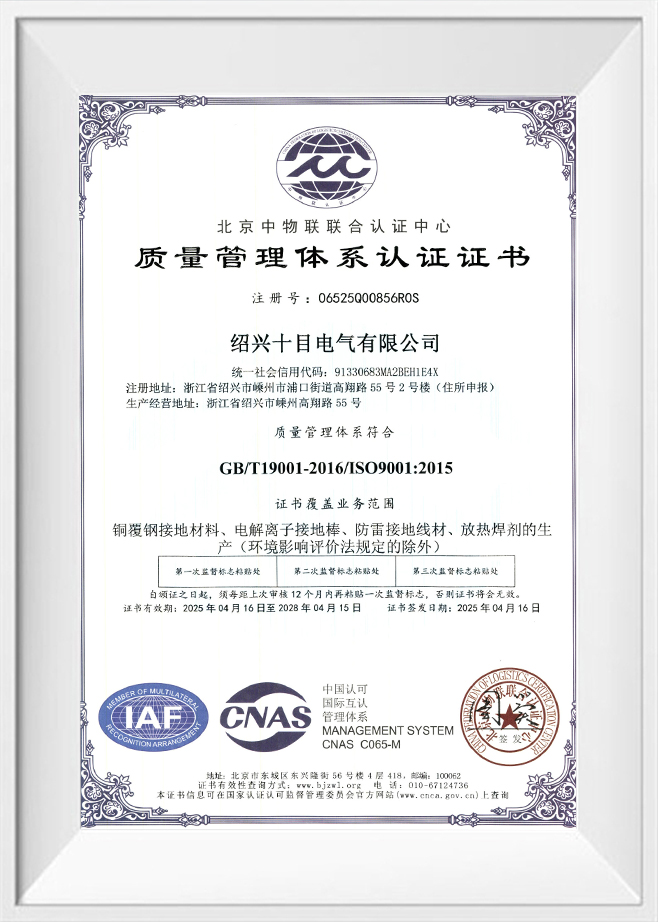
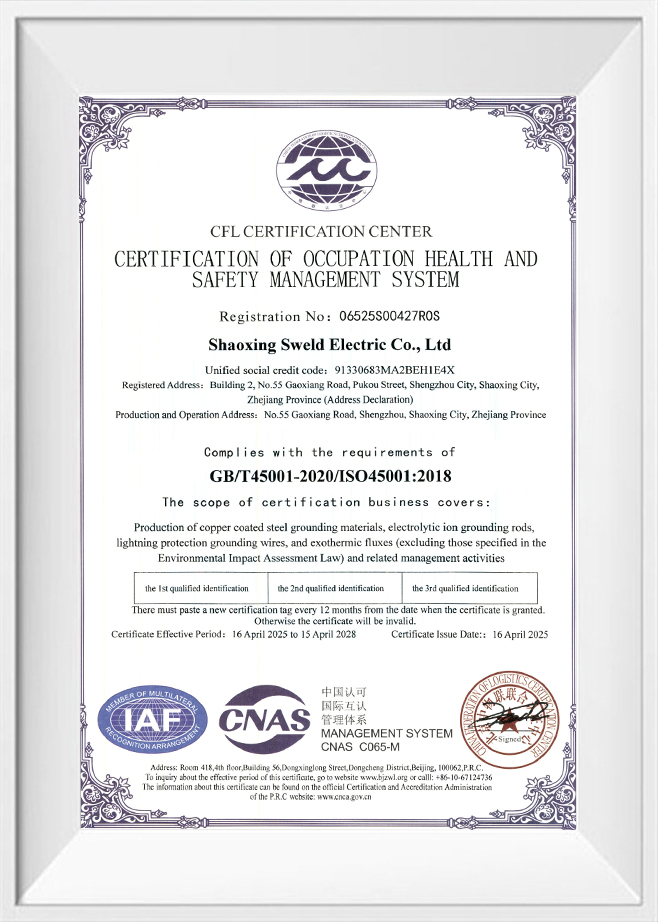
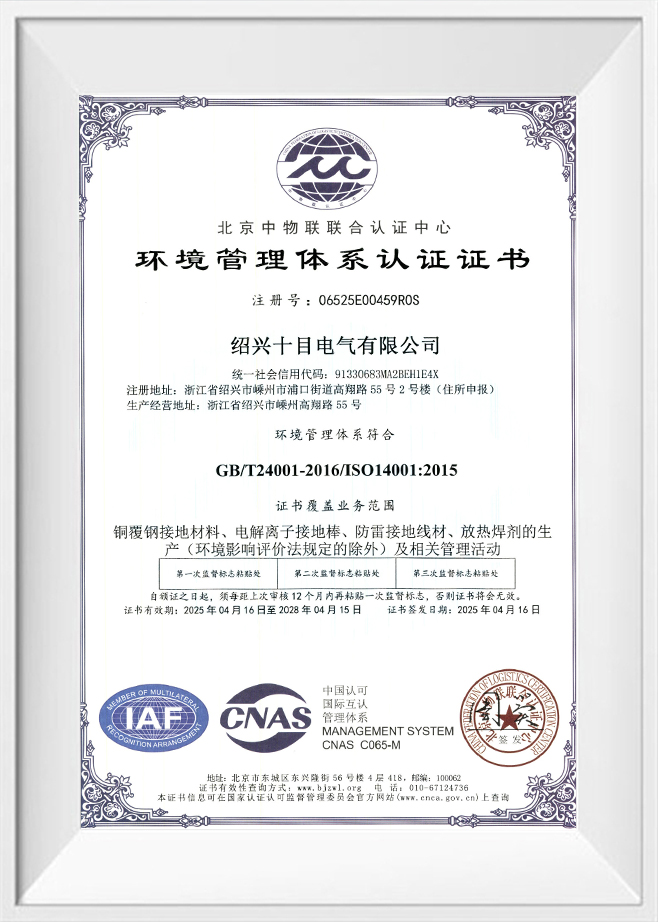
In the architecture of modern industrial electrical systems, the choice of conductor directly dictates the stability and safety of the entire grid. Shaoxing Sweld Electric Co., Ltd., a premier global manufacturer of earthing materials and electrical connectivity solutions, is dedicated to developing high-quality conductive options capable of withstanding extreme environments. Tin-plated flexible copper stranded wire stands as one of our flagship products, blending superior electrical properties with physical durability to become the preferred choice for power utilities, rail transit, and automation sectors.
1. Superior Corrosion Resistance and Long-Term Reliability
In complex industrial environments, oxidation is the greatest enemy of copper conductors. While pure copper boasts exceptional electrical conductivity, it rapidly develops a layer of non-conductive copper oxide when exposed to humidity, salt spray, or industrial pollutants. Shaoxing Sweld Electric Co., Ltd. solves this pain point by applying a uniform, high-purity tin coating over every individual micro-strand of copper.
Tin possesses remarkable chemical stability. At ambient temperatures, a dense protective film forms on the surface of the tin layer, effectively blocking oxygen and moisture from penetrating the copper core. This protection is critical in maritime engineering, coastal photovoltaic plants, and chemical processing facilities. In these settings, traditional bare copper wires suffer from a shrinking effective cross-sectional area due to corrosion, leading to increased resistance, heat buildup, and fire hazards. The precision tin-plating process utilized by Sweld Electric ensures that the conductors maintain their initial low resistivity throughout a service life spanning decades.
Furthermore, because Shaoxing Sweld Electric Co., Ltd. employs advanced hot-dip or electrolytic plating technologies, a robust metallic bond is formed between the tin layer and the copper substrate. This means the tin coating will not flake or crack even when the wire is subjected to frequent bending or mechanical impact. This deep material protection not only extends equipment life but also significantly reduces long-term maintenance costs for the end-user. For high-end manufacturers pursuing a “zero-maintenance” philosophy, our tin-plated stranded wire is the strategic choice for long-term reliability.
2. Enhanced Solderability and Termination Stability
Electrical system failures rarely occur in the middle of a cable; they happen at the connection points. Shaoxing Sweld Electric Co., Ltd. deeply understands the criticality of terminal integrity, which is why we have specifically enhanced the solderability of our tin-plated flexible copper stranded wire.
Tin is a primary component of most soldering alloys, which grants tin-plated wire excellent “wetting” properties during the soldering process. When technicians perform terminal soldering or PCB connections, the molten solder rapidly and uniformly encapsulates every tiny tin-plated strand, creating a high-strength bond with minimal contact resistance. In contrast, bare copper develops an oxide layer over time, often requiring aggressive fluxes or mechanical sanding before soldering—steps that increase complexity and risk secondary corrosion from flux residue.
Beyond soldering, the tin layer effectively mitigates “galvanic corrosion.” In electrical terminations, contact between dissimilar metals (such as copper wire meeting aluminum terminals or steel structures) is common. The products from Shaoxing Sweld Electric Co., Ltd. use the tin layer as a buffer, smoothing the potential difference between metals and reducing the risk of electrolytic corrosion in damp environments.
To assist in your engineering selection, we have compiled the following technical specifications for our standard range:
| Model (mm²) | Strands/Wire Dia. (mm) | Max DC Resistance (Ω/km, 20°C) | Rated Current (A, Approx.) | Typical Application |
|---|---|---|---|---|
| Sweld-TFC 16 | 513 / 0.20 | ≤ 1.21 | 110 | Substation Grounding |
| Sweld-TFC 35 | 1120 / 0.20 | ≤ 0.554 | 190 | Control Cabinet Jumpers |
| Sweld-TFC 70 | 2240 / 0.20 | ≤ 0.272 | 310 | Rail Transit Traction |
| Sweld-TFC 120 | 3822 / 0.20 | ≤ 0.161 | 450 | Power Generators/Transformers |
As demonstrated in the table, our products maintain extremely high flexibility while strictly controlling DC resistance, ensuring every watt of power is transmitted with precision.
3. Mechanical Flexibility and Fatigue Life in Dynamic Applications
“Flexibility” is the hallmark of Shaoxing Sweld Electric Co., Ltd.'s tin-plated copper stranded wire. In automated production lines, robotic arms, and rail traction systems, cables must endure millions of repetitive bending cycles. Standard solid conductors or coarse stranded wires are prone to metal fatigue and snapping under such high-frequency stress.
Our flexible stranded wire utilizes a sophisticated compound-stranding process with micro-diameter copper filaments. Each individual strand is typically controlled between 0.15mm and 0.20mm. Through specific lay-length designs, these strands are allowed to slide slightly against one another during bending, effectively neutralizing mechanical stress. This design grants the product an incredibly tight bending radius, allowing for easy routing in the cramped spaces of modern distribution cabinets.
In this dynamic context, the tin layer serves an unexpected purpose: it acts as a “solid lubricant” between the filaments, reducing internal friction and wear. Additionally, because the tin coating prevents chemical reactions between the copper and the insulation materials (specifically avoiding “sulfidization” from rubber insulation), the wire remains soft over time. It does not become brittle or harden with age, which is a common failure mode in lower-quality alternatives.
Shaoxing Sweld Electric Co., Ltd. operates a comprehensive fatigue-testing laboratory where every batch of our flexible tin-plated wire undergoes rigorous cycle testing. This commitment to quality ensures that our products perform exceptionally in high-stakes applications like wind turbines, hoisting machinery, and New Energy Vehicle (NEV) battery connections. Whether in Arctic cold or tropical humidity, Sweld Electric’s conductors remain the most reliable “veins” for energy transmission.