


 English
Hard Copper Stranded Wire is a specialized conductor engineered for applications where electrical efficiency must be paired with high structural rigidity and mechanical stability. Unlike soft-drawn or annealed copper, which is designed for flexibility, hard-drawn copper is processed to increase its tensile strength and resistance to deformation. By twisting multiple strands of this high-purity copper into a tight, structural bundle, engineers create a conductor that can span significant distances or maintain its shape in fixed wiring environments without sagging or yielding to mechanical stress. This makes it a core material for electrical trunk lines, industrial power distribution, and grounding grids that require both high current-carrying capacity and a robust physical footprint.
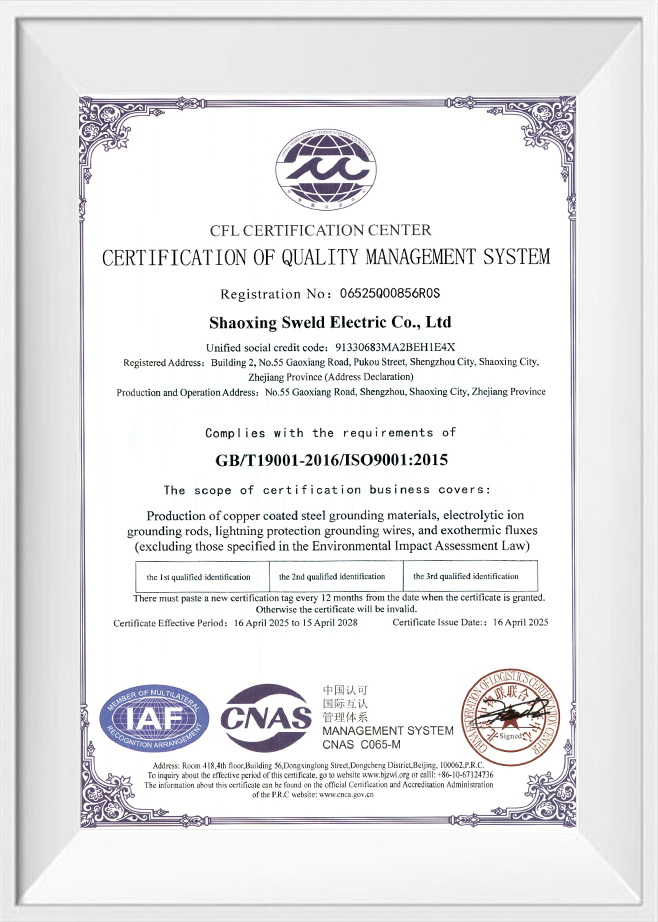
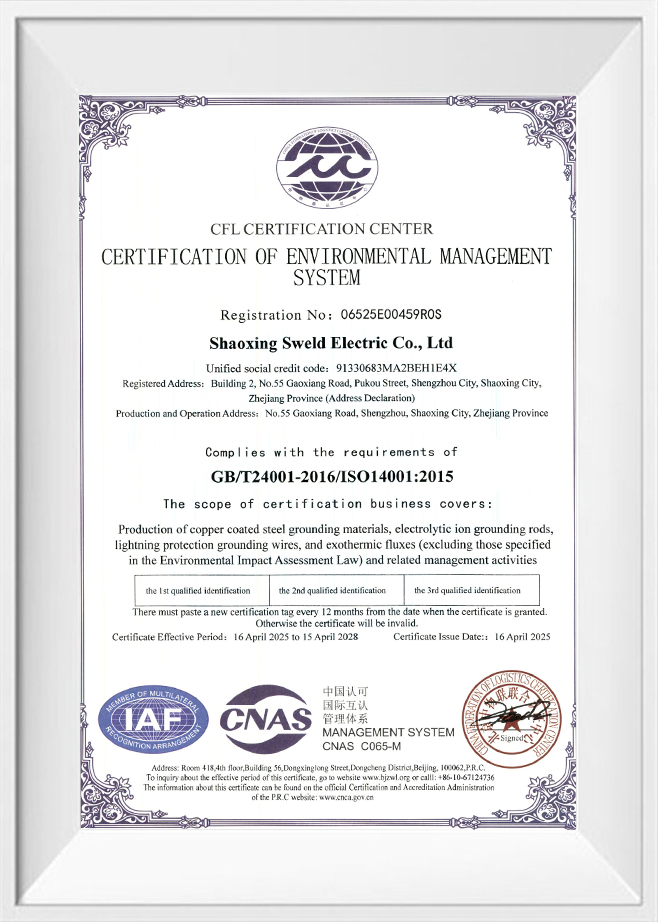
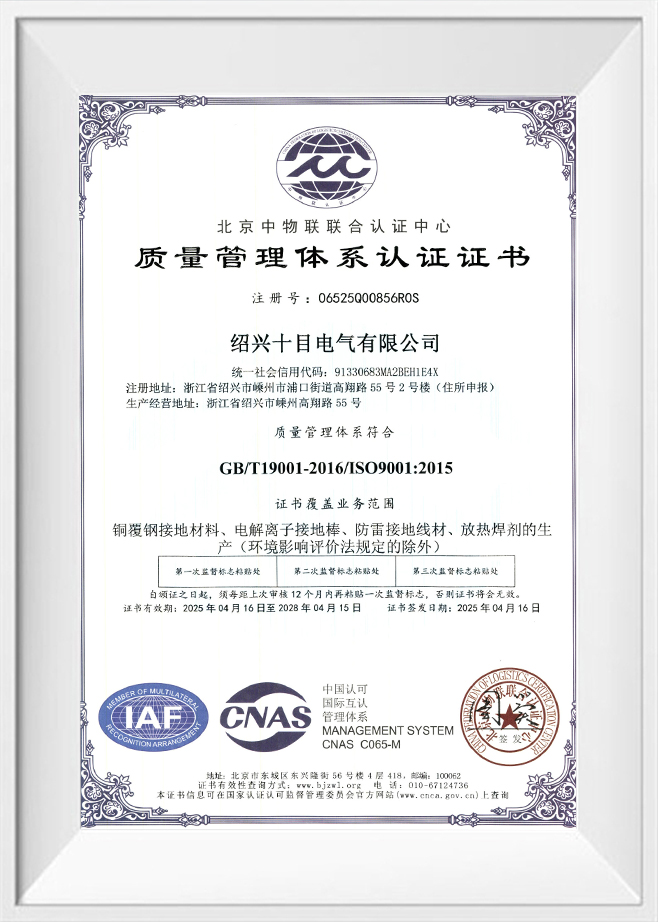
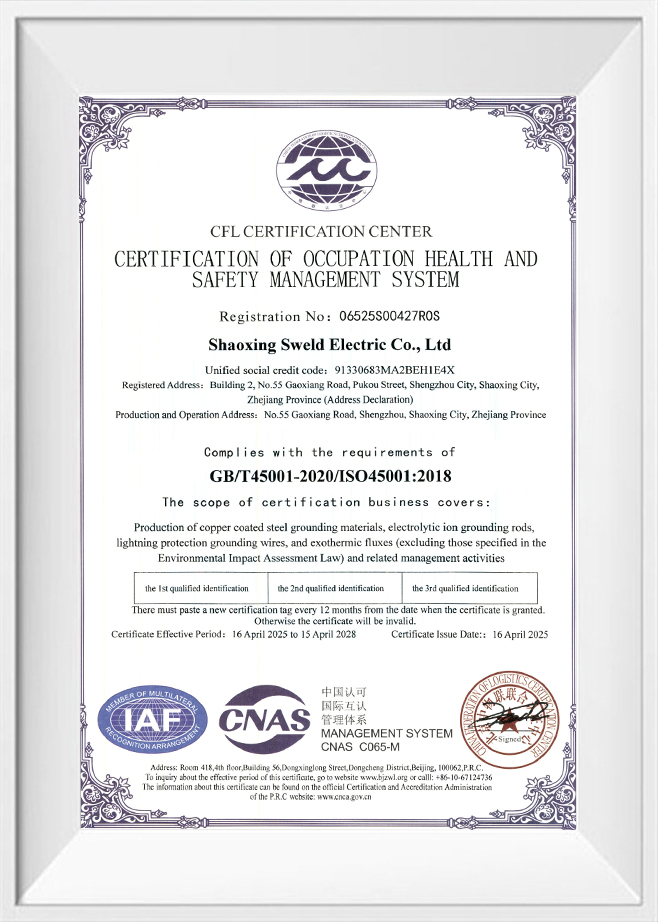
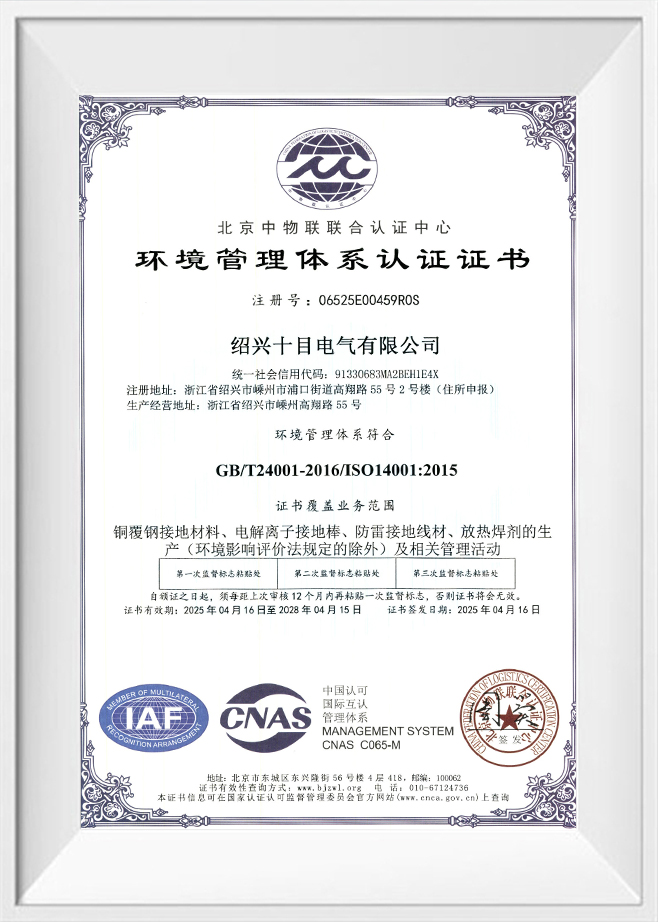
The industrial leadership of Shaoxing Sweld Electric Co., Ltd. is defined by its sophisticated vertical integration and rapid-response engineering. Operating out of a 3,000-square-meter facility in Shengzhou, the company utilizes 7 high-speed CNC machining centers to transition seamlessly from raw material processing to the creation of high-precision connection hardware. Beyond merely supplying wire, Sweld acts as a strategic partner by offering real-time design and molding services through a technical team of 50 experts, ensuring that Hard Copper Stranded Wire systems are perfectly tailored to specific site geometries. This end-to-end capability is further enhanced by their logistical expertise in handling hazardous materials; with an annual capacity of 500 tons of exothermic welding powder and the necessary dangerous package export certifications, Sweld ensures that high-performance conductors and their fusion components arrive at global project sites as a unified, lab-tested, and ready-to-install system.
How Does the Hard-Drawing Process and Stranded Geometry Optimize Electrical Conductivity and Structural Rigidity?
The performance of Hard Copper Stranded Wire is a result of both metallurgical processing and geometric configuration. By understanding how the "hard-drawn" state of the copper interacts with the "stranded" design, engineers can better deploy this material in scenarios requiring long-term reliability.
The Metallurgical Advantage of Hard-Drawn High-Purity Copper
The production of Hard Copper Stranded Wire begins with high-purity copper cathodes. Unlike annealed copper, which is heat-treated to remain soft, hard-drawn copper undergoes a cold-working process. This process increases the yield strength and hardness of the metal. From a technical perspective, this cold-working increases the density of dislocations within the crystalline structure of the copper, making it significantly more resistant to stretching and bending.
Shaoxing Sweld Electric Co., Ltd. ensures that during this drawing process, the electrical conductivity is not sacrificed for strength. While cold-working slightly increases resistivity compared to annealed copper, Sweld’s high-purity raw materials ensure that the wire maintains an extremely high conductivity rating. This allows the wire to carry massive electrical loads in substation main circuits and industrial trunk lines with minimal resistive heating, ensuring the energy efficiency of the entire electrical system.
Geometric Stability through Precision Stranding
A single solid hard copper rod of a large diameter would be nearly impossible to install due to its extreme stiffness. However, by twisting multiple strands of smaller-diameter hard-drawn wire together, the product achieves a "managed rigidity." This stranding process creates a conductor that is stiff enough to resist sagging under its own weight while still allowing for enough workability during the initial installation phase.
The precision of the twist is critical. Sweld utilizes advanced stranding machinery to ensure that the individual strands are tightly and uniformly wound. This uniformity prevents "bird-caging" or strand separation when the wire is subjected to mechanical impact or high-current surges. A tightly stranded wire also provides a more consistent cross-sectional area, which ensures that the electrical impedance is uniform throughout the length of the run, preventing hot spots and ensuring a balanced power distribution.
Resistance to Deformation and Mechanical Stress
In industrial equipment grounding and power distribution, conductors are often subjected to vibrations from heavy machinery or external impacts during facility maintenance. Hard Copper Stranded Wire is specifically chosen for these environments because of its high structural stability. Its rigid nature means that once it is secured in a tray, conduit, or along a wall, it remains in its designated position without "creeping" or deforming over time.
This mechanical resilience is further supported by Sweld's technical engineering. Their team ensures that the strand count and pitch are optimized for high-strength applications. This prevents the wire from becoming brittle, a common risk in lower-quality hard-drawn products. By balancing hardness with structural integrity, Sweld provides a conductor that acts as a reliable "backbone" for electrical systems, capable of withstanding the physical rigors of a construction site and the long-term stresses of an active power grid.
What Material and Environmental Characteristics Make Hard Copper Stranded Wire the Preferred Choice for Long-Term Fixed Installations?
Choosing the right conductor for fixed installations requires a focus on longevity, environmental resistance, and the ability to maintain performance in diverse climatic conditions. Hard Copper Stranded Wire excels in these areas due to the natural properties of copper and the structural advantages of the stranded design.
Superior Corrosion Resistance and Oxidation Stability
Copper is naturally resistant to corrosion, forming a protective patina (copper carbonate) when exposed to the atmosphere. This patina stabilizes the metal against further degradation. In the case of Hard Copper Stranded Wire, the tight stranding minimizes the internal surface area exposed to the air, which further protects the inner strands from oxidation.
For Shaoxing Sweld Electric Co., Ltd., ensuring the purity of the copper is the first line of defense against corrosion. Impurities in the copper can lead to localized galvanic cells that accelerate decay. By utilizing high-purity copper that has passed national laboratory testing, Sweld ensures that their stranded wire can be installed in humid industrial environments or coastal regions without the risk of rapid cross-sectional loss. This stability is essential for building electrical trunk lines where the conductors may be hidden behind walls or in inaccessible shafts for decades.
Thermal Management and Current-Carrying Resilience
Large-scale power systems often operate at high temperatures due to the volume of current being transmitted. Hard Copper Stranded Wire has a high thermal conductivity, allowing it to dissipate heat away from connection points and into the surrounding environment efficiently.
During a fault condition or a surge, the temperature of a conductor can spike instantaneously. The hard-drawn nature of the copper ensures that the wire maintains its mechanical strength even at elevated temperatures. Unlike softer materials that might stretch or sag when heated, Sweld’s Hard Copper Stranded Wire remains structurally stable. This prevents the wire from coming into contact with other phases or grounded surfaces during an emergency, maintaining the "safety distance" required in high-voltage installations.
Impact Resistance and External Defense
In industrial settings, electrical cables are frequently exposed to mechanical risks. Hard Copper Stranded Wire, due to its high rigidity, provides a degree of self-protection. It is less likely to be crushed or severed by accidental impact compared to softer conductors. This "built-in" durability reduces the reliance on heavy-duty armoring in certain applications, potentially lowering the overall weight and cost of the installation.
Shaoxing Sweld Electric Co., Ltd. capitalizes on this by offering a complete set of connection parts that match the hardness of the wire. When paired with Sweld’s high-strength hardware, the stranded wire creates a "robust loop" that can survive the vibrations of a power plant or the structural shifts of a high-rise building. This reliability is why the product is a staple in building electrical trunk lines and industrial main circuits.
|
Performance Characteristic |
Hard Copper Stranded Wire (Sweld) |
Soft-Drawn Copper Wire |
Aluminum Stranded Wire |
|---|---|---|---|
|
Tensile Strength |
Very High |
Low |
Moderate |
|
Structural Rigidity |
High (Deformation Resistant) |
Low (Flexible/Sags) |
Moderate |
|
Electrical Conductivity |
High (High-Purity) |
Highest |
Moderate |
|
Corrosion Resistance |
Excellent (Patina forming) |
Excellent |
Moderate (Oxidizes rapidly) |
|
Connection Stability |
Excellent (Stable contact) |
Excellent |
Poor (Cold flow/Creep) |
|
Fixed Wiring Suitability |
Optimal |
Moderate |
Poor (Requires more support) |
|
Thermal Mass |
High |
High |
Low |
|
Weight-to-Strength Ratio |
Balanced |
Low |
High |
How Does System Integration and Connection Quality Impact the Safety and Efficiency of Hard Copper Stranded Wire Networks?
An electrical conductor is only as effective as the system it inhabits, and for Hard Copper Stranded Wire, the integrity of its integration is paramount. Because this material is engineered for stability, any weakness in its connection points can undermine the safety and longevity of the entire network. The choice between mechanical compression and molecular fusion serves as the ultimate determinant of the line's electrical efficiency, structural safety, and long-term resistance to environmental stressors.
Maximizing Contact Surface for Low-Resistance Terminations
In building trunk lines and industrial circuits, the wire must be terminated at busbars, transformers, or grounding electrodes. Because Hard Copper Stranded Wire is rigid, it requires high-quality terminals that can provide a "consistent bite" on the strands.
Shaoxing Sweld Electric Co., Ltd. uses its 7 high-speed CNC machining centers to produce hardware connection parts that are specifically calibrated for the hard-drawn profile. A common issue with rigid wire is "spring-back," where the wire tries to return to its original shape after being bent into a terminal. Sweld’s connectors are designed with high-torque capabilities to overcome this, ensuring a large contact area that reduces contact resistance. Low contact resistance is vital for preventing energy loss and localized overheating at the connection points, which is a leading cause of electrical fires.
The Synergy of Exothermic Welding and Hard Stranded Wire
For permanent grounding and main circuit connections, exothermic welding is the gold standard. Shaoxing Sweld Electric is a leader in this field, with a 500-ton annual capacity for exothermic welding powder. Hard Copper Stranded Wire is an ideal candidate for this process.
When the exothermic reaction occurs, the multiple strands of the hard copper wire are molecularly fused into a single, solid mass of copper. This eliminates the "air gaps" between strands at the connection point, creating a joint that is as conductive and strong as the wire itself. Because Sweld provides both the wire and the welding materials, they ensure that the chemical composition of the welding powder is optimized for the high-purity copper of the strands. This "integrated solution" ensures that the grounding or power grid remains a single, continuous electrical entity for its entire lifespan.
Long-Term Reliability and Maintenance Reduction
In high-rise buildings and large-scale industrial plants, the cost of maintenance is often much higher than the initial cost of materials. Hard Copper Stranded Wire is designed for "install and forget" applications. Its resistance to mechanical stress, coupled with Sweld's high-quality manufacturing, ensures that the lines do not require frequent adjustment or replacement.
By passing national certification laboratory testing, Sweld provides the technical assurance that the wire will maintain its rigidity and conductivity over decades. This stability reduces the complexity of subsequent maintenance, as facility managers can trust that the main electrical trunk lines and industrial circuits are secure. In the event of a lightning strike or a system surge, the Hard Copper Stranded Wire acts as a safe and stable path for energy dissipation, protecting the building’s sensitive electronic infrastructure and ensuring the overall safety of the electrical system.