


 English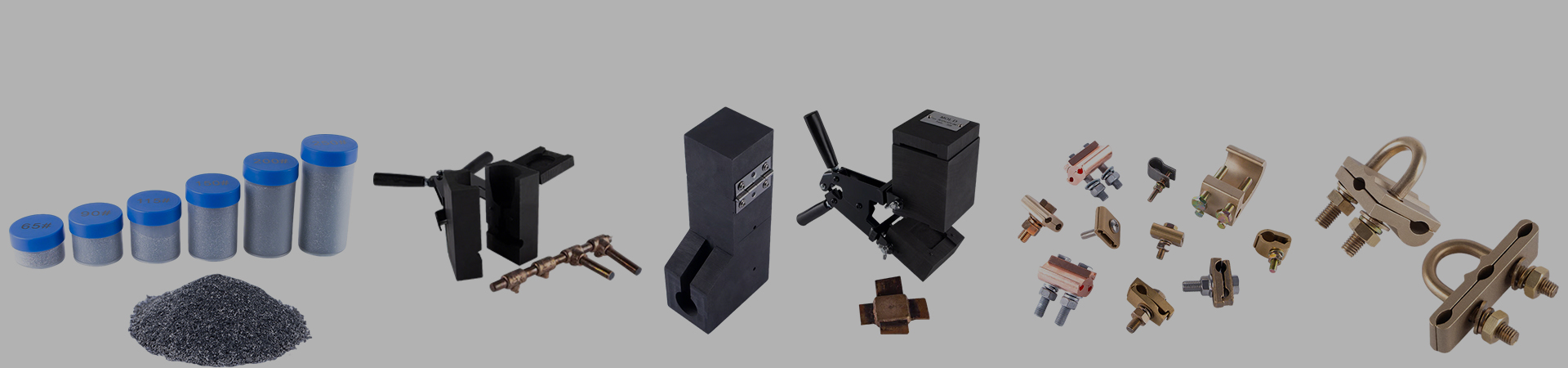
How to Optimize the Impact of Lay Length on Flexibility and Conductivity of Tin-Plated Hard Copper Stranded Wire?
The lay length of tin-plated hard copper stranded wire is one of the most critical structural parameters in stranded wire design. It refers to the axial length corresponding to one complete rotation of a single conductor along the axis of the stranded wire. It directly determines the spatial arrangement angle of the strands, the stress distribution, and the actual conductive path length of the conductor, thus affecting both mechanical flexibility and electrical performance. It is a key variable in the "structure-performance coupling."
From a mechanical perspective, when the lay length is shortened, the angle between the single wire and the axis increases. During bending, each strand can redistribute stress through micro-slippage, preventing the single wire from bearing concentrated tensile or compressive loads. This "stress dispersion mechanism" significantly improves bending life and fatigue resistance, especially suitable for high-frequency dynamic applications such as drag chain cables, robot harnesses, and automotive door harnesses. In experiments, when the lay length is reduced from 14D to 8D (D is the outer diameter of the stranded wire), the cyclic bending life can often be increased by 2 to 5 times or more. This is because a shorter lay length reduces the probability of single-point plastic deformation and microcrack initiation.
However, shortening the lay length also brings side effects on electrical performance. Due to the helical path of the strands, the actual conductive length increases, and the equivalent resistance rises. Theoretically, this can be calculated using helical geometric relationships, and the resistance increase is usually between 1% and 3%. This has little impact on low-frequency power transmission, but it may need to be considered in high-current or precision resistance control applications. In addition, an excessively short lay length will increase the number of contact points, and micro-friction between strands may cause wear of the tin plating layer, thus affecting long-term reliability.
In engineering optimization, a balance needs to be found between "flexibility requirements" and "conductive efficiency." Common empirical values are: 12–16D for fixed wiring, 10–12D for general equipment wiring harnesses, and 6–10D for highly flexible drag chain or robot motion cables. If further improvement in flexibility is needed, bunch stranding or a finer multi-strand structure can be used instead of simply shortening the lay length, which can improve bending performance without significantly increasing resistance.
Tin-Plated Hard Copper Stranded Wire: How much does the tin plating improve contact resistance and soldering performance?
The introduction of tin plating on hard copper stranded wire primarily addresses the issues of copper conductor surface oxidation and connection reliability. From a materials chemistry perspective, bare copper readily forms Cu₂O and CuO oxide films in air. These oxides have significantly higher resistivity than metallic copper, which significantly increases the interface resistance at the contact surface. This is especially problematic in low-voltage, low-current, or signal transmission applications, where it can easily lead to unstable contact and micro-heating. Tin plating, due to its stable chemical properties and slow oxidation rate, forms a SnO₂ film that still possesses good conductivity, thus maintaining a low and stable contact resistance over the long term.
Actual tests show that the initial contact resistance of bare copper crimp terminals is generally in the range of 1–5 mΩ, while tin-plated copper can reduce this to 0.5–2 mΩ, with minimal change in humid heat aging or salt spray environments. In contrast, the resistance of bare copper may increase several times or even by orders of magnitude after hundreds of hours. Therefore, in automotive wiring harnesses, grounding systems, or power connection applications, tin plating can improve contact reliability by 3–10 times or more.
In terms of soldering performance, tin belongs to the same tin-based system as commonly used solders (SnPb, SAC305, etc.), possessing natural intermetallic compatibility. The solder wets quickly, has a small wetting angle, and allows for strong soldering with almost no need for highly corrosive fluxes. Compared to bare copper, the soldering time can be reduced from 3–5 seconds to less than 1 second, resulting in more uniform solder joints and significantly reduced probability of cold joints, dry joints, and false joints. On automated soldering production lines, this means higher throughput and lower defect rates.
However, it's important to note that a thicker tin layer is not always better. Excessive thickness can lead to cracking during bending or increased costs. Typically, 1–3 μm is suitable for electronic applications, 3–5 μm for industrial applications, and over 5 μm for highly corrosive environments.
Is Tin-Plated Hard Copper Stranded Wire suitable for high-humidity/marine/chemical environments?
In high-humidity, salt spray, marine, and chemically corrosive environments, the core challenges faced by conductor materials are not only a decrease in conductivity, but also the triple problems of electrochemical corrosion, contact failure, and mechanical strength degradation under long-term service conditions. Ordinary bare copper stranded wire easily forms Cu₂O and CuO oxide films in the air. When exposed to environments containing saline water vapor, SO₂, or sulfide gases, it will also form basic copper carbonate (verdigris) or copper sulfide layers. The resistivity of these corrosion products is much higher than that of metallic copper, and their texture is loose and easily peels off, leading to a reduction in conductor cross-sectional area, increased contact resistance, and even brittle fracture of the strands. In grounding or lightning protection systems, this type of failure often directly affects system safety and transient current discharge capacity. Therefore, bare copper is usually difficult to meet the long-term reliable operation requirements of 5-10 years or more in marine or chemical environments.
Tin-Plated Hard Copper Stranded Wire significantly improves environmental corrosion resistance by forming a uniform and dense tin metal layer on the copper surface. First, tin has higher chemical stability than copper, and the resulting SnO₂ oxide film has a dense structure and good conductivity, effectively blocking the diffusion of water vapor and oxygen, thereby inhibiting further oxidation of the base copper. Secondly, from the perspective of electrochemical potential, tin has a slight "sacrificial anode effect" relative to copper, being preferentially corroded in humid electrolyte environments, thus protecting the internal copper core. In addition, the tin layer can significantly reduce the rate of sulfidation reactions, showing greater stability in sulfur-containing gas environments common in industrial areas or chemical parks. Numerous salt spray tests show that bare copper usually shows obvious corrosion spots within 24-48 hours, while tin-plated copper with a thickness of 3-5 μm or more can stably pass 96-500 hours of testing, increasing the corrosion resistance life by 3-10 times or more. This is an important reason why tin-plated copper conductors are widely used in marine engineering, power grounding systems, and outdoor infrastructure.
For grounding and lightning protection applications, in addition to corrosion resistance, connection reliability is equally crucial. The tin plating layer reduces the contact resistance of crimped and soldered connections and maintains long-term stability, preventing increased ground resistance due to oxidation, thus ensuring that lightning currents or fault currents can be quickly and efficiently discharged with low resistance. This is particularly important in grounding grids, grounding electrodes, and exothermic welding systems.
Based on practical engineering applications, manufacturing companies like Shaoxing Sweld Electric Co., Ltd., which possess comprehensive grounding and exothermic welding solutions capabilities, can better leverage the overall advantages of tin-plated copper stranded wire in harsh environments. Founded in 2018 and located in Shengzhou, Shaoxing, China, Shaoxing Sweld Electric Co., Ltd. has a production base of approximately 3000 square meters and a professional technical and sales team of over 50 people, forming an integrated product system from conductors and grounding materials to connection processes. The company not only produces conductor products such as ground wire and stranded wire, but also provides Exothermic welding powder, welding molds, grounding rods, and various electrical connectors, realizing a systematic solution of "conductor + connection + installation". Exothermic welding creates a molecular-level metallurgical bond between copper and copper, offering lower contact resistance and stronger corrosion resistance compared to mechanical crimping or bolted connections. When combined with tin-plated copper stranded wire, it further reduces the risk of contact failure, making it particularly suitable for long-term maintenance-free applications such as underground grounding grids, wind farms, photovoltaic power plants, petrochemical plants, and offshore platforms.
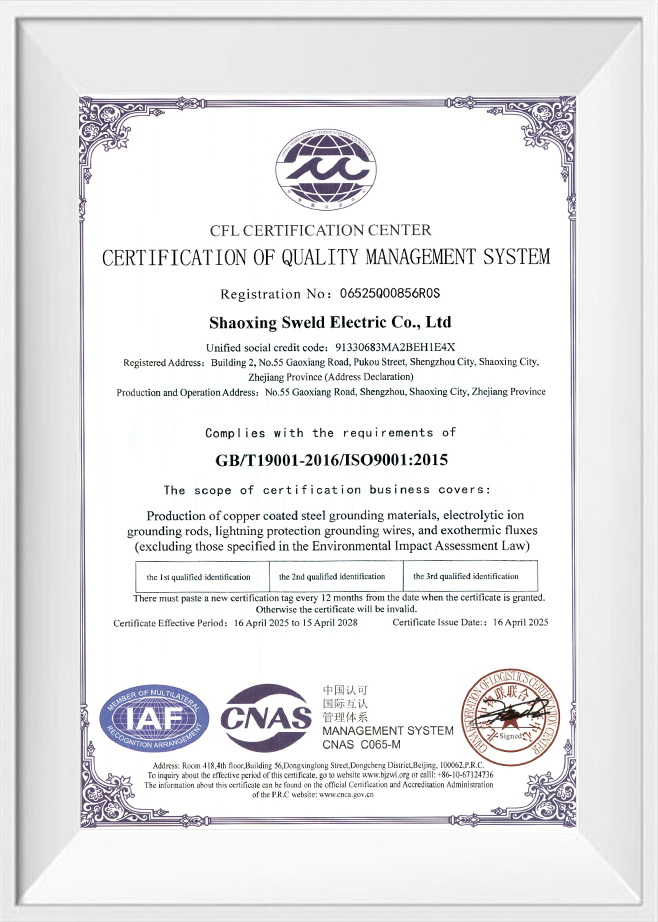
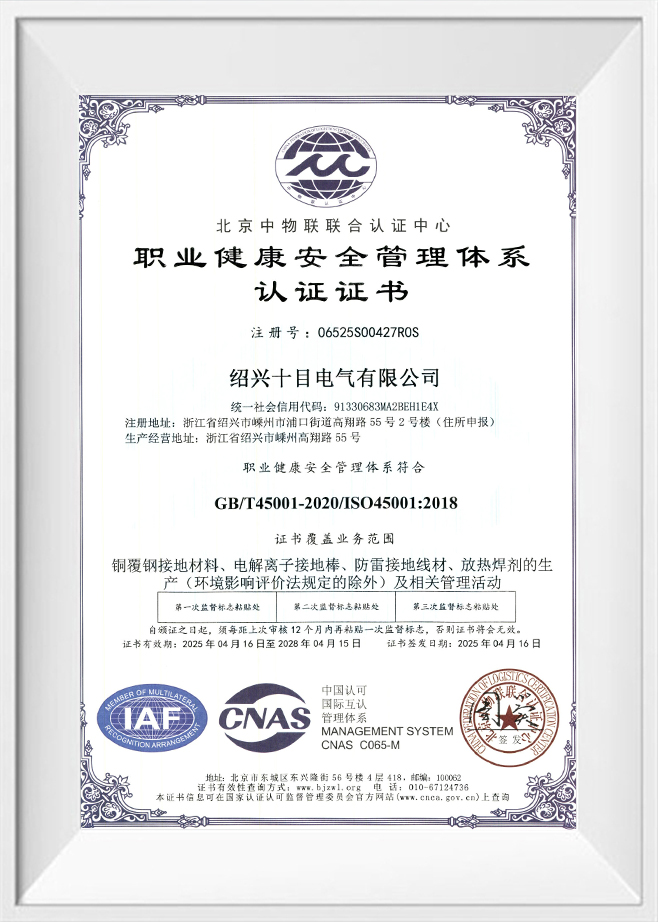
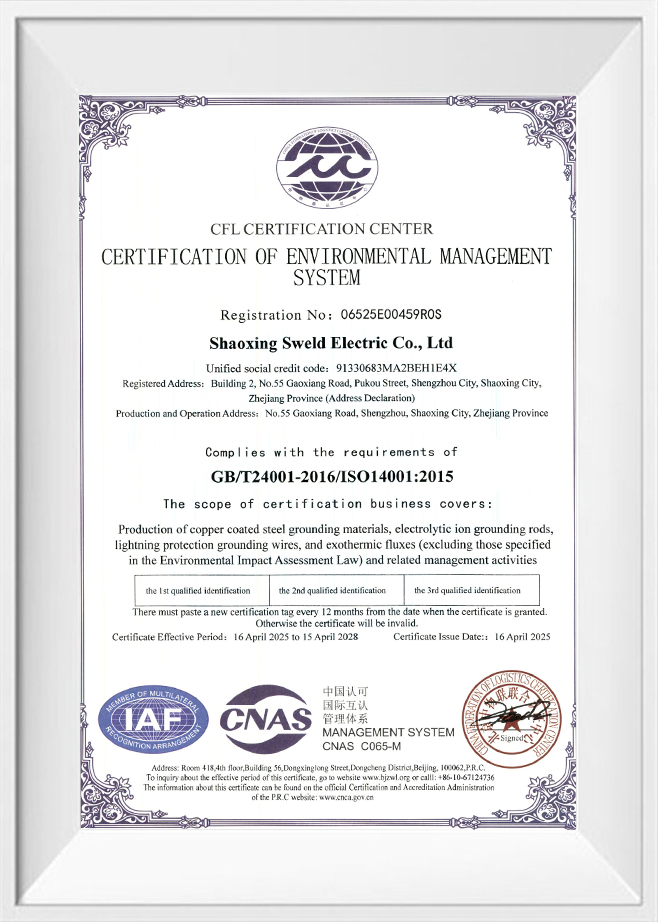
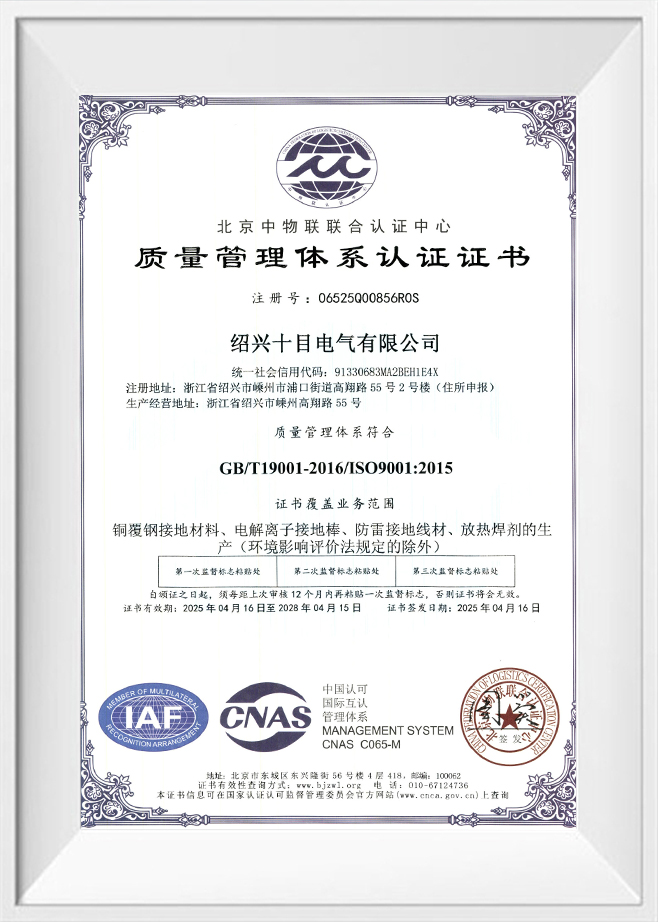
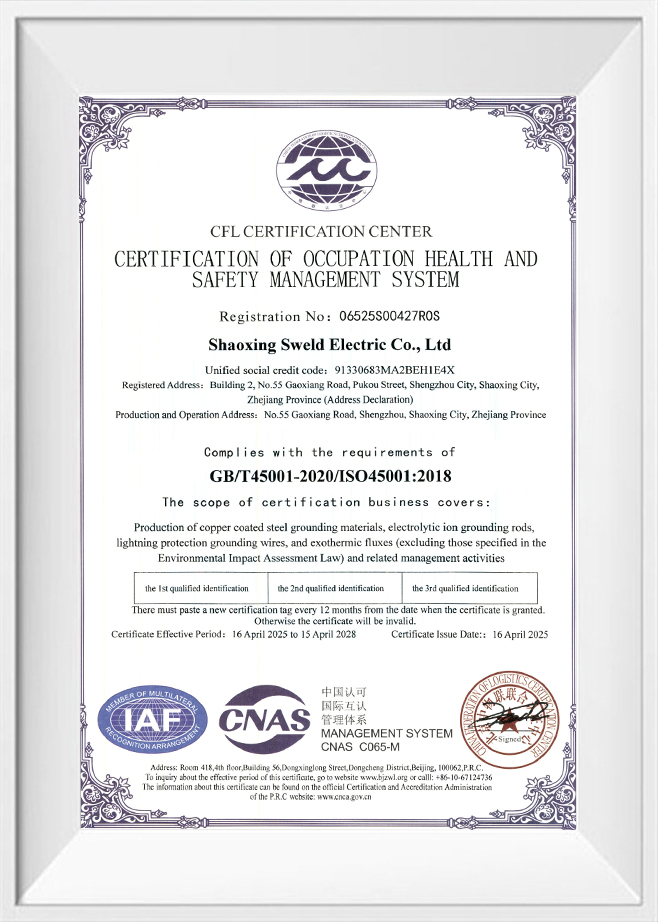
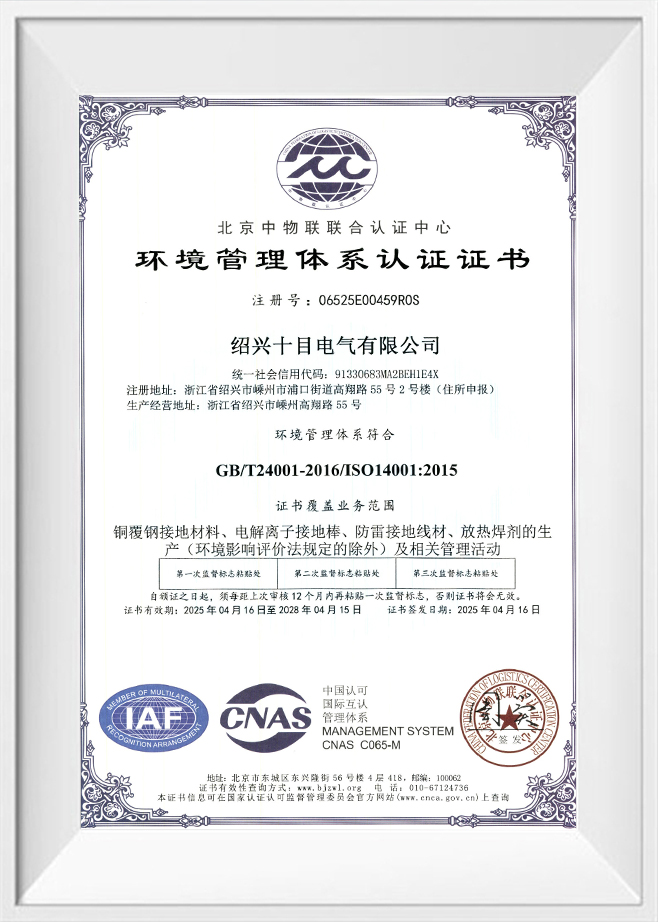
Furthermore, Shaoxing Sweld Electric Co., Ltd. has obtained ISO9001, ISO14001, and ISO45001 management system certifications, as well as hazardous materials packaging certificates, export licenses, and national laboratory testing certifications, ensuring that its products meet the requirements of engineering projects in terms of quality consistency, safety, and international compliance. Its manufacturing capacity of 500 tons of exothermic welding powder per year and multiple high-speed CNC mold processing centers also provide a stable supply guarantee for large-scale grounding projects.